


Bee Control For North East
Effective, Professional Pest Control
Targeted treatment, expert advice and ongoing prevention from professionally trained technicians. Treatment guarantees available on qualifying services where applicable – terms apply.
Qualified Technicians
All engineers are professionally trained.
Best Value Service
High quality pest control at great value.
Treatment Guarantees
Available on qualifying services – terms apply.
Bee Control
A swarm of bees on the wall or a steady stream buzzing in and out of the roofline is alarming, but bees are protected pollinators, not a pest to be wiped out.
The right response is careful identification and, wherever possible, safe relocation rather than destruction. Clear Pest Control provides bee control advice across the North East for homes and businesses, confirming what you're dealing with, assessing the risk, and recommending the safest next step, often working with a local beekeeper.
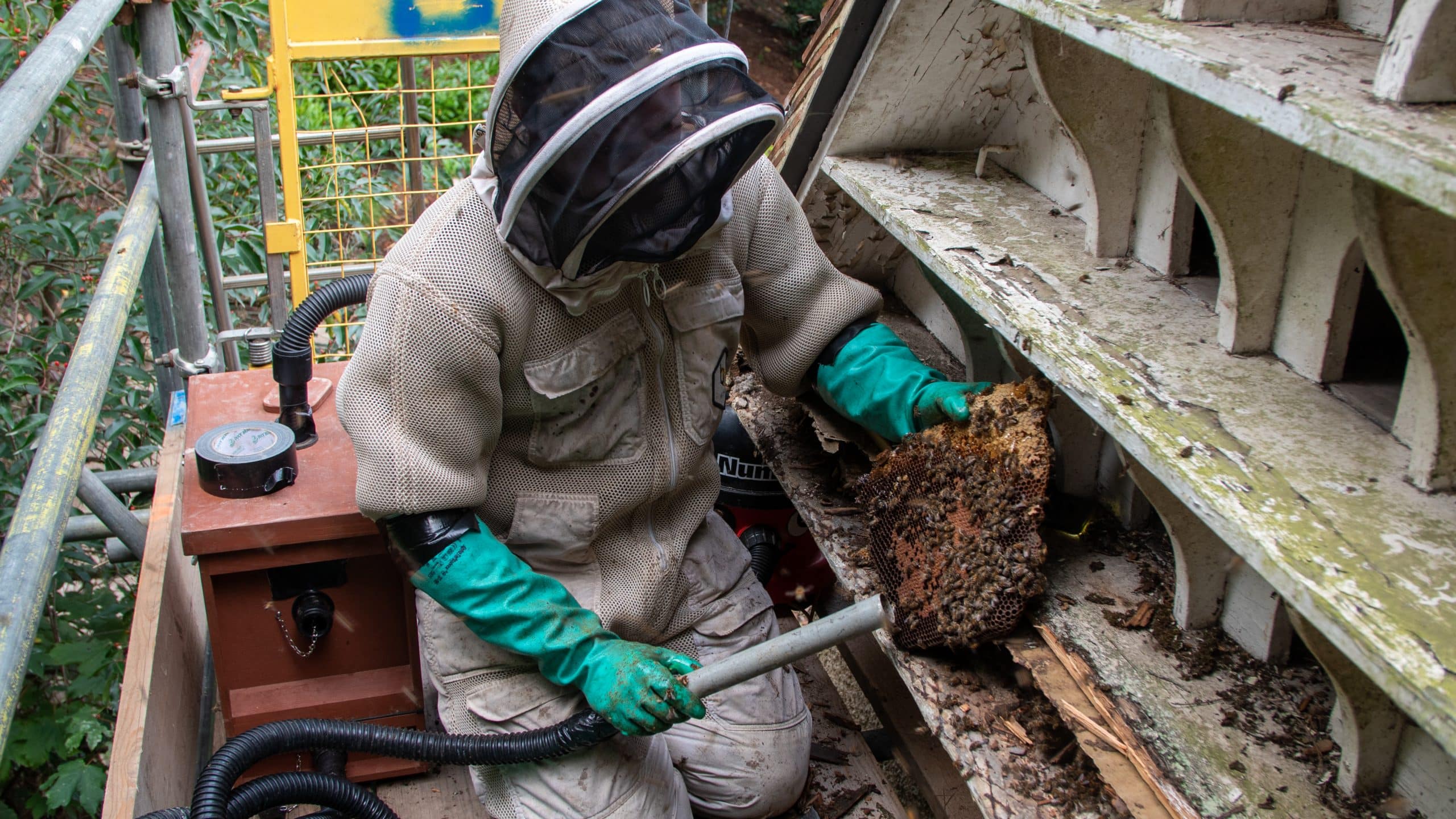
Signs You May Have a Bee Problem
Bee activity is usually easy to spot, the challenge is telling bees from wasps and finding the nest. Watch for these:
Swarms: a large cluster of bees settled on a wall, tree, fence, or structure, often temporary.
Repeated activity: bees flying in and out of the same gap, roofline, chimney, or wall cavity.
Buzzing sounds: a steady hum from walls, ceilings, chimneys, or roof spaces pointing to a hidden nest.
Nest sites: bees active around wall cavities, roof spaces, chimneys, sheds, or trees.
Want more detail? Read our guide to spotting the early signs of a bee problem.
Why Bees Choose Your Property
Bees settle where they find a safe, sheltered cavity to build a nest, often as a swarm seeking a new home. They're drawn by:
Sheltered cavities: wall voids, chimneys, and roof spaces offer dry, protected nesting room.
Warmth and quiet: undisturbed, sheltered spots make ideal long-term nest sites.
Existing access: small gaps around rooflines, air bricks, and brickwork let a swarm move in.
Old nest sites: previously used cavities can attract new swarms in following seasons.
Sealing unused cavities after relocation helps prevent future nesting.
Bee Control Advice Across the North East
Call: 0191 829 9920
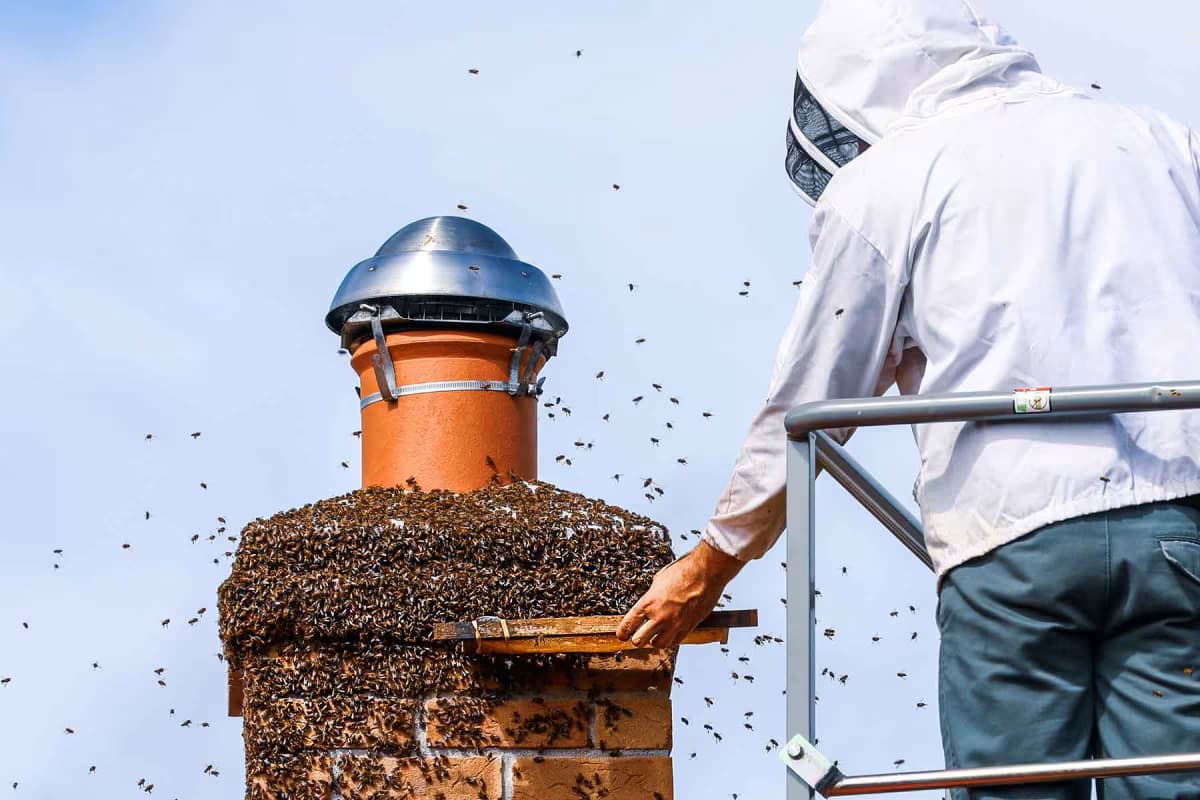
Can DIY Bee Control Work?
DIY is strongly discouraged with bees, both for your safety and because bees are valuable pollinators worth protecting.
Don't spray or block: killing or sealing in a colony is harmful, often illegal to attempt on protected species, and can make things worse.
Identify first: honey bees are usually best relocated by a beekeeper, not treated, so correct ID matters.
The catch: disturbing a nest risks stings and rarely resolves the problem, professional assessment is always the safer route.
Where Bees Nest
Bees look for dry, sheltered cavities close to open flight paths, often high up and out of sight. Common spots include:
Wall cavities: gaps in brickwork and insulated wall voids offer protected space.
Chimneys: disused chimney flues are a classic nesting spot.
Roof spaces: lofts, eaves, and soffit gaps reached through small openings.
Outdoor sites: sheds, trees, fences, and other sheltered garden structures.
Quiet, sheltered cavities with easy access are exactly where a swarm settles.
The Risks of a Bee Problem
Bees are rarely aggressive, but a nest close to people can still raise genuine concerns. Consider:
Stings: bees may defend a nest if disturbed, a real concern for anyone nearby.
Allergies: for people who are allergic, a sting can be a serious medical risk.
Access and disruption: a nest near doors, windows, or seating can limit how a space is used.
Structural nesting: established nests in cavities and chimneys can be harder to resolve over time.
When to Call a Professional
When a swarm settles, bees nest in a cavity, or activity is close to people at risk, professional advice is the safest next step. Clear Pest Control assesses the situation properly and recommends the right, responsible action.
- Identification: we confirm the type of bee, activity level, and nest location.
- Risk assessment: we check flight paths, access points, and any risk to people nearby.
- Relocation first: wherever possible, we advise safe relocation or refer a local beekeeper.
- Prevention advice: guidance on sealing unused cavities to reduce repeat nesting.
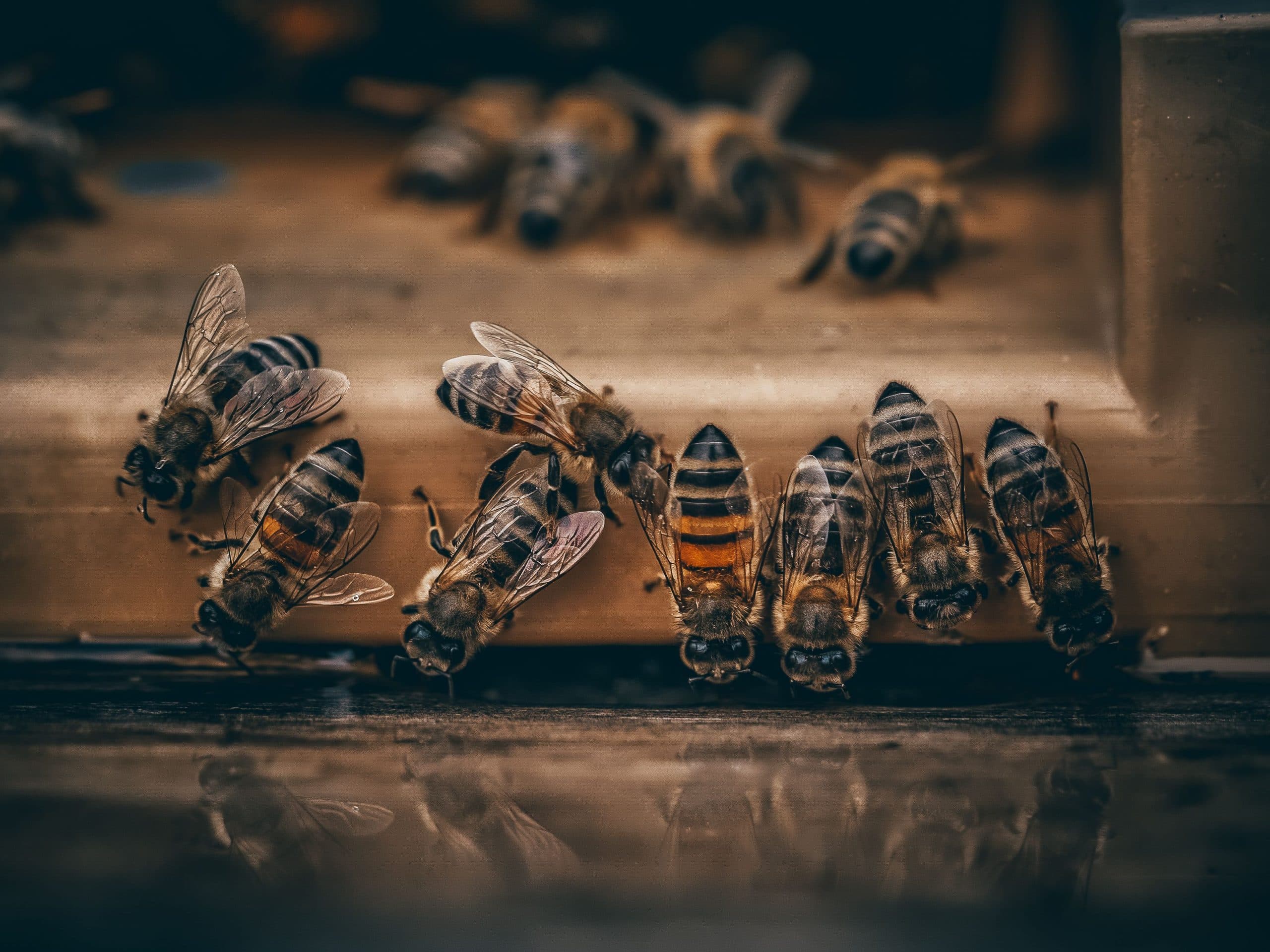
Emergency Bee Removal
0191 829 9920
Prevention After Relocation
Once bees have been safely relocated, sealing the way in is what stops it happening again.
- Seal unused cavities in walls, chimneys, and rooflines.
- Cap disused chimneys where nesting has occurred.
- Check air bricks and gaps around brickwork.
- Monitor old nest sites in following seasons.