


Mole Pest Control For North East
Effective, Professional Pest Control
Targeted treatment, expert advice and ongoing prevention from professionally trained technicians. Treatment guarantees available on qualifying services where applicable – terms apply.
Qualified Technicians
All engineers are professionally trained.
Best Value Service
High quality pest control at great value.
Treatment Guarantees
Available on qualifying services – terms apply.
Mole Pest Control
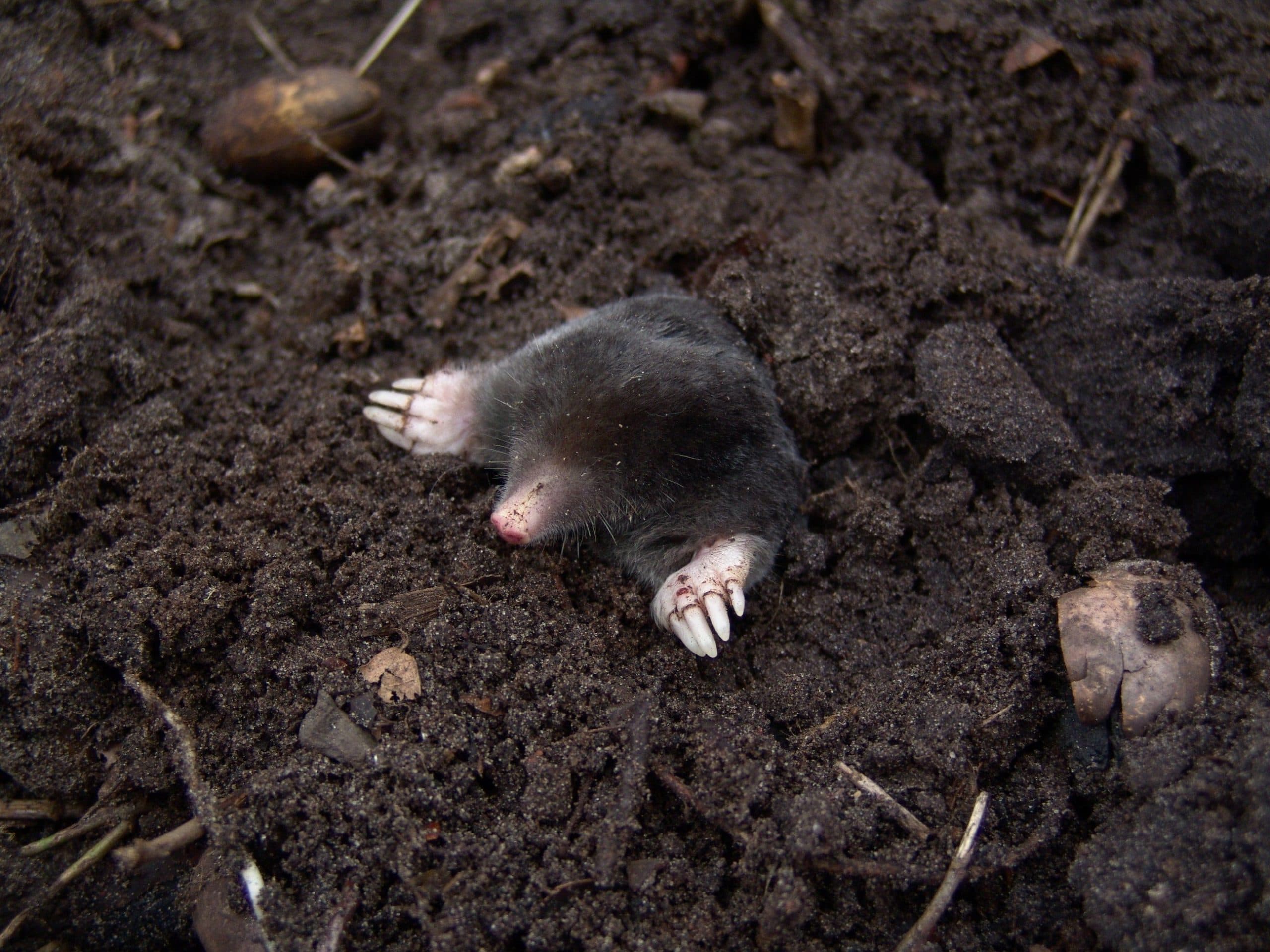
Wake up to fresh molehills scattered across the lawn and you've got a mole tunnelling below, and where there's one hill, there's usually a whole network underground.
Moles won't come indoors, but they wreck lawns, gardens, paddocks, and sports grounds, pushing up soil and undermining the surface as they dig. Clear Pest Control provides mole control across the North East for homes, landowners, and businesses, locating the active runs, dealing with the mole humanely and effectively, and protecting the ground from further damage.

Signs You May Have a Mole Problem
Moles work unseen below ground, so the damage on the surface is what gives them away. Watch for these:
Molehills: fresh piles of soil pushed up across lawns, gardens, fields, or grassed areas.
Raised tunnels: ridges or soft, spongy lines where moles are running just below the surface.
Damaged lawns: uneven grass, loose soil, and collapsed patches that make ground hard to maintain.
Repeated activity: new molehills appearing in the same area, pointing to an active tunnel system.
Want more detail? Read our guide to spotting the early signs of moles.
What Attracts Moles to Your Property
Moles aren't drawn by rubbish or shelter, they follow one thing above all: a good supply of earthworms in the soil. They favour:
Worm-rich soil: earthworms are their main food, so healthy, fertile ground is prime territory.
Soft, workable earth: loose, moist soil is easy to tunnel through and dig.
Open grassland: lawns, paddocks, borders, and fields give plenty of feeding ground.
Existing tunnels: established run systems that keep expanding as the mole feeds.
Well-watered, worm-rich lawns are exactly what draws them in.
Mole Control Across the North East
Call: 0191 829 9920

Can DIY Mole Control Work?
DIY mole control is notoriously hit-and-miss, moles are elusive, and the shop-bought options rarely deliver.
Repellents and sonic devices: may shift a mole briefly, but they usually return once the novelty wears off.
Home traps: can work in theory, but placement in the active run is the skill, and getting it wrong just fills in a tunnel.
The catch: with no toxic baits available for moles, effective control comes down to correctly locating the runs and trapping, which is where professional experience pays off.
Where Moles Tunnel
Moles dig extensive run systems wherever the soil is soft and worms are plentiful. Common areas include:
Lawns and gardens: open grass and borders with fertile, workable soil.
Paddocks and fields: grazed land and grassland rich in earthworms.
Sports grounds: pitches, greens, and playing fields with maintained turf.
Landscaped areas: commercial grounds, verges, and cultivated outdoor spaces.
Soft, worm-rich ground is exactly where a run system takes hold and grows.
The Risks of a Mole Problem
A mole won't hurt anyone, but the damage to ground and grass adds up fast. Consider:
Lawn damage: molehills and collapsed runs leave lawns uneven, patchy, and hard to mow.
Undermined ground: tunnelling loosens the surface, creating trip hazards and soft spots.
Sports and paddock risk: on pitches and paddocks, tunnels and hills are a genuine safety concern.
Spreading network: left alone, the tunnel system keeps expanding across the ground.
When to Call a Professional
When molehills keep appearing, spread across the lawn, or return after DIY attempts, professional control is the clearest next step. Clear Pest Control locates the active runs and deals with the mole properly.
- Inspection: we check molehills, tunnel routes, ground conditions, and areas of repeat activity.
- Active-run tracing: we find the working tunnels, the key to effective trapping.
- Targeted control: professional mole trapping placed and monitored correctly.
- Prevention advice: practical guidance on ground management to reduce the risk of further activity.
Emergency Mole Removal
0191 829 9920
Prevention After Treatment
Clearing a mole is only half the job, keeping ground in check helps stop new activity.
- Level and firm molehills and collapsed runs once cleared.
- Monitor the lawn for fresh hills appearing.
- Manage worm-rich ground where practical.
- Act early if new molehills return.