


Wasp Pest Control For North East
Effective, Professional Pest Control
Targeted treatment, expert advice and ongoing prevention from professionally trained technicians. Treatment guarantees available on qualifying services where applicable – terms apply.
Qualified Technicians
All engineers are professionally trained.
Best Value Service
High quality pest control at great value.
Treatment Guarantees
Available on qualifying services – terms apply.
Wasp Pest Control
A wasp or two in the garden is easy to shrug off, but a steady stream flying in and out of the roofline usually means a nest, and that changes things fast.
Wasps turn aggressive when a nest is disturbed, and the stings can be serious for anyone allergic. Clear Pest Control provides wasp treatment across the North East for homes and businesses, locating the nest, treating it safely, and reducing the risk of stings, without you having to go near it yourself.
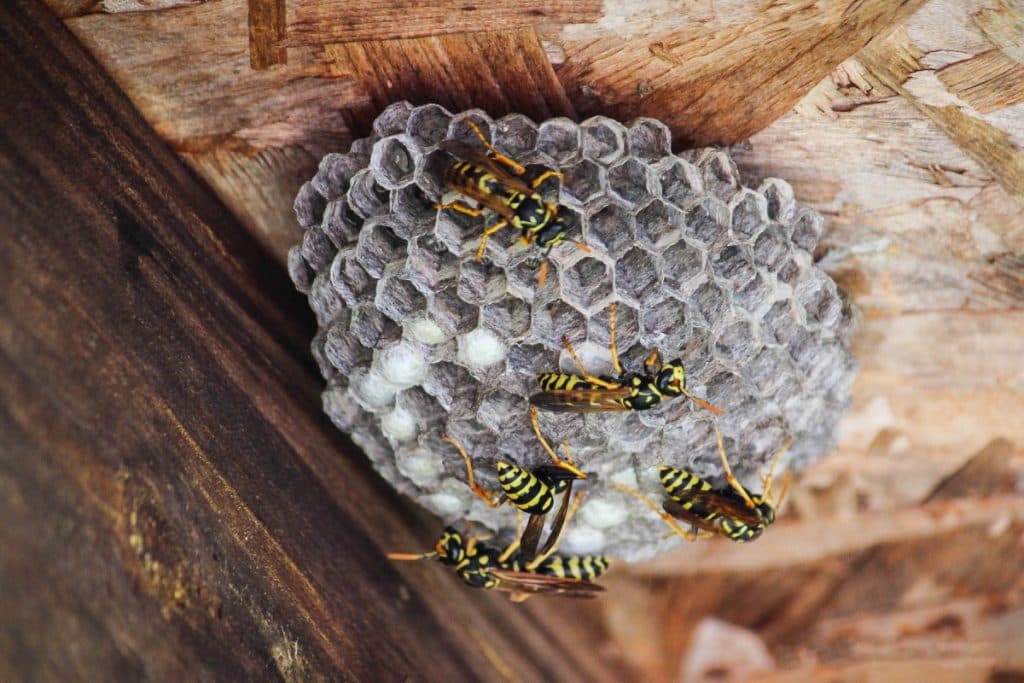
Signs You May Have a Wasp Nest
Wasps usually give a nest away through steady traffic to one spot rather than the odd visitor. Watch for these:
Repeated activity: wasps flying in and out of the same gap, roofline, shed, or wall cavity.
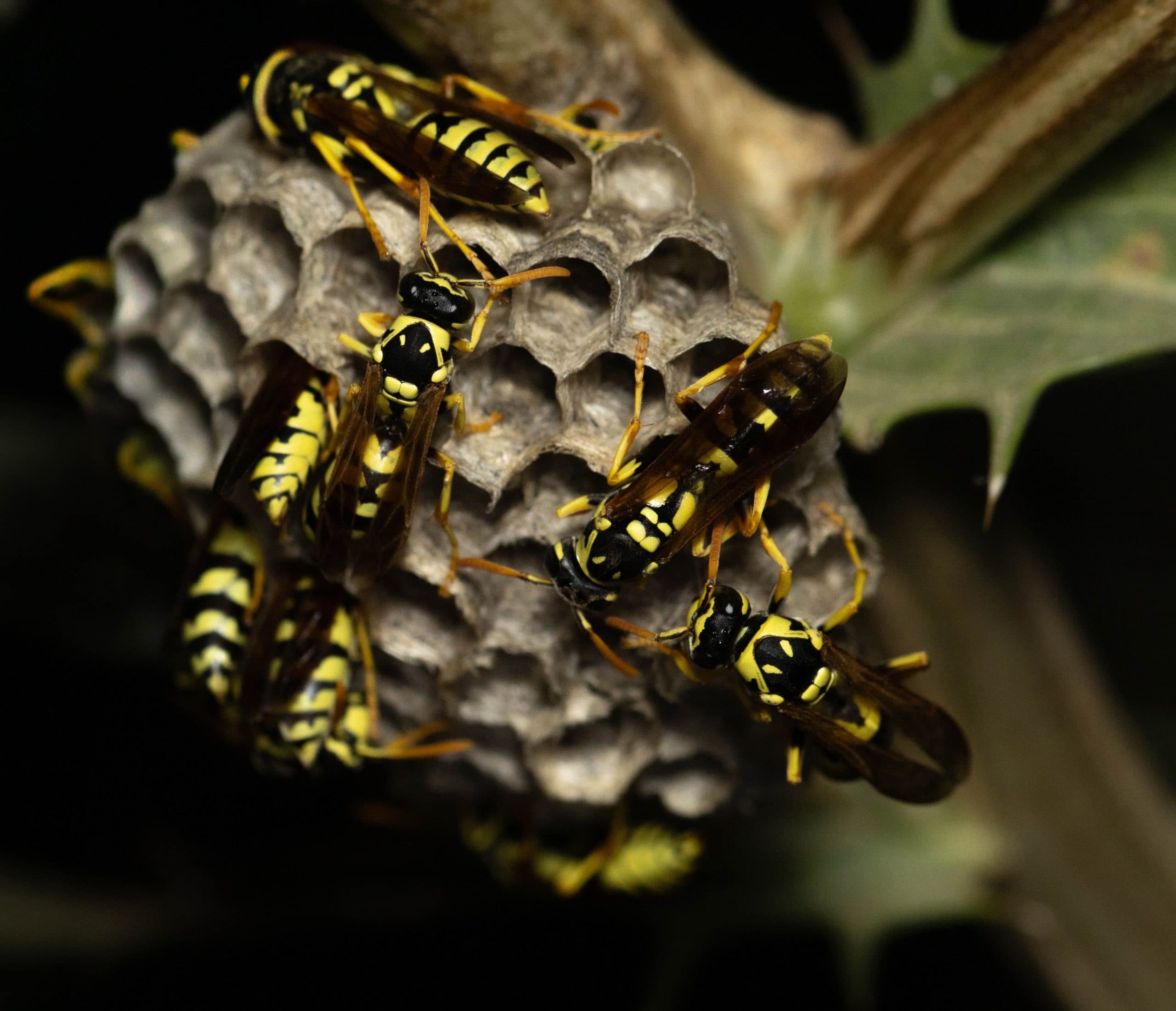
Visible nest: a papery, greyish nest in a loft, shed, garage, tree, or roof space.
Increased numbers: noticeably more wasps around windows, bins, gardens, or food areas.
Buzzing sounds: a hum from walls, ceilings, or hidden gaps pointing to a nest inside a void.
Want more detail? Read our guide to spotting the early signs of a wasp nest.
What Attracts Wasps to Your Property
Wasps look for a sheltered spot to nest in spring, then turn to sugary food as summer ends. They're drawn by:
Sheltered cavities: lofts, wall voids, sheds, and roof spaces make ideal, protected nest sites.
Easy access: gaps around soffits, fascias, and brickwork let a queen move in to build.
Sugary food: in late summer, bins, fallen fruit, sweet drinks, and outdoor eating draw them in.
Warmth and quiet: undisturbed, sheltered spaces let a nest grow through the season.
Sealing access points and managing food reduces the draw.
Wasp Nest Control Across the North East
Call: 0191 829 9920
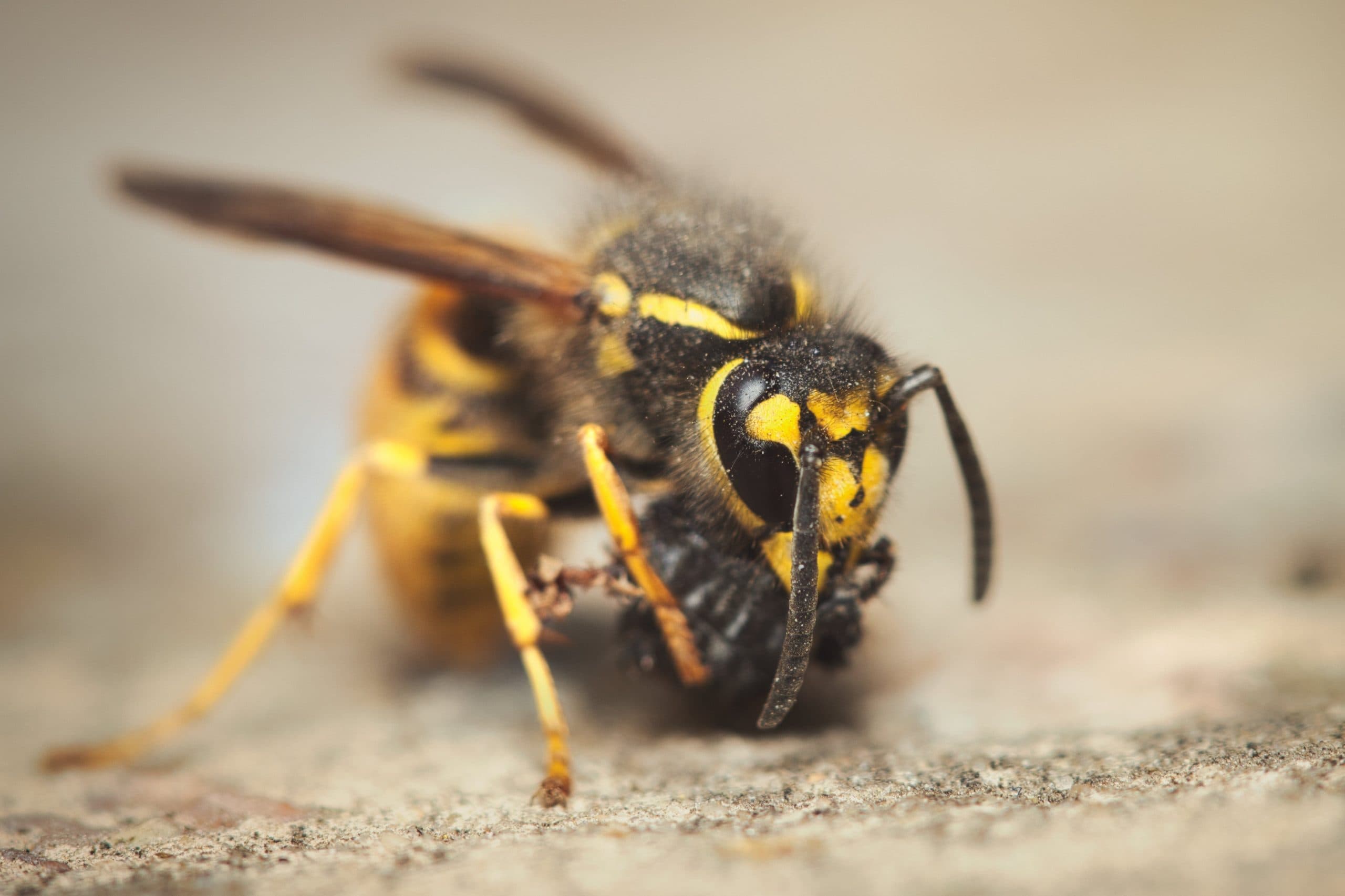
Can DIY Wasp Control Work?
DIY wasp treatment is risky, disturbing a nest is the fastest way to get stung, often many times over.
Shop-bought sprays: rarely reach the whole nest, and provoke the wasps you can see.
Blocking the entrance: trapping wasps in often makes them chew through into the property instead.
The catch: an active nest needs professional treatment with the right equipment and protection, tackling it yourself simply isn't worth the risk.
Where Wasps Nest
Wasps build in dry, sheltered spots with easy access to the outside, often out of sight until traffic gives them away. Common areas include:
Roof spaces: lofts, eaves, soffits, and fascias are classic nesting spots.
Wall cavities: gaps in brickwork and insulated voids offer protected space.
Outbuildings: sheds, garages, and outdoor structures left undisturbed.
Trees and bushes: sheltered branches and dense foliage in the garden.
Dry, sheltered voids with a clear entry are exactly where a nest goes up.
The Risks of a Wasp Nest
A wasp nest close to the house is more than a nuisance, it's a genuine safety concern. Consider:
Painful stings: wasps sting repeatedly and turn aggressive when a nest is disturbed.
Allergic reactions: for people allergic to stings, a nest nearby is a real medical risk.
Growing numbers: a nest expands fast through summer, and so does the risk around it.
Restricted spaces: a nest near doors, bins, or seating can make areas unusable.
When to Call a Professional
When there's an active nest, wasps keep streaming to one spot, or activity is near doors, bins, or people, professional treatment is the safe next step. Clear Pest Control locates and treats the nest properly, so you don't have to go near it.
- Inspection: we check wasp activity, nest location, entry points, and nearby risk areas.
- Targeted treatment: professional nest treatment carried out safely, with the right protection.
- Void checks: hidden nests in walls, lofts, and roof spaces located and treated.
- Prevention advice: guidance on sealing access points to reduce future nesting.
Emergency Wasp Removal
0191 829 9920
Prevention After Treatment
Clearing a nest is only half the job, sealing the way in helps stop it happening again.
- Seal gaps around soffits, fascias, and brickwork.
- Cover vents and roofline openings with fine mesh.
- Manage food by keeping bins closed and clearing fallen fruit.
- Check lofts and sheds early in spring for new nests.