


Woodworm Treatment For North East
Effective, Professional Pest Control
Targeted treatment, expert advice and ongoing prevention from professionally trained technicians. Treatment guarantees available on qualifying services where applicable – terms apply.
Qualified Technicians
All engineers are professionally trained.
Best Value Service
High quality pest control at great value.
Treatment Guarantees
Available on qualifying services – terms apply.
Woodworm Treatment
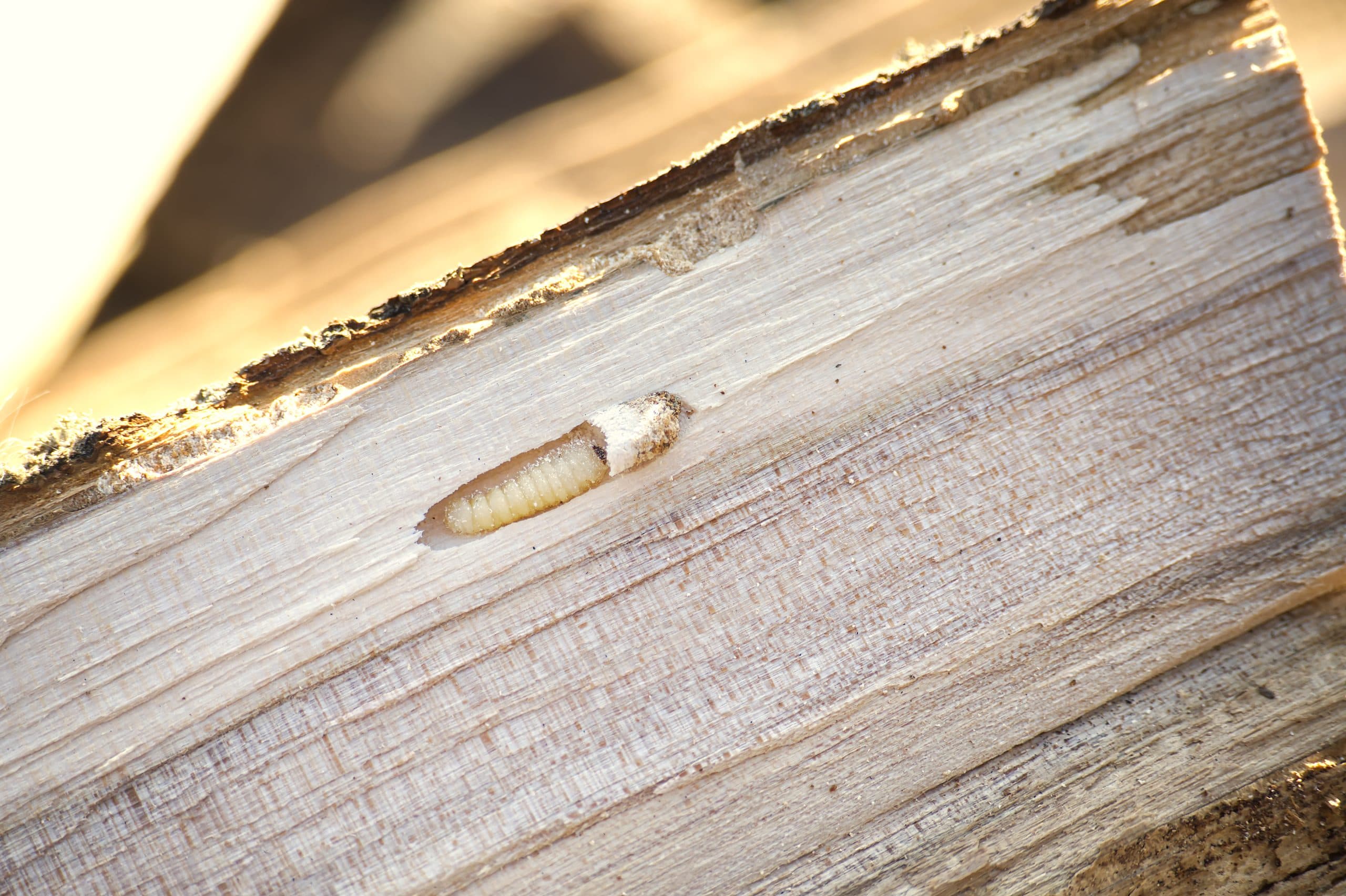
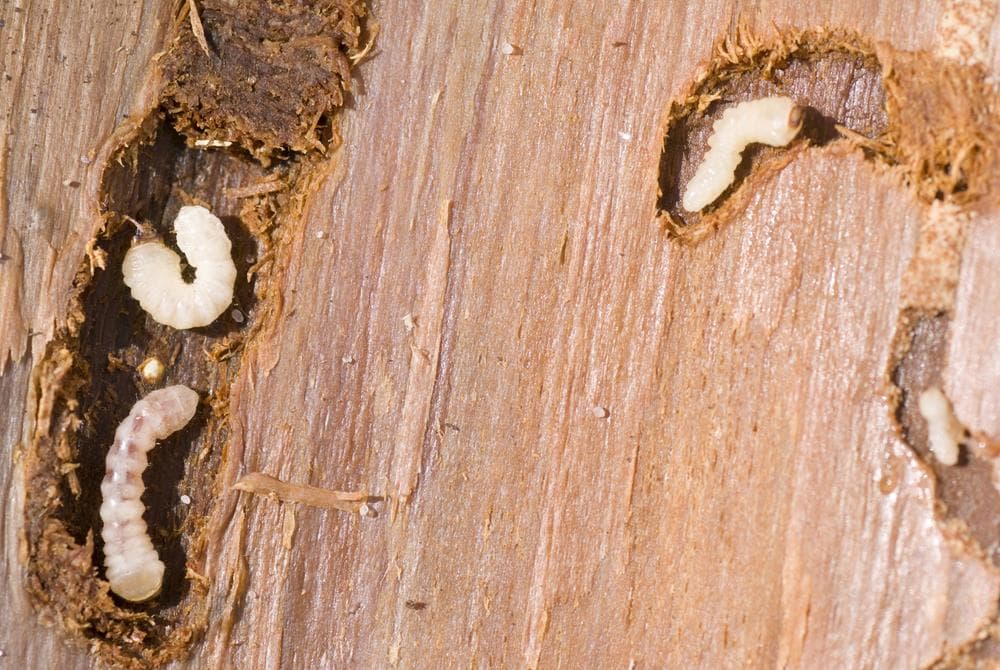
Woodworm is easy to overlook until the damage is done. The tiny holes and fine dust it leaves behind are often the first sign that beetle larvae have been quietly tunnelling through timber, sometimes for years.
Left untreated, active infestation can weaken floorboards, beams, and structural wood. Clear Pest Control provides woodworm treatment across the North East for homes, landlords, and businesses, confirming whether an infestation is active, treating affected timber properly, and protecting the wood from further damage.
Signs You May Have a Woodworm Infestation
Woodworm works out of sight, so the evidence usually shows on the timber's surface before you see a beetle. Watch for these:
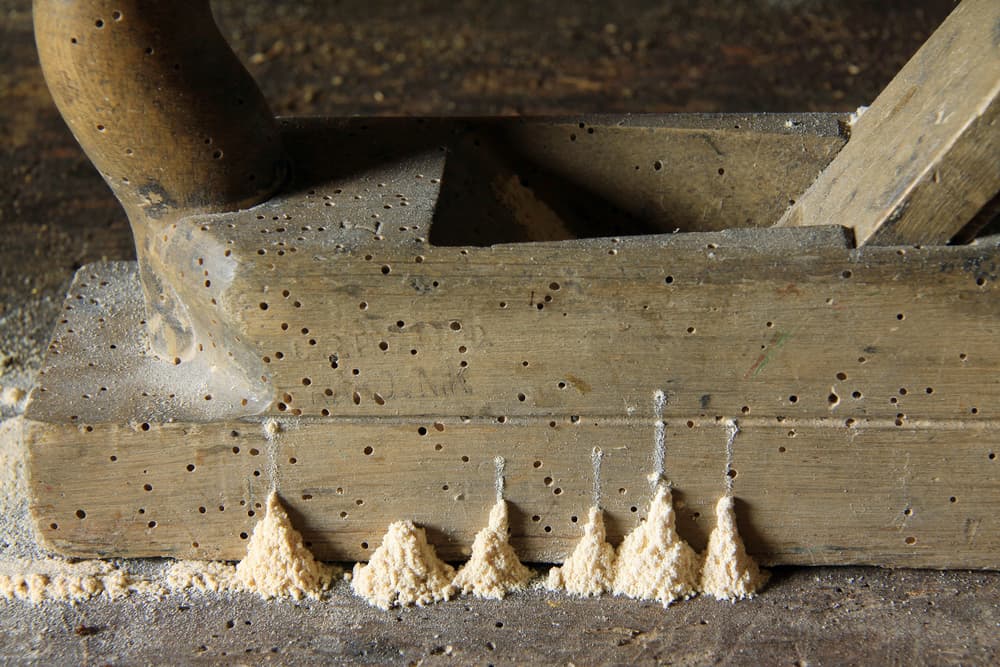
Exit holes: small round holes, around 1–2mm, where adult beetles have emerged from the wood.
Fine dust (frass): powdery, sawdust-like deposits near holes or below affected timber.
Weakened timber: wood that feels soft, crumbly, or rough, or floorboards that give underfoot.
Emerging beetles: small beetles near windowsills, lofts, or timber, often in late spring and summer.
Want more detail? Read our guide to spotting the early signs of woodworm.
What Makes Timber Vulnerable to Woodworm
Woodworm isn't drawn in like other pests, it takes hold where timber gives beetles the right conditions to lay eggs and larvae to feed. Timber is most at risk when:
It's damp: moisture softens wood and makes it far easier for larvae to tunnel through.
It's older or untreated: bare, unsealed, or historic timber offers little resistance.
It's poorly ventilated: lofts, cellars, and sub-floors with stale, humid air are prime spots.
It's already affected: an untreated infestation keeps cycling through the same timber.
Keeping wood dry and treated is the strongest protection.
Woodworm Infestation Control Across the North East
Call: 0191 829 9920
Can DIY Woodworm Treatment Work?
DIY can help with a small, surface-level problem, but woodworm often runs deeper than a shop-bought product reaches.
Off-the-shelf treatments: surface fluids can treat mild, accessible activity, but rarely penetrate deep into structural timber.
The active question: old exit holes don't mean live woodworm, and treating the wrong thing wastes time while real activity continues.
The catch: without confirming the species, extent, and any damp cause, DIY can leave an active infestation quietly working through the timber.
Where Woodworm Takes Hold
Woodworm concentrates wherever timber is bare, damp, or undisturbed, often in the parts of a property you rarely check. Common areas include:
Structural timber: floorboards, joists, roof beams, and rafters.
Hidden spaces: lofts, cellars, sub-floors, sheds, and garages with exposed wood.
Furniture and fittings: older wooden furniture, staircases, and skirting.
Brought-in wood: second-hand furniture or reclaimed timber carrying existing larvae.
Damp, poorly ventilated timber is where infestations settle and persist.
The Risks of a Woodworm Infestation
Woodworm may be small, but the damage compounds quietly and can become serious over time. Consider:
Structural damage: larvae tunnel through beams, joists, and floorboards, weakening them from within.
Weakened floors: affected floorboards and supports can become unsafe if left long enough.
Furniture loss: antique and wooden furniture can be riddled and ruined by active infestation.
Spreading activity: untreated timber lets each generation of beetles reinfest and extend the damage.
When to Call a Professional
When timber shows fresh dust, spreading holes, or signs of weakness, professional treatment is the clearest next step. Clear Pest Control assesses the full extent before treating, not just the surface you can see.
- Inspection: we check affected timber, exit holes, frass, moisture levels, and the condition of vulnerable wood.
- Active-infestation check: we confirm whether woodworm is live and which beetle is responsible.
- Targeted treatment: professional timber treatment and surface application matched to the infestation.
- Prevention advice: guidance on damp, ventilation, and timber care to stop woodworm returning.
Emergency Woodworm Treatment
0191 829 9920
Prevention After Treatment
Treating woodworm is only half the job, keeping timber dry and protected is what makes it last.
- Control damp and fix leaks near timber.
- Improve ventilation in lofts, cellars, and sub-floors.
- Check second-hand furniture and reclaimed wood before bringing it in.
- Monitor treated timber for fresh dust or new holes.