


Flea Pest Control For North East
Effective, Professional Pest Control
Targeted treatment, expert advice and ongoing prevention from professionally trained technicians. Treatment guarantees available on qualifying services where applicable – terms apply.
Qualified Technicians
All engineers are professionally trained.
Best Value Service
High quality pest control at great value.
Treatment Guarantees
Available on qualifying services – terms apply.
Flea Pest Control
A few fleas rarely stay a few for long. Once bites start appearing and activity spreads through carpets and soft furnishings, day-to-day comfort disappears fast, and a quick spray usually isn't enough.
Fleas are often blamed on pets, but the problem rarely stays on the animal. Clear Pest Control provides flea treatment across the North East for homes, landlords, tenants, and businesses, looking beyond the pet to find where activity is hiding, treating the affected areas, and reducing the risk of fleas coming back.
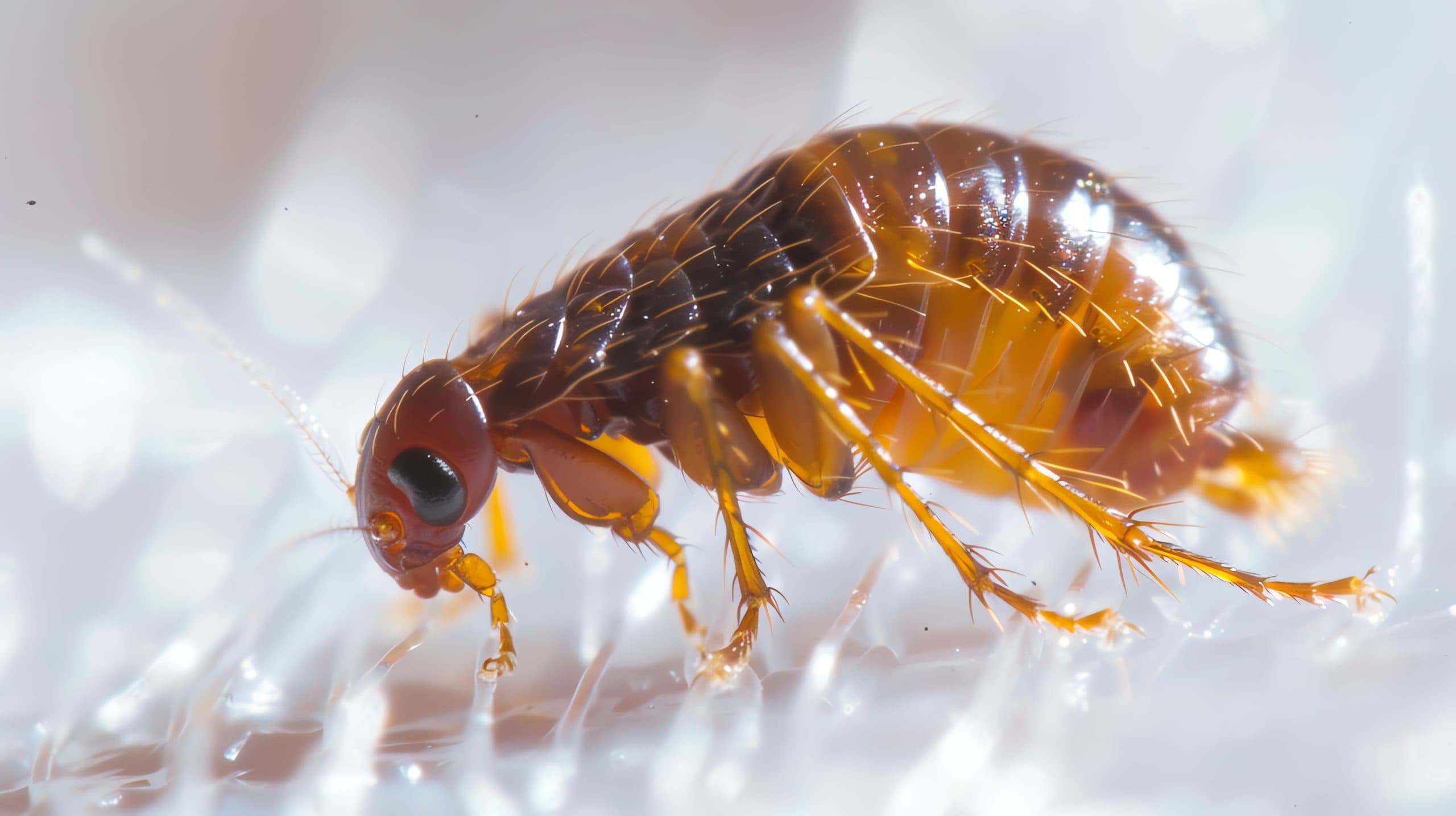
Signs You May Have a Flea Infestation
Fleas are small, fast, and easy to miss, so the clues usually build up around pets and resting areas before you spot the insects. Watch for these:
Bites: small, itchy red spots, often clustered around ankles and lower legs.
Restless pets: cats or dogs scratching, biting, or grooming far more than usual.
Flea dirt: tiny black specks (like ground pepper) in pet bedding, carpets, or on furniture.
Jumping insects: quick, dark specks springing from carpets, rugs, or soft furnishings near the floor.
Want more detail? Read our guide to spotting the early signs of fleas.
How Fleas Spread Through a Property
Fleas are carried in, not drawn in, then they settle wherever people and pets rest. They usually arrive and spread through:
Pets and wildlife: cats, dogs, visiting animals, or rodents bringing fleas indoors.
Second-hand items: used sofas, rugs, and bedding carrying eggs or larvae inside.
Previous infestations: empty rentals or furnished lets where fleas have lain dormant.
Room-to-room movement: carpets, pet beds, mattresses, floor cracks, and skirting edges letting activity survive and spread.
This is why treating only the pet often leaves the rest of the infestation untouched.
Flea Infestation Control Across the North East
Call: 0191 829 9920
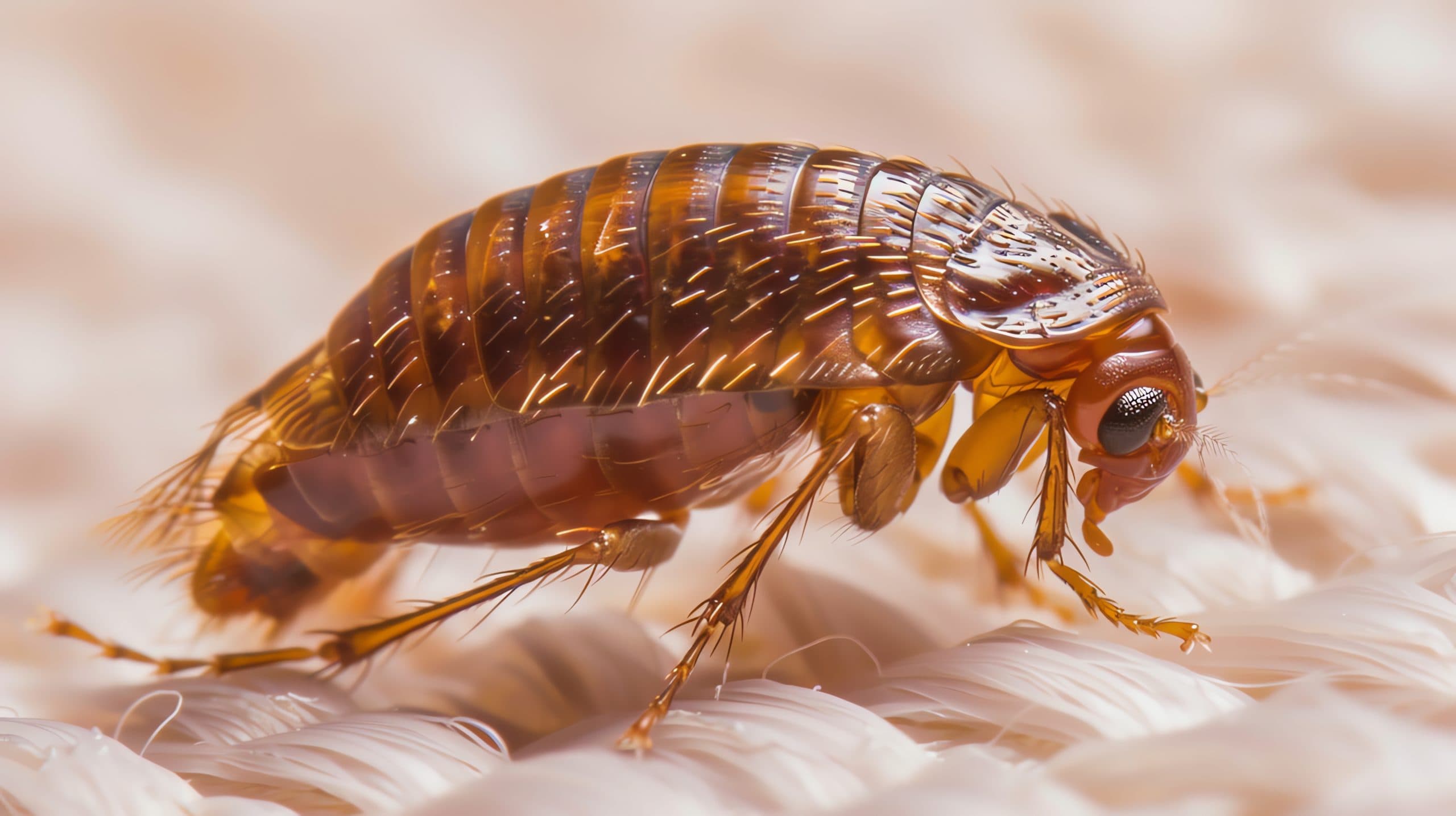
Can DIY Flea Control Work?
Caught early, DIY can genuinely help, but fleas are committed to a comeback if the lifecycle isn't broken.
Cleaning: vacuuming carpets, washing bedding hot, and emptying the vacuum straight after all reduce activity.
Pet treatment: speak to a vet about a suitable, PDSA-backed flea product for your animal.
The catch: eggs, larvae, and pupae hide deep in carpets and furniture, so DIY often falls short when activity returns or spreads.
Where Fleas Hide
The fleas you see are only part of the problem, most of the infestation sits out of sight in the flea lifecycle. Common hiding spots include:
Carpets and rugs: deep in fibres and along floor edges where eggs and larvae develop.
Soft furnishings: sofas, cushions, mattresses, and bedding used by people and pets.
Pet resting areas: beds, blankets, and the spots animals return to most.
Cracks and edges: floorboard gaps, skirting boards, and warm, undisturbed corners.
Treating only where bites happen leaves these reservoirs active.
The Risks of a Flea Infestation
Fleas won't usually make you ill, but the discomfort and disruption grow the longer they're left. Consider:
Bites and irritation: itchy, clustered bites on people and constant scratching for pets.
Skin reactions: broken skin, secondary irritation, and real distress for sensitive individuals or animals.
Rapid breeding: a few fleas quickly become many as eggs and larvae develop out of sight.
Business disruption: flea activity in a rental, salon, or hospitality space can affect customers and reputation.
Bites, jumping insects, or a scratching pet? Contact Clear Pest Control on 0191 829 9920.
When to Call a Professional
When bites keep appearing, fleas spread into more than one room, or the problem returns after treating your pet, it's time for a professional. Clear Pest Control treats the whole environment, not just the fleas you can see.
- Inspection: we check carpets, soft furnishings, floor edges, and pet resting areas to find the hotspots.
- Targeted treatment: professional insecticidal treatment applied to the places fleas breed and survive.
- Lifecycle focus: treatment aimed at eggs and larvae, not just adult fleas, to stop the cycle restarting.
- Preparation advice: clear guidance on cleaning, vacuuming, and pet care to support the treatment.
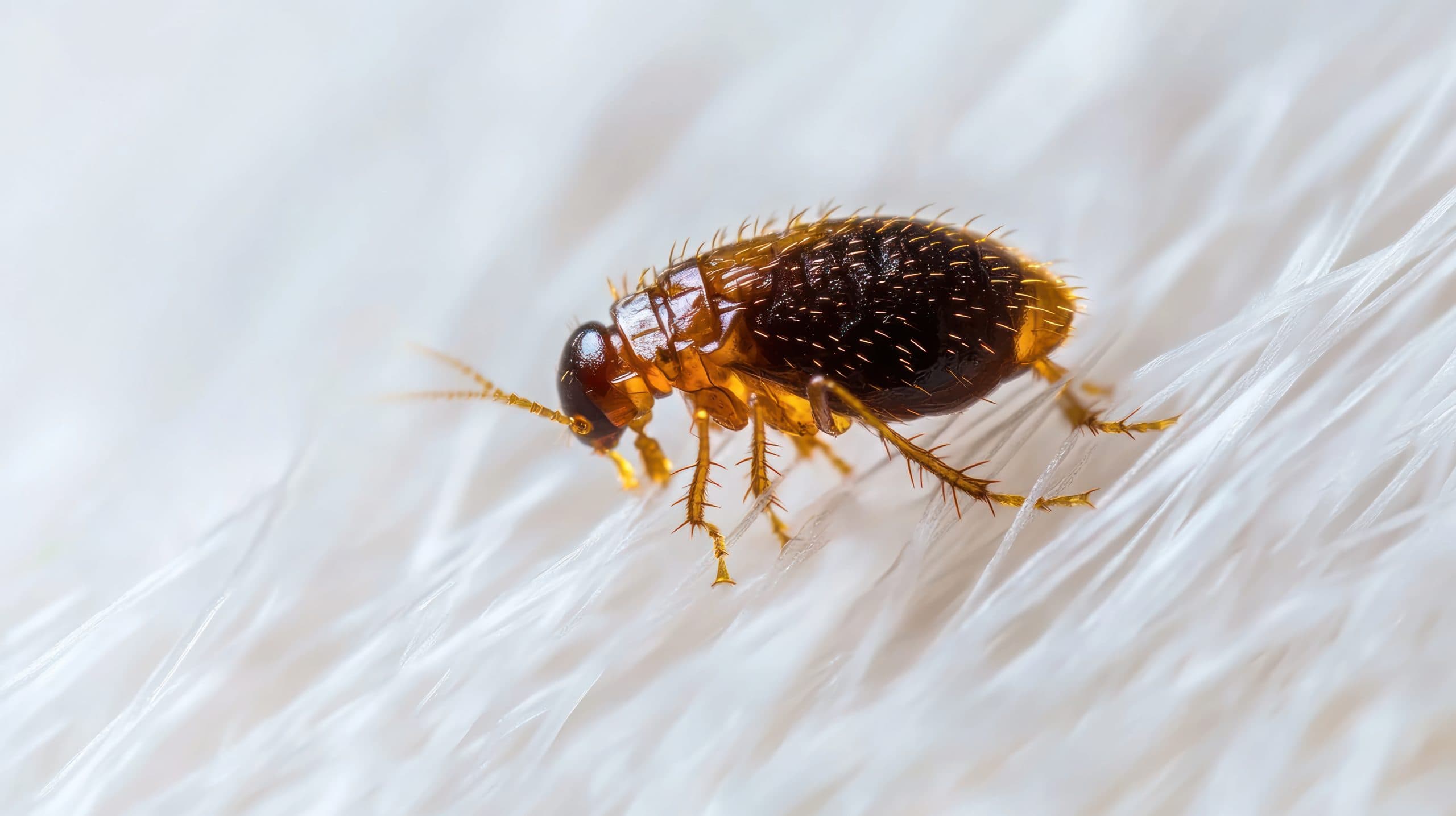
Emergency Flea Control
0191 829 9920
Prevention After Treatment
Clearing fleas is only half the job, keeping the lifecycle from restarting is what makes it last.
- Vacuum often, including carpets, rugs, and floor edges.
- Hot-wash pet bedding and soft fabrics.
- Use vet-approved flea prevention for pets.
- Check second-hand furnishings before bringing them in.