


Rat Pest Control For North East
Effective, Professional Pest Control
Targeted treatment, expert advice and ongoing prevention from professionally trained technicians. Treatment guarantees available on qualifying services where applicable – terms apply.
Qualified Technicians
All engineers are professionally trained.
Best Value Service
High quality pest control at great value.
Treatment Guarantees
Available on qualifying services – terms apply.
Professional Rat Control for Homes & Businesses
Rats in the house are enough to put anyone on edge. Scratching at night, droppings near cupboards, chewed packaging, or activity around bins all point to a problem worth dealing with quickly.
Rats are clever and persistent, quick to take advantage of food, shelter, and water. Acting early helps stop the infestation spreading and reduces the risk of further damage.
Clear Pest Control provides professional rat treatment across the North East for homes, landlords, and businesses, finding the source of the activity, treating it safely, and reducing the chances of rats returning.
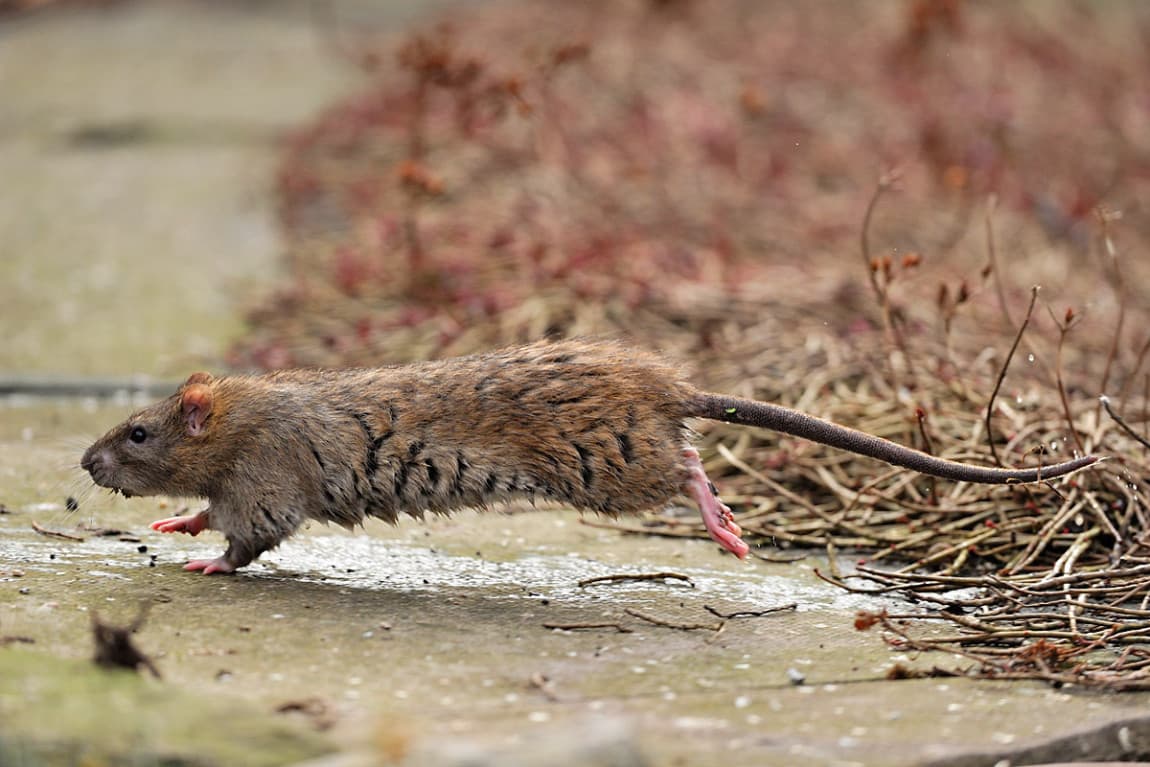
Signs You May Have a Rat Infestation
Rat activity is easy to miss at first, especially when rats move through lofts, wall voids, drains, or gardens. Common signs include:
Rat Droppings: dark, capsule-shaped, and larger than mouse droppings, often near bins, cupboards, lofts, or drains.
Scratching Sounds: thudding or scurrying in lofts, ceilings, wall voids, or under floors, usually heavier than mice.
Gnaw Marks: chewed packaging, pipework, insulation, or rough holes around access points.
Rats or Mice?: rats leave larger droppings, make heavier noises, and need bigger gaps. An inspection confirms which.
Want more detail? Read our guide to spotting the early signs of rats.
What Attracts Rats to Your Property
Rats are drawn to easy food, water, shelter, and quiet hiding places. The more a property offers, the more likely rats are to settle, breed, and keep coming back.
Food sources: overflowing bins, spilled bird feed, pet food, compost, and fallen fruit all provide easy meals close to the house or business.
Shelter and cover: garden clutter, decking, sheds, and overgrown areas give rats somewhere to hide.
Water and access: dripping outdoor taps, drains, and standing water offer both a drink and a hidden route indoors.
Reducing these makes a property far less inviting to rats.
Why homeowners and businesses choose Clear Pest Control
Call: 0191 829 9920
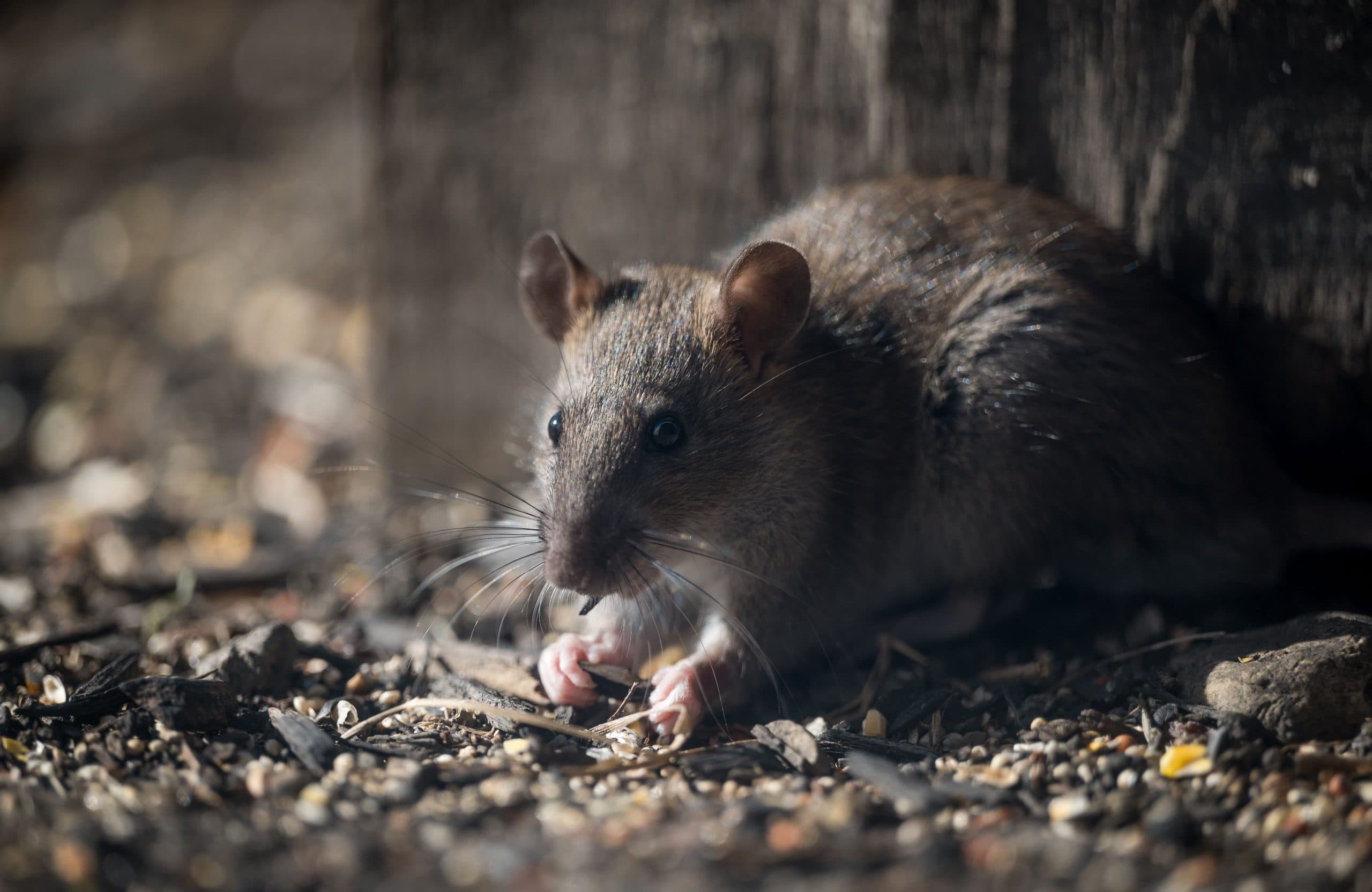
Can DIY Rat Control Work?
Traps: can help with light activity, but rats are wary of them and won't solve an infestation on their own.
Shop-bought poison: regulated products that pose real risks to children, pets, and wildlife if misused.
Repellents: securing bins and clearing food helps, but sprays rarely stop an active problem.
Where Rats Nest and How They Get In
Rats need food, water, shelter, and a quiet route they can use undisturbed, then settle close to homes and businesses. Common areas include:
Nesting spots: sheds, garages, decking, compost, wall cavities, loft insulation, drains, and overgrown gardens.
Climbing routes: rats scale pipes, cables, and rough brickwork to reach rooflines and loft spaces.
Entry points: gaps around pipes, drains, vents, and air bricks, plus cracks near ground level and damaged brickwork.
Weak spots: broken drain covers, worn door seals, hidden wall voids, and gaps linked to gardens or outbuildings.
The Risks of a Rat Infestation
Rats aren't just a nuisance, they bring real hygiene and property concerns, especially when activity is left to spread. Common risks include:
Contamination: urine, droppings, and dirt spread across surfaces, food areas, and the routes these rodents travel through.
Property damage: gnawed packaging, insulation, timber, pipes, and wiring as rats chew and nest.
Health concerns: the NHS notes leptospirosis, though rare in the UK, can spread through infected rat urine.
Business risk: contamination near kitchens, food storage, or stock can affect hygiene standards.
When to Call a Professional

Emergency Rat Removal
0191 829 9920
Prevention and Follow-Up Care
Good proofing makes a property harder to enter and less rewarding to explore, while follow-up checks confirm the problem stays gone.
- Seal and repair gaps around pipes, doors, air bricks, and brickwork, using wire mesh where needed.
- Remove food sources by securing bins and clearing spilled bird feed, pet food, and fallen fruit.
- Manage the garden by clearing clutter and cutting back climbing plants.
- Follow-up visits monitor activity, check bait, and confirm rats haven't returned after treatment.
Together, proofing and follow-up care keep the property protected long after the infestation is cleared.