An eight-legged visitor crossing the floor, appearing near the bed, or sitting in the corner of a room can make you pause for one obvious reason: is it harmless, venomous, poisonous, or dangerous? Most house spiders in the UK are not a serious threat, but knowing what you have seen can make the difference between unnecessary panic and taking the right next step.
For homeowners in Northumberland, spider sightings often become more noticeable when the seasons change, especially in quiet corners, bedrooms, bathrooms, sheds, lofts, and storage areas. Some spiders are simply passing through, while others may stay where there is shelter, warmth, or enough insects to feed on.
This guide by Clear Pest Control explains common species, bedroom concerns, venom myths, and simple ways to reduce spider activity around the home.
Venomous and Poisonous Spiders in the UK

Image by @Rino Adamo
Spider fear is often made worse by confusing headlines. In reality, most UK spiders are not a serious threat to people, but it is still useful to understand the difference between nuisance, bite risk, and genuine medical concern.
Venomous, Not Poisonous
It is common to hear people talk about poisonous UK species, but the more accurate word is venomous. A poisonous creature causes harm when it is touched, eaten, or absorbed. A venomous creature uses venom through a bite or sting.
These arachnids fall into the venomous category because they use venom to catch prey. That does not mean they are a serious danger to people. In fact, most common house spiders in the UK are not aggressive, and many cannot bite through human skin in any meaningful way.
So, when people worry about venomous spiders UK? the real question is not whether spiders have venom at all. The better question is whether the species in your home can bite, whether the bite is likely, and whether it could cause more than mild irritation. For most common indoor species, the risk is low.
False Widow Concerns
The British Arachnological Society says Britain has around 680 species, only a handful can nip through human skin, and the noble false widow is the only one whose bite can be of medical significance. That makes it worth identifying correctly, but not worth panicking over every one seen indoors.
The same organisation also notes in its false widow guidance that spiders are often blamed for puncture wounds where the culprit is rarely identified, and that the chance of being bitten is very low.
Common House Spiders Found in UK Homes
Not every spider indoors is the same species, but some are much more likely to be seen around homes, sheds, garages, lofts, and quiet corners. Understanding the common types makes it easier to stay calm when one suddenly appears from behind the sofa.
Giant House Spider
The giant house spiders is one of the most familiar ones seen indoors. It is usually large, brown, fast-moving, and more noticeable when it crosses open floors or appears in baths, corners, and storage spaces.
According to The Wildlife Trusts, the giant house spider is a large brown spider that spins sheet-like webs and often appears in dark corners of houses, particularly in autumn. The same source also notes that it is one of the UK’s fastest invertebrates, which explains why it can look more alarming than it really is when it runs across a room.
Common House Spider
The phrase house spiders UK often refers to the group of larger brown spiders commonly found around homes. The Natural History Museum says six spider species are commonly found in homes, belonging to the closely related Tegenaria and Eratigena groups. These are the ones people often spot in baths or dashing across living room floors.
They may look sudden, but many have been nearby for longer than you think. They often stay tucked away until a male starts wandering in search of a mate.
Cellar Spiders and Smaller Visitors
Not every indoor spider is large and dramatic. Tiny spiders in house areas may be young specimens, smaller species, or visitors that have come in from sheds, windows, plants, or nearby storage areas.
Cellar spiders, for example, are often long-legged and delicate-looking, while other small species may gather near window frames, corners, clutter, or areas where tiny insects are available as food. One or two individuals is usually not a problem, butrepeated numbers in the same places can suggest sheltered corners, egg sacs, or plenty of insect prey nearby.
Seasonal Spider Activity Indoors

Image by @Julia Filirovska
When do spiders come in the house?
Sightings often increase in late summer and autumn, especially when male house spiders leave their webs to search for females. The Natural History Museum says house spiders are usually seen in autumn for this reason and may enter homes through open windows, chimneys, or gaps beneath doors.
Why are there so many spiders in my house?
In many cases, there are not suddenly more of them than before; they are simply more visible. The Scottish Wildlife Trust explains that it is a common misconception that spiders come indoors mainly for warmth, and that house spiders are often more noticeable in autumn because it is mating season.
This is why a home can feel quiet for months and then suddenly notice activity in hallways in hallways, bathrooms, bedrooms, and living rooms. The activity may look like an invasion, but much of it is seasonal movement.
Spiders in Bedrooms, Beds, and Hidden Corners
These pests prefer quiet, sheltered places where they can avoid disturbance and find insects to eat. Bedrooms can provide those conditions, especially around corners, wardrobes, under beds, storage boxes, window frames, and rarely moved furniture.
Bedroom Corners
A spider in the bedroom is usually not interested in people. It is more likely following shelter, insects, warmth from the room, or a quiet place to hide. Regular webs in corners, behind furniture, or near windows can suggest they are finding enough prey to stay.
Vacuuming webs, reducing clutter, and moving storage away from walls can help make the room less comfortable for them.
Spiders in Bed
Finding spiders in bed is unpleasant, but it is not usually where they want to live. Beds are exposed, disturbed, and not ideal web-building sites. If a spider ends up there, it is often passing through, disturbed from nearby bedding folds, storage, clothing, or a corner close to the bed.
If it happens repeatedly, check the nearby skirting boards, corners, curtains, bedside furniture, and storage under the bed. The problem may not be the bed itself, but the quiet spaces around it.
Tiny Spiders Indoors
Tiny spiders in house spaces can appear when young hatchlings disperse or when small species find sheltered places indoors. You might notice them near windows, ceiling corners, loft spaces, plants, or lightly used rooms.
Small species are usually harmless, but if there are many at once, look for egg sacs, webs, cluttered corners, or indoor insects that may be attracting them.
Northumberland Homes and Spider Activity
Spider sightings in Northumberland can vary depending on the property. Coastal homes, countryside houses, older stone properties, terraced streets, garages, sheds, lofts, and homes near gardens or fields can all provide the quiet, sheltered corners they favour.
In places from the north east region of England such as Morpeth, Ashington, and Blyth, activity may be noticed around windows, storage areas, conservatories, lofts, and garden-facing rooms. One sightingindoors is usually nothing to worry about, but repeated sightings in bedrooms, beds, or the same hidden corners can become frustrating.
Someone searching for spider pest control near me in Blyth, Cramlington, or Hexham is usually dealing with activity that feels persistent rather than one harmless visitor. At that point, the next step is often to understand what species is present, why it is there, and whether another insect issue is attracting them indoors.
Simple Ways to Reduce Spider Sightings

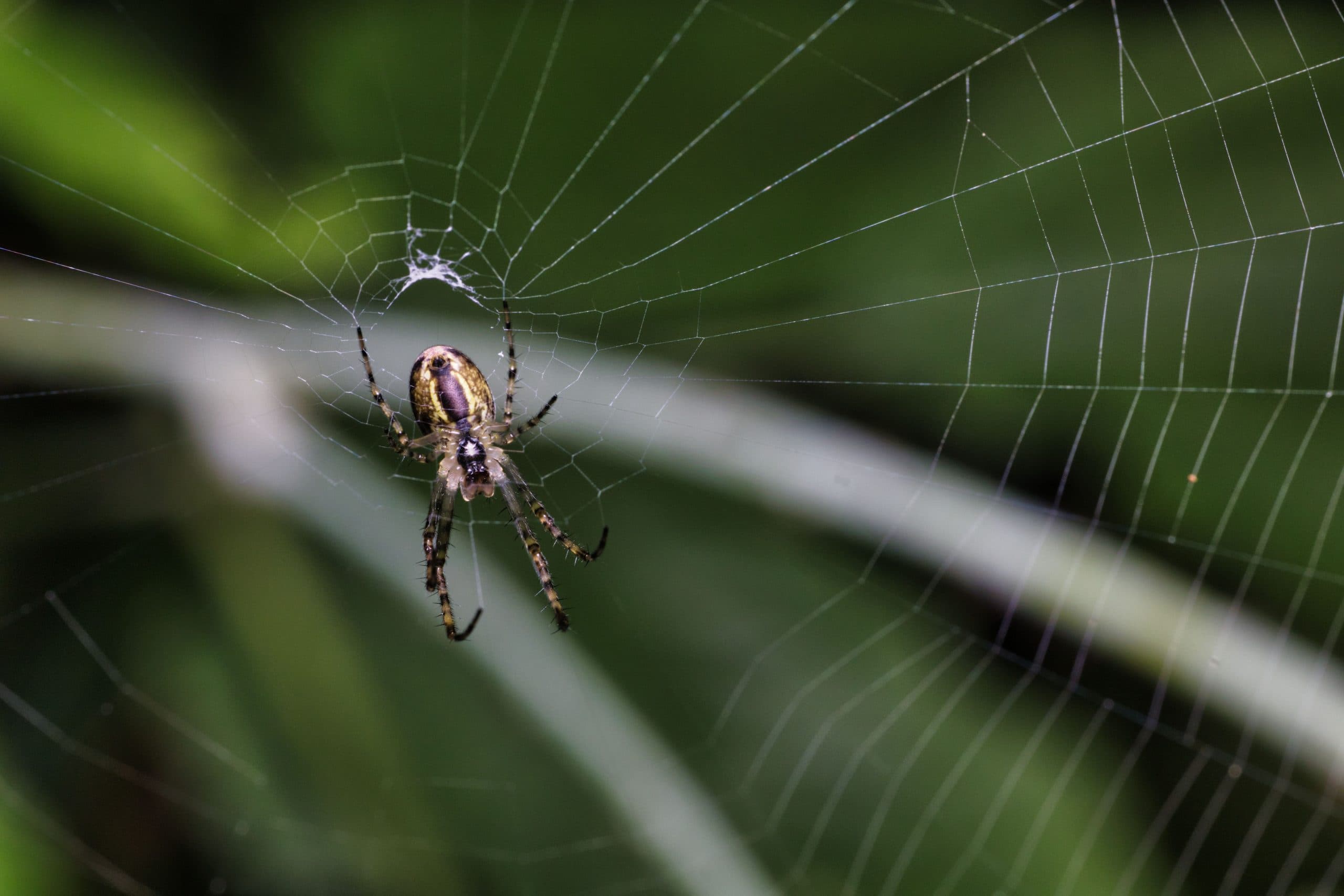
Image by @Erik Karits
These arachnids are useful because they feed on other insects. Still, it is understandable to want fewer of them indoors, especially in bedrooms, bathrooms, and living spaces. Concerns about poisonous UK spiders often make people more nervous, but in most homes the issue is usually repeated sightings, webs, and activity in quiet corners rather than a serious danger.
Simple steps that may help include:
- Seal obvious gaps around doors, windows, vents, and pipe entries.
- Reduce clutter in corners, under beds, lofts, garages, and sheds.
- Vacuum webs and egg sacs carefully, especially in quiet corners.
- Move storage away from walls to provide fewer undisturbed hiding places.
- Keep bedding and floor areas tidy, especially if spiders have been seen near the bed.
- Limit indoor insects, because these pests follow available food sources.
- Use door brushes or seals where gaps beneath external doors are obvious.
- Check window frames and conservatories during late summer and autumn.
The aim is not to remove every arachnid from the natural world. It is to make the indoor spaces you use every day less attractive and less easy for spiders to settle in.
When Spider Activity Becomes a Problem
Most house spiders are harmless visitors, and many sightings are seasonal. A spider crossing the floor in autumn is usually not a reason for alarm.
Spider activity becomes more of a problem when sightings feel excessive, webs and egg sacs keep returning, spiders repeatedly appear in bedrooms or beds, or someone in the home has severe anxiety around them. It may also be worth getting advice if you are worried about false widows or cannot identify the spiders you are seeing.
For Northumberland homes, a local inspection can help confirm whether the issue is ordinary seasonal activity, a specific spider species, or another insect problem that is attracting spiders indoors. This keeps the response practical rather than overreacting to one sighting.
If spiders keep appearing in bedrooms, beds, corners, or storage areas, contact Clear Pest Control for pest control in Northumberland. We can inspect the activity, help identify what you are dealing with, and advise on the most practical way to reduce spider problems inside your home.
FAQs About House Spiders in the UK
Why are there so many spiders in my house?
Why are there so many spiders in my house? In many cases, spiders are more visible during late summer and autumn because males are moving around to find females. Indoor insects, cluttered corners, open gaps, and quiet storage areas can also make a home more attractive.
When do spiders come in the house?
When do spiders come in the house? Many sightings increase in autumn, especially when male house spiders leave their webs and move around more. Open windows, gaps under doors, chimneys, and small cracks can all give them access.
Are house spiders dangerous?
Most house spiders are not dangerous. They may look alarming because they move quickly, but common indoor species are usually more interested in hiding or finding a mate than going near people.
Are there venomous spiders in the UK?
There are venomous spiders UK species in the technical sense because spiders use venom to subdue prey. However, very few UK spiders can bite through human skin, and medically significant bites are rare.
Are there poisonous UK spiders?
The phrase poisonous UK spiders is common, but “venomous” is more accurate. Spiders are not poisonous to touch; they use venom through bites, and most UK species are not a serious risk to people.
What are tiny spiders in house?
Tiny spiders in house areas may be young spiders, small indoor species, or spiders that have come in from windows, plants, sheds, or storage areas. If many appear at once, check for egg sacs, webs, and sheltered corners.
Why are there spiders in bed?
Spiders in bed are usually there by accident, not because the bed is their chosen home. They may be passing through, disturbed from nearby clutter, or coming from corners, bedding folds, or under-bed storage.
What are the most common house spiders in the UK?
Common house spiders UK include larger brown house spiders in the Tegenaria and Eratigena groups, including the giant house spider. These are often seen in autumn, especially when males move indoors or become more visible.