


Gull Control Across the North
Effective, Professional Pest Control
Targeted treatment, expert advice and ongoing prevention from professionally trained technicians. Treatment guarantees available on qualifying services where applicable – terms apply.
Qualified Technicians
All engineers are professionally trained.
Best Value Service
High quality pest control at great value.
Treatment Guarantees
Available on qualifying services – terms apply.
Gull Control
A few gulls overhead are part of life in the North. A colony nesting on your roof, screeching at dawn and dive-bombing anyone who walks past, is a genuine problem, especially through the spring and summer breeding season.
Gulls can create noise, fouling and access problems when they nest or gather on buildings, particularly during the breeding season. Because wild birds and their nests are subject to legal protections, any intervention must be carefully assessed. As part of our wider professional pest control services, Clear Pest Control helps homeowners, landlords and businesses across the North assess gull activity and plan suitable, legally compliant prevention and roof-proofing measures.
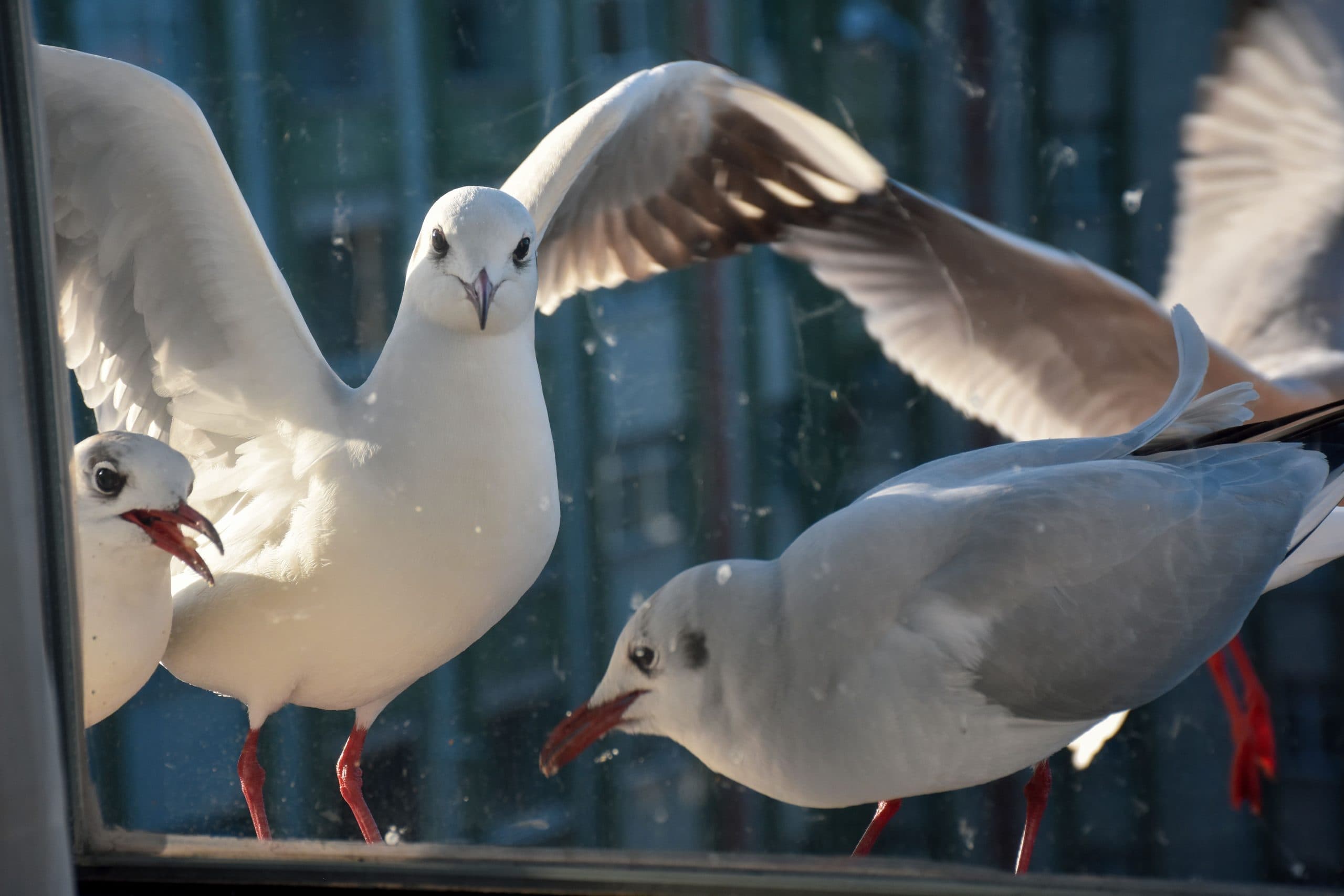
Signs You May Have a Gull Problem
Gull problems tend to announce themselves loudly, through noise, mess, and bold behaviour. Watch for these:
Nesting activity: gulls gathering on roofs, chimneys, gutters, or ledges, or gathering nesting material there.
Heavy fouling: droppings building up on paths, walls, roofs, vehicles, and entrances, creating mess and slip risks.
Noise and aggression: loud calling, swooping, and defensive dive-bombing while protecting a nest.
Blocked gutters: nesting material, feathers, and fouling clogging gutters, drains, and roof valleys.
Want more detail? Read why urban gulls on roofs and buildings are a growing problem.
Why Gulls Keep Returning
Gulls come back to the same roof because it offers safe, high nesting sites and easy food nearby. They're drawn by:
Height and safety: flat roofs, chimneys, and ledges are ideal, predator-free nesting spots.
Easy food: open bins, food waste, and outdoor eating areas provide a reliable supply.
Safe roosting: quiet, elevated areas where gulls can gather and rest undisturbed.
Nest loyalty: gulls return to successful nesting sites year after year, often in growing numbers.
Removing food sources and proofing rooflines makes a property far less appealing.
Gull Control Across the North
Call: 0191 829 9920
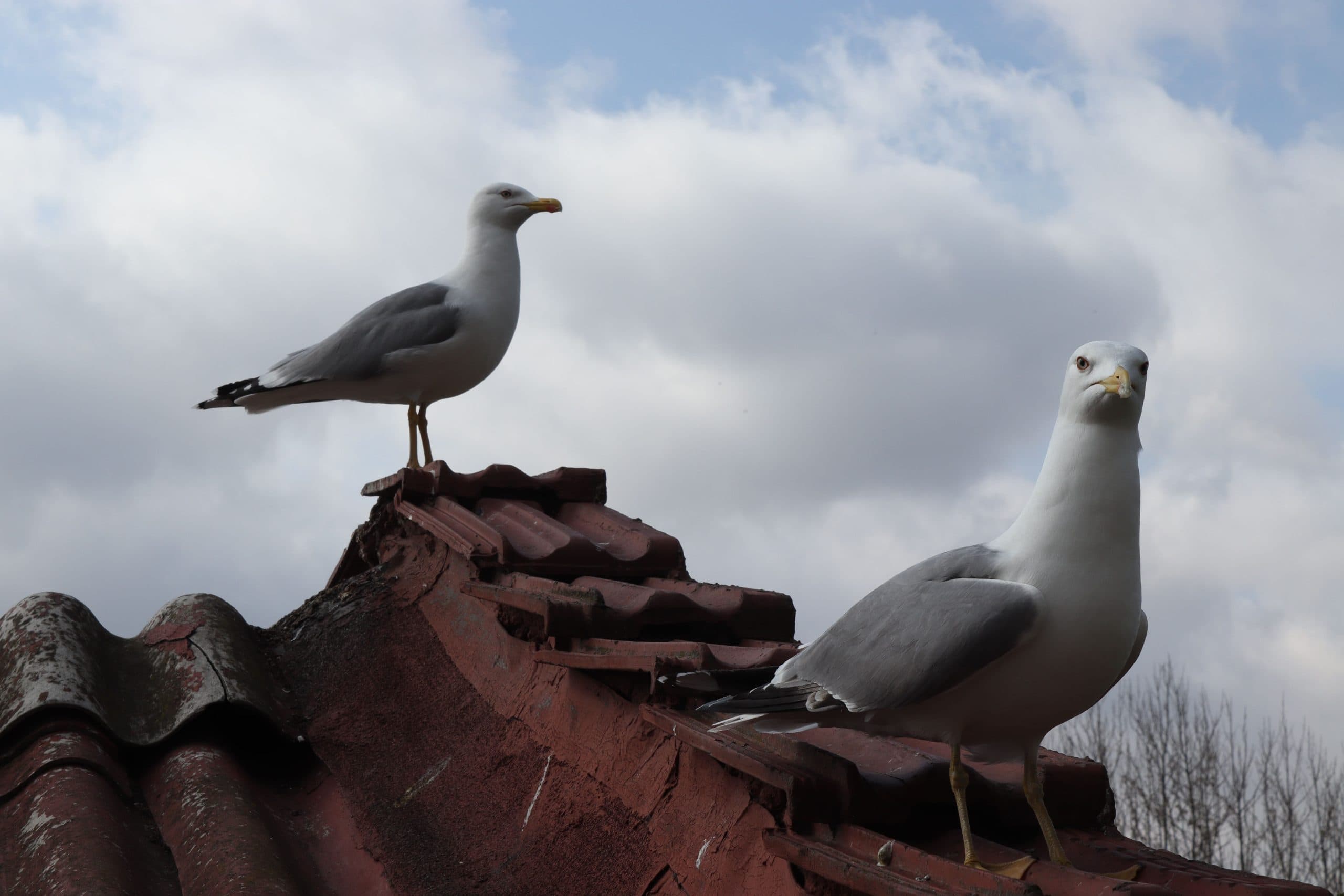
Can DIY Gull Control Work?
DIY carries real legal and safety risk with gulls, since the birds, their eggs, and active nests are protected.
The legal line: wild birds, eggs and nests are protected under the Wildlife and Countryside Act 1981. Disturbing active nests may be unlawful or require a licence, so seek professional advice before taking action.
The safety risk: nesting gulls dive-bomb, so working near a nest without experience is genuinely dangerous.
The catch: shop-bought deterrents rarely suit a roofline, so gulls return, professional, legally sound proofing is the safer route.
Gull proofing should be planned around nesting activity, as wild birds, eggs and nests are legally protected. A professional survey can assess whether netting, spikes or other deterrents can be installed lawfully and safely, ideally after nesting has finished. Avoid approaching aggressive nesting gulls and seek professional advice.
Where Gulls Nest and Roost
Gulls favour high, flat, sheltered spots on a building, and they reuse them season after season. Common areas include:
Rooftops: flat roofs, chimney stacks, and parapets offering safe, elevated nesting.
Gutters and valleys: where nesting material and fouling collect and cause blockages.
Ledges and signage: wide ledges, commercial signs, and rooftop plant.
Quiet high spots: undisturbed roof areas where colonies gather and roost.
Once a site proves safe, gulls return to it and numbers grow, often alongside the other pest birds that share these rooftops.
The Risks of a Gull Problem
Left unmanaged, a nesting colony moves quickly from nuisance to a real concern for a property. Consider:
Hygiene and fouling: droppings across paths, entrances, and outdoor areas raise hygiene and slip-risk concerns.
Aggression: nesting gulls swoop and dive-bomb people near the nest, a genuine safety issue.
Property damage: acidic fouling and nesting debris damage roofs, gutters, and brickwork over time.
Blocked drainage: clogged gutters and downpipes lead to overflow, damp, and water damage.
Gulls nesting on commercial roofs can create safety risks, obstruct drainage and disrupt business operations. Our Commercial Pest Control service helps businesses assess gull activity and plan suitable proofing, cleaning and prevention measures while respecting wildlife protections. Accumulated gull droppings can create hygiene and maintenance concerns. Our Specialist Cleaning service can safely remove bird fouling and disinfect affected areas.When to Call a Professional
When gulls keep returning, nest on the roof, or turn aggressive near a business, professional support helps you act safely and within the law. Clear Pest Control manages the whole situation, not just the birds you can see.
- Inspection: we check roof areas, nesting and roosting spots, fouling, and access points.
- Legal check: we confirm whether a nest is active and what can lawfully be done.
- Proofing: netting, spikes, wires, and deterrents chosen for the building.
- Prevention advice: guidance on waste, food sources, and timing to stop gulls resettling.
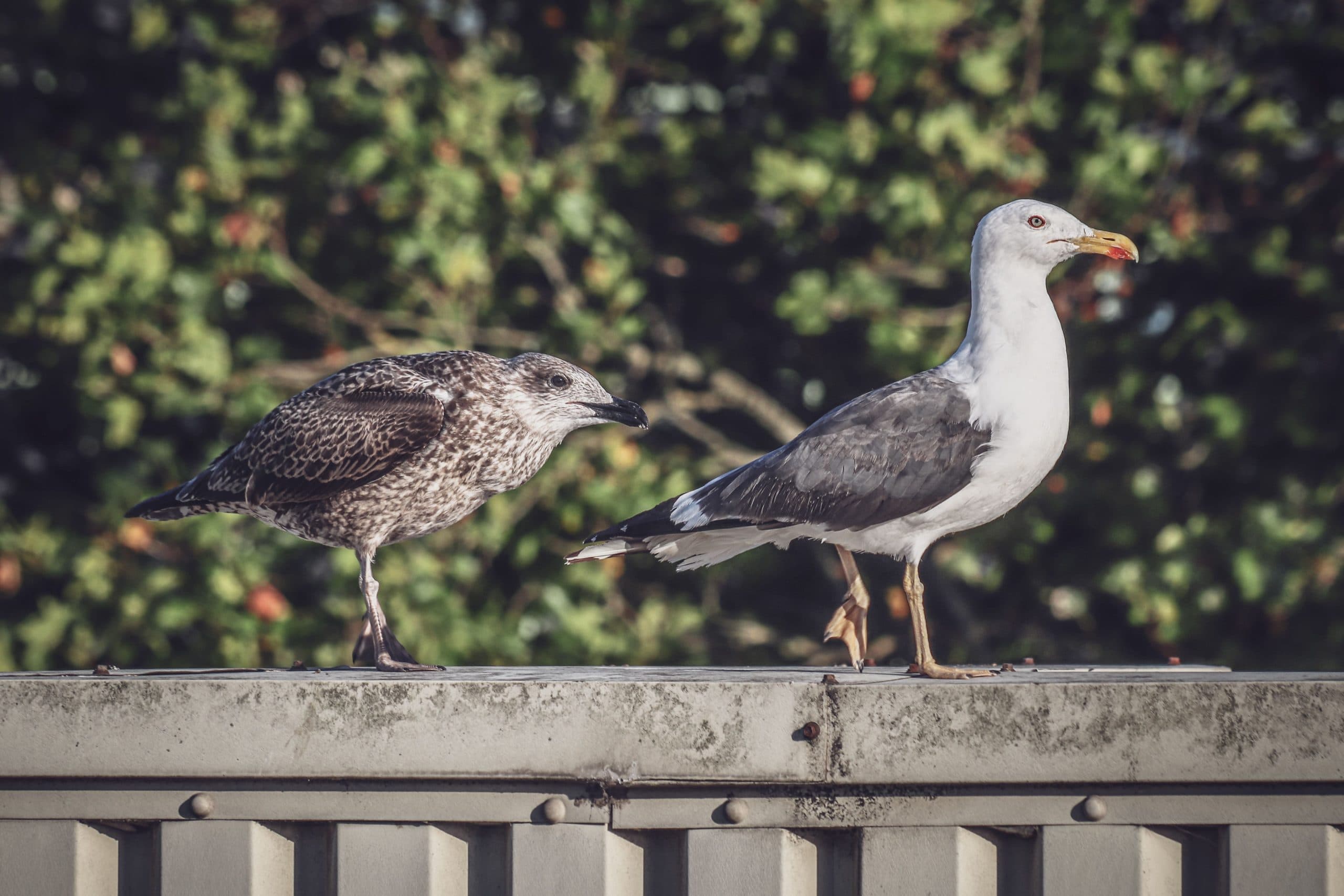
Urgent Gull Control Assessment
0191 829 9920
Prevention and Proofing
Managing gulls is about making a roofline less inviting, and timing proofing correctly.
Gull Control in Your Area Clear Pest Control provides gull assessments and roof-proofing advice across the North of England, including Sunderland, South Shields and North Shields in the North; Manchester and Salford in Greater Manchester; and Barrow-in-Furness, Whitehaven and Workington in Cumbria. Our technicians assess nesting activity, roof access and safety risks before recommending legally compliant proofing and prevention measures. For other locations, visit our Areas We Cover page.- Inspect nesting and roosting areas before scheduling work.
- Arrange proofing when it can lawfully be installed without interfering with protected nesting activity.
- Clear nesting material only when lawful and safe to do so.
- Keep accessible bins closed and manage food waste.