


Ladybird Pest Control Across the North
Effective, Professional Pest Control
Targeted treatment, expert advice and ongoing prevention from professionally trained technicians. Treatment guarantees available on qualifying services where applicable – terms apply.
Qualified Technicians
All engineers are professionally trained.
Best Value Service
High quality pest control at great value.
Treatment Guarantees
Available on qualifying services – terms apply.
Ladybird Pest Control
A ladybird or two in the garden is welcome. Dozens clustered on a warm windowsill or ceiling is a different story, especially in autumn, when they pile indoors to escape the cold.
Ladybirds are generally beneficial outdoors, but large indoor clusters can cause staining, unpleasant odours and repeated seasonal nuisance. As part of our wider professional pest control services, Clear Pest Control helps homeowners, landlords and businesses across the North manage troublesome ladybird gatherings. We assess the activity, recommend appropriate removal methods and advise on reducing the gaps that allow ladybirds indoors.
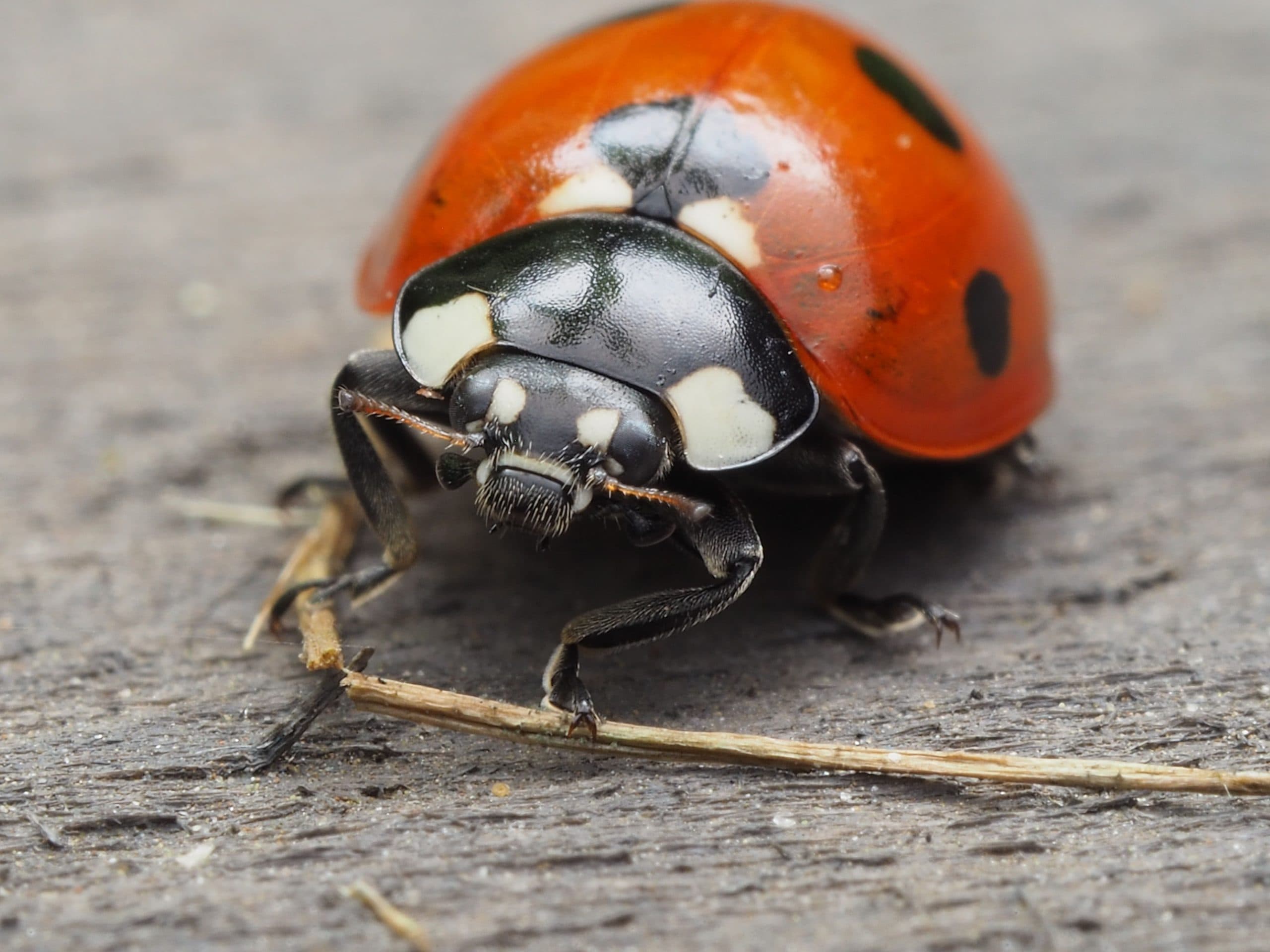
Signs You May Have a Ladybird Infestation
The problem shows itself through numbers and repetition rather than damage. Watch for these:
Large clusters: groups gathering on windows, ceilings, loft spaces, or warm walls, especially in autumn.
Window activity: repeated sightings around frames, sills, curtains, and glass as they seek warmth.
Staining or odour: yellowish marks or a faint unpleasant smell where clusters gather or are disturbed.
Seasonal return: the same spots used year after year as ladybirds move in to overwinter.
Want more detail? Our guide explains why ladybirds swarm indoors and where they cluster.
Why Ladybirds Come Indoors
Ladybirds don't come inside for food, they come to escape the cold and shelter through winter, often in large groups. They're drawn by:
Warmth: heated rooms, sunny walls, and warm window frames offer refuge as temperatures drop.
Shelter: lofts, wall cavities, and quiet corners make ideal overwintering spots.
Light, warm surfaces: pale, sun-facing walls and windows attract clusters on bright autumn days.
Scent trails: returning ladybirds follow pheromones left by previous clusters to the same spots.
Sealing entry points before autumn is the best way to keep them out.
Ladybird Infestation Control Across the North
Call: 0191 829 9920
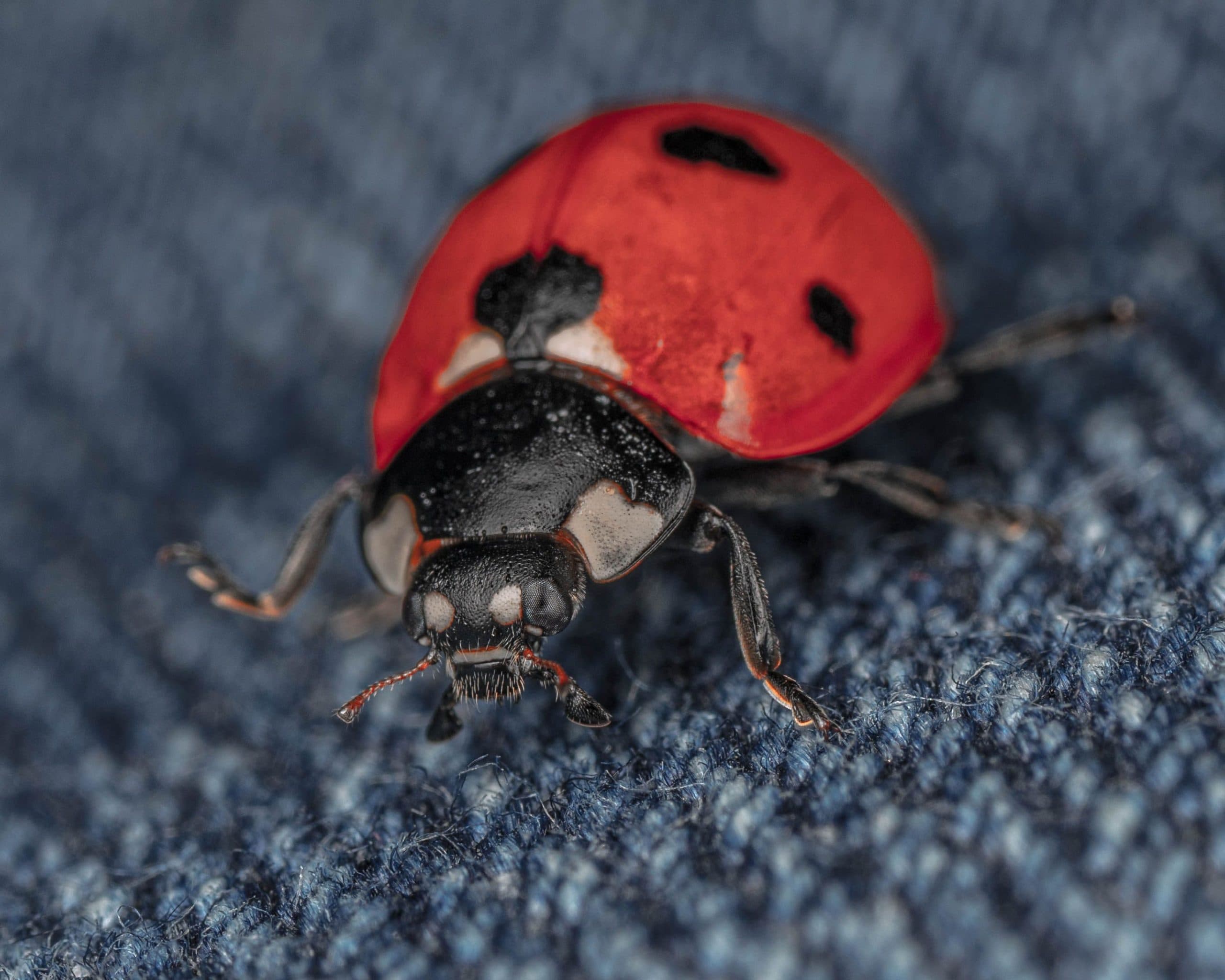
Can DIY Ladybird Control Work?
DIY can manage a small cluster, but ladybirds keep returning to the same spots while the entry gaps stay open.
Vacuuming: gently hoovering up clusters clears them without crushing (which triggers staining and odour).
Sealing gaps: filling cracks around windows, vents, and rooflines before autumn keeps new arrivals out.
The catch: sprays are rarely appropriate for a beneficial insect, and without sealing the access points, fresh clusters simply gather again next season.
Where They Gather
- Windows and frames: sills, corners and glass on the sunny side of a building.
- Ceilings and walls: warm upper corners of rooms and sun-facing walls.
- Lofts and voids: roof spaces, wall cavities and quiet gaps left undisturbed.
- Entry gaps: around vents, rooflines and cracks in brickwork where clusters slip in.
The Risks of a Ladybird Infestation
Ladybirds are harmless and even helpful outdoors, but indoor clusters bring their own nuisances. Consider:
Staining: disturbed ladybirds can release a yellow fluid that marks walls, curtains, and fabrics.
Odour: large clusters give off a faint, unpleasant smell, noticeable in enclosed rooms.
Repeat gatherings: the same rooms and windows are used each year unless entry points are sealed.
Business nuisance: clusters around windows and displays can affect the look of a commercial space.
When to Call a Professional
When clusters keep returning, gather in large numbers, or take over windows and rooms year after year, professional help is the clearest next step. Clear Pest Control manages the problem safely and at the source.
- Inspection: we check indoor clusters, window activity, entry points, and shelter areas.
- Safe removal: clusters are cleared carefully, avoiding the staining and odour crushing causes.
- Proofing focus: we identify the gaps ladybirds use to get in.
- Prevention advice: practical steps on sealing and timing to stop them gathering again.
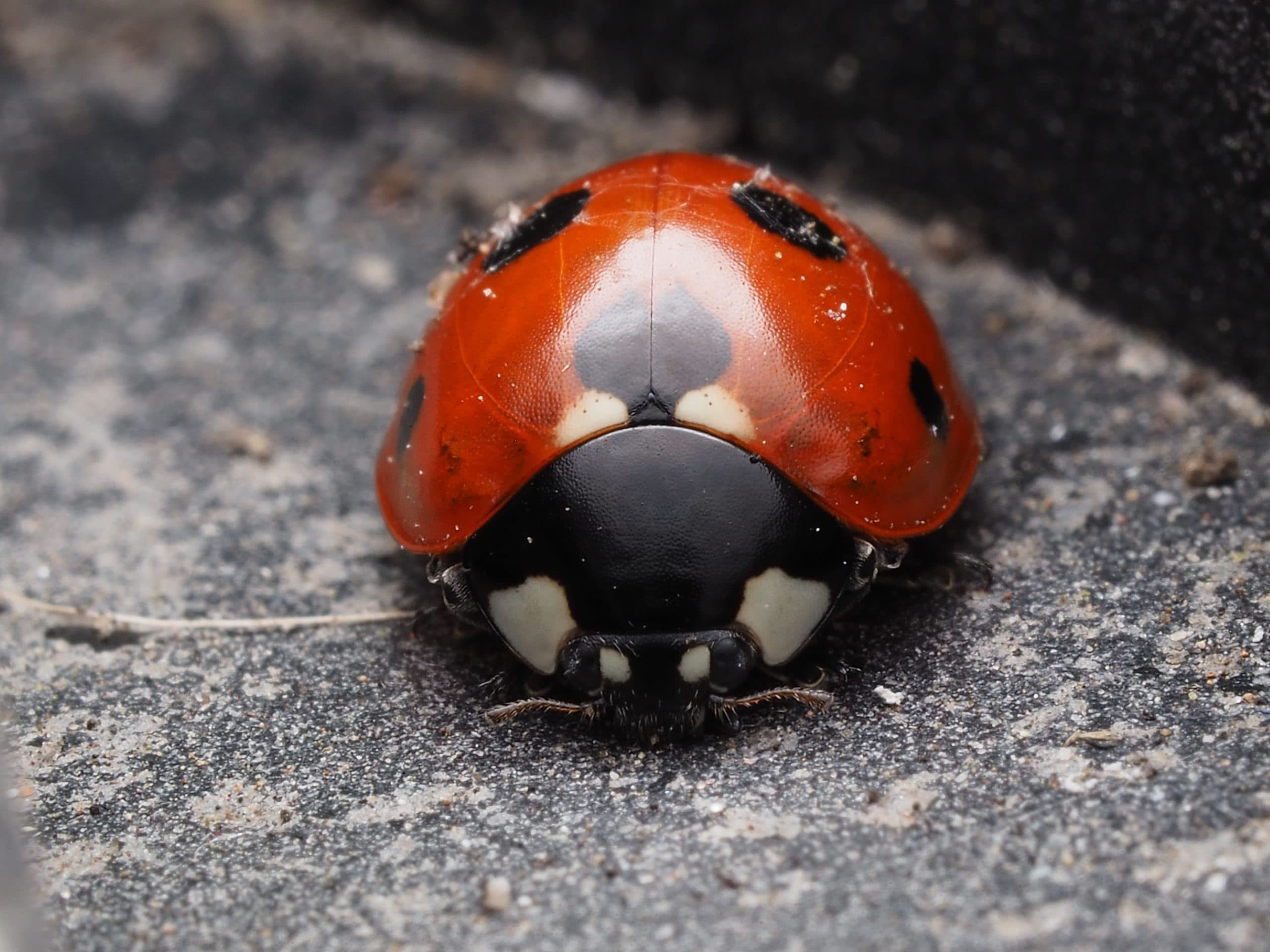
Emergency Ladybird Removal
0191 829 9920
Prevention After Treatment
- Seal gaps around windows, vents and rooflines before autumn.
- Repair cracks in brickwork and worn window frames.
- Vacuum early clusters gently rather than crushing them.
- Check warm, sunny walls each autumn for fresh gatherings.