Most people do not think much about spiders until one runs across the floor at the worst possible time. Once it happens a few nights in a row, it is normal to wonder where they are coming from and why they seem to appear all at once.
There is a seasonal reason for that. A UK study of 9,905 house-spider sightings found that records peaked between 12 and 19 September. Where sex was identified, 82.3% were male, which points to mature males moving around more in autumn as they search for females.
This article by Clear Pest Control explains why spiders suddenly appear indoors, what attracts them and how to work out whether they are entering from outside or already living around the building.
Why Spiders Suddenly Become More Visible

Seeing several spiders within a few days can make it seem as though an infestation has suddenly developed inside the house. In many cases, the spiders were already living quietly around the building and have only recently started moving into view.
Large house spiders often stay close to their sheet-like webs in protected areas. The Natural History Museum’s house-spider guide identifies garages, sheds, loft spaces and cavity walls as common locations because they are less disturbed than living rooms or hallways.
During late summer and autumn, adult males leave these established hiding places and travel farther in search of females. A spider crossing the lounge may therefore have come from the loft, garage or a web behind stored belongings rather than entering the house that day.
Warm, dry autumn weather can extend this period of activity. Doors and windows may also remain open for longer, creating more opportunities for outdoor spiders to enter.
Why Are Spiders in Your House All of a Sudden?
Sudden spider activity usually has a seasonal, structural or environmental explanation.
The most common seasonal cause is mating behaviour. Males that remained hidden earlier in the year begin travelling farther, often crossing open floors where they are difficult to miss.
Changes around the property can also expose activity that was already present. Moving boxes in a garage, clearing a loft or disturbing stored furniture may remove a hiding place and send spiders elsewhere.
Open windows and doors create another opportunity. A warm evening can bring flying insects towards the house, followed by spiders looking for prey or shelter.
A cluster of tiny spiders has a different explanation from several large adults. Small spiderlings appearing together may indicate that an egg sac has hatched nearby. Several large spiders seen separately during autumn are more likely to be individual adults moving through the property.
If spiders seem to appear all of a sudden, look at the pattern. Their size, location and timing can tell you more than the number alone.
At Clear Pest Control, we use these patterns to understand what may be driving pest activity in homes and businesses across the North East. You can read more about us and our experience in the industry.
When Do Spiders Come Into the House?

Spiders can enter properties throughout the year, but large house spiders are particularly noticeable from August to October.
The Natural History Museum explains that spider males are commonly seen in autumn when they leave their webs to find females. They may enter living areas through open windows, chimneys or gaps beneath doors.
The UK house-spider study found that sightings began rising substantially from late August before reaching their strongest point in mid-September. That does not mean every property will follow the same dates each year. Temperature, weather and the species involved can shift the pattern.
Spiders do not all enter purely because the weather has become cold. Some already occupy the structure throughout the year. Autumn simply encourages more movement through the rooms people use.
What Attracts Spiders?
Spiders are predators. They are not entering the kitchen because they want crumbs, cereal or household waste.
They are interested in the insects feeding or moving around those areas.
Flies, moths and other small insects provide prey. If those insects repeatedly gather near a window, light, bin area or damp space, spiders may establish webs close enough to intercept them.
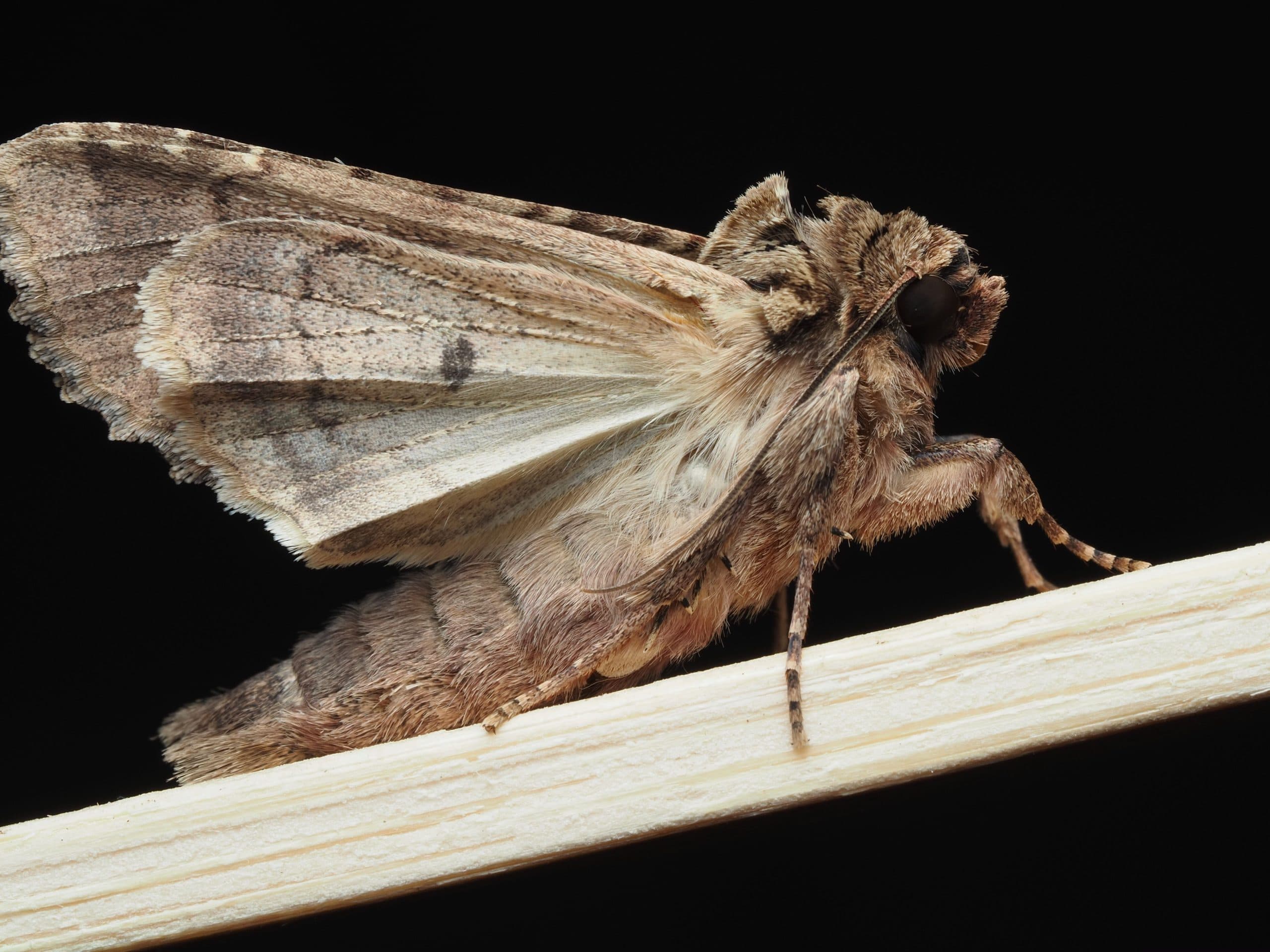
Moths can also become established indoors where suitable food sources and hiding places are available, creating another source of insect activity around the property.
BPCA guidance on controlling spiders recommends addressing insect prey where several spiders have become a nuisance. Removing webs alone may clear the visible activity for a while, but it does not change the conditions making that location productive.
Insect Activity
A spider web in the same corner month after month is rarely there by accident. That position may sit beside an entry gap or along a route regularly used by flying insects.
Food waste does not directly attract the spider, but it may support flies. Damp organic material may encourage small insects. Open windows without screens can let both prey and spiders move inside.
So the spider is not chasing the bin, the light or the damp corner itself. It is following the insect activity around it.
Undisturbed Shelter
Quiet spaces give spiders somewhere to build a web or retreat without it being removed.
Lofts, sheds and garages can offer stable hiding places behind stored items and along wall edges. Cavity walls, gaps behind furniture and unused corners may provide similar protection inside the home.
The issue is not that spiders have a special attraction to “clutter.” Stored belongings simply create more narrow gaps and areas that remain untouched for long periods.
Lights and Windows
A light near an open window can concentrate flying insects around one point. Web-building spiders may then settle nearby because prey repeatedly passes through the area.
The light is not necessarily attracting the spider itself. It is making the location a better hunting site.
What attracts spiders in the house is usually a combination of prey, shelter and a route into the building.
Are the Spiders Entering or Already Living There?

Both explanations are possible, sometimes in the same house.
The British Arachnological Society says spiders can enter through windows, doors, air bricks, chimneys, pipes and items carried inside. Small spiders may also drift through open windows on silk threads in a behaviour known as ballooning.
Large house spiders can also live around buildings for extended periods. Their permanent sheet webs are often found in garages, sheds and loft spaces rather than busy living areas.
The pattern of sightings can help separate these possibilities.
Repeated activity beside the same window may point towards an outdoor entry point. Spiders emerging from a loft hatch or garage doorway may be moving from an established indoor harbourage. Several different species appearing around doors and windows can suggest regular movement from outside.
One large spider in the lounge does not tell you where it came from. The surrounding pattern is more useful than the individual sighting.
Someone searching for spider pest control near me in Blyth may be dealing with regular activity from a loft, garage or nearby outbuilding rather than a sudden infestation in the occupied rooms.
How Do Spiders Get Into the House?
Spiders do not need a large opening. Small gaps around the building can create enough access, especially when those routes remain undisturbed.
Common entry points include the edges of doors and windows, damaged seals, air bricks and gaps around service openings. Chimneys and roofline gaps can connect outdoor areas with loft spaces.
Spiders may also be brought inside with firewood, plants, boxes or furniture. The spider may leave the item later and appear in another room, making the source difficult to recognise.
Small gaps around doors, windows and service points can also provide access for other pests, including ants, although their reasons for entering the property are different.
Read What the Sightings Are Telling You
The type and location of the activity can reveal more than the total number seen.
Large Spiders on Floors
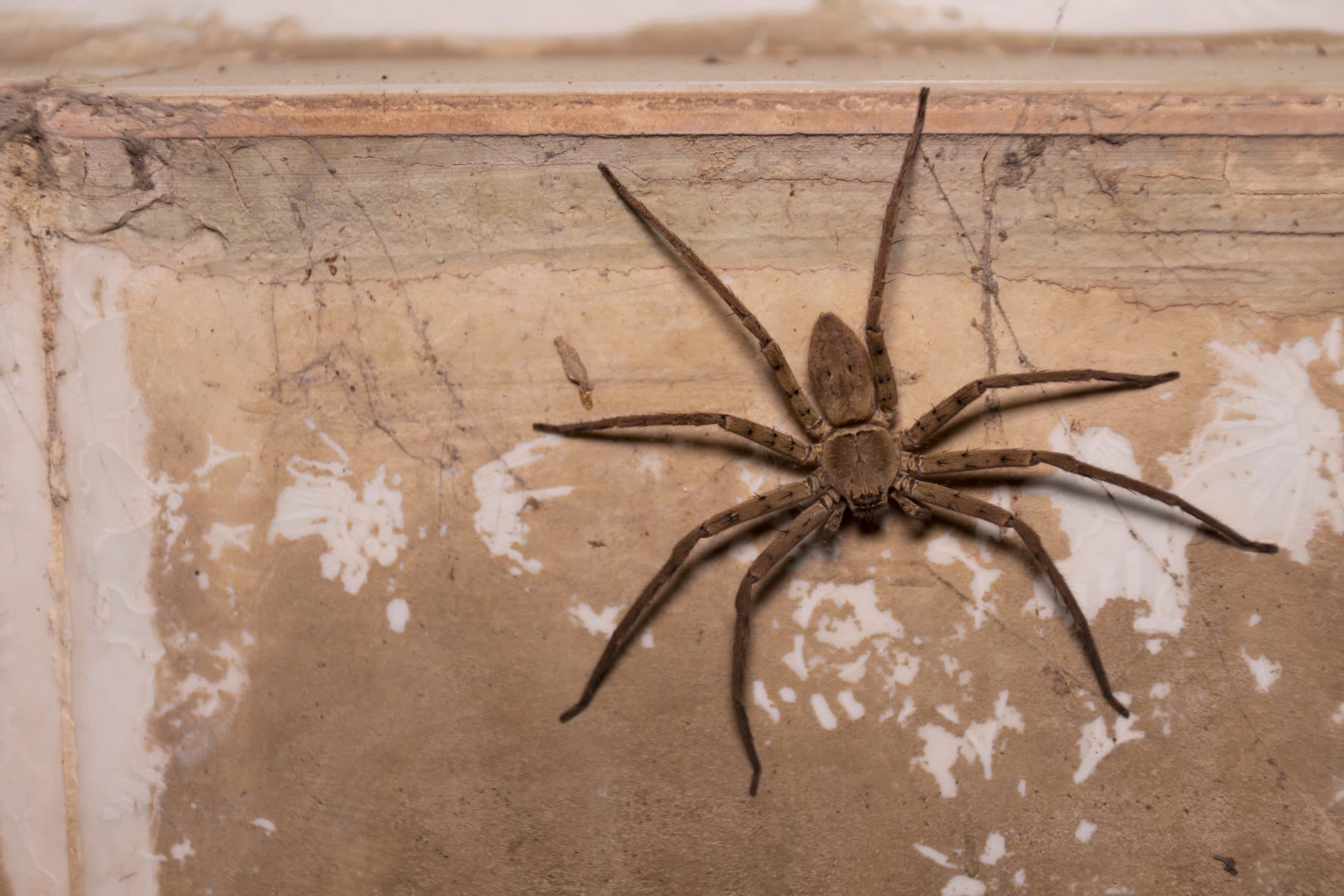
A large spider moving quickly across an open floor during late summer or autumn is often a roaming male house spider.
In the UK house-spider study, almost half of recorded sightings were on floors, and males accounted for most sexed records. This supports the idea that many noticeable autumn encounters involve mobile males rather than spiders permanently living in the centre of the room.
Webs in the Same Place
Repeated webs suggest that the position provides either regular prey or suitable shelter.
Removing the web may deal with the immediate nuisance, but another spider can occupy the same productive site while the insect route remains unchanged.
Look around the area for flies, moths or gaps around a window rather than treating the web as the whole problem.
Tiny Spiders Together
A group of very small spiders appearing at once may be newly hatched spiderlings.
They can spread out quickly after leaving an egg sac, so the sight of many tiny spiders does not necessarily mean numerous adult spiders have moved indoors.
Check nearby webs, furniture edges and protected wall gaps for the original area.
Spiders in the Bath
Spiders found in baths have not usually travelled through the plughole.
The water-filled U-bend beneath the drain blocks that route. The spider is more likely to have fallen into the bath while wandering and then become trapped because it cannot climb the smooth sides.
A bath sighting therefore points towards movement around the bathroom, not a spider-filled drainage system plotting its next entrance.
For a broader look at identification and the species you may find indoors, see our guide to common house spiders found in the UK.
Why Do Spiders Keep Appearing After You Remove Them?

Removing a spider deals with one individual. It does not remove the route, prey or harbourage supporting the wider activity.
An empty web site may also be taken over by another spider if insects continue crossing that area. Garages, lofts and external buildings can keep supplying occasional wanderers even when living rooms are regularly cleaned.
Is the same doorway being used? Are flying insects gathering around one window? Is the activity coming from an undisturbed loft or storage space? Has an egg sac hatched?
The spider you remove is the sighting. The property conditions explain the repetition.
Our pest control blog covers more advice on identifying common household pests, understanding their behaviour and recognising the conditions that can encourage activity.
Can You Reduce Spider Activity Yourself?
Normal spider sightings do not always require pest treatment. A single spider can usually be collected and released without harming it.
Where activity keeps repeating, use the pattern to reduce the underlying causes:
- Remove old webs from accessible areas and check whether they return.
- Repair damaged seals around windows and external doors.
- Fit suitable insect screens where windows are regularly left open.
- Check gaps leading from garages, lofts and outbuildings.
- Reduce the flies, moths or other insects supporting spider activity.
- Clear undisturbed storage areas carefully rather than moving everything between rooms.
- Check around external lights and nearby openings for insect activity.
- Avoid blocking necessary ventilation points without suitable mesh.
If repeated webs or another insect problem are driving the activity, someone looking for spiders pest control in Newcastle may need an inspection that addresses the available prey and entry route rather than only removing the visible spiders.
When Does Spider Activity Need Professional Attention?
A few seasonal spiders are usually part of normal household wildlife. Professional help becomes more useful when the numbers are unusually high, webs repeatedly return or the main activity sits in an area that cannot be inspected safely.
An inspection may also be worthwhile where spiders appear alongside flies, moths or stored-product insects. In that situation, the underlying insect problem may be more important than the spiders feeding on it.
Clear Pest Control North East can help if spiders keep appearing across several rooms, inaccessible webs are building up, or ordinary removal has not changed the pattern.
FAQs
Why Are There So Many Spiders in My House?
You may be seeing more spiders because adult males are roaming during the late-summer and autumn mating period.
Open entry points, insect prey and undisturbed shelter can also increase the number remaining around the property.
Why Are There Spiders in My House All of a Sudden?
Seasonal mating activity can make previously hidden spiders cross open rooms. Warm weather, open windows or disturbed storage may also make them more visible.
A sudden sighting does not always mean a new indoor population has developed.
What Attracts Spiders in the House?
Flies, moths and other small insects can make windows, lights and storage areas productive hunting locations.
Undisturbed gaps also give spiders somewhere to build webs or retreat.
How Do Spiders Get in the House?
They can enter through open windows, door gaps, chimneys, air bricks and other openings. They may also be carried indoors with boxes, plants, firewood or furniture.
Some spiders found indoors were already living in lofts, garages or cavity walls.
When Do Spiders Come Into the House?
Spiders can enter throughout the year, but large house spiders are especially visible from August to October.
Autumn sightings often involve mature males moving through rooms in search of females.
Does Seeing Several Spiders Mean There Is a Nest?
Not necessarily. Spiders do not form household colonies in the way ants do.
Several large adults may be separate individuals. A group of tiny spiderlings may indicate that an egg sac has recently hatched.
Do Spiders Come Up Through Bath Plughole?
Usually not. The water-filled U-bend blocks the route.
A spider found in the bath has probably fallen in while wandering and become trapped by the smooth sides.
Do House Spiders Come Back After Being Removed?
The same individual may occasionally return if released very close to the building, but repeated sightings are often new spiders using the same entry points or hunting areas.
Correcting the route and reducing insect prey is more useful than removing one spider at a time.