


Mole Pest Control Across the North
Effective, Professional Pest Control
Targeted treatment, expert advice and ongoing prevention from professionally trained technicians. Treatment guarantees available on qualifying services where applicable – terms apply.
Qualified Technicians
All engineers are professionally trained.
Best Value Service
High quality pest control at great value.
Treatment Guarantees
Available on qualifying services – terms apply.
Mole Pest Control
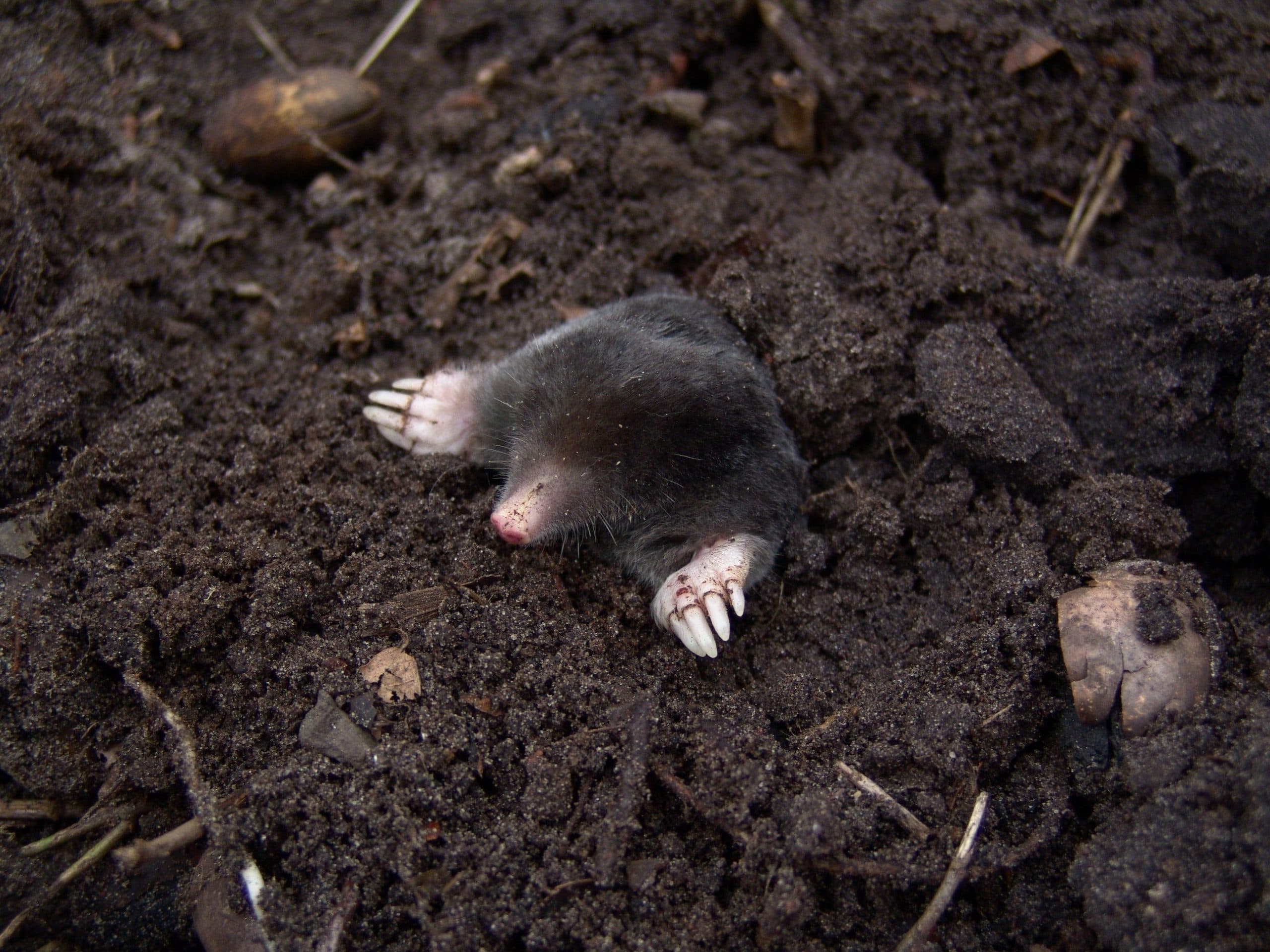
Wake up to fresh molehills scattered across the lawn and you've got a mole tunnelling below, and where there's one hill, there's usually a whole network underground.
Moles can create molehills, raised tunnels and uneven ground across lawns, gardens, paddocks and sports grounds. As part of our wider professional pest control services, Clear Pest Control provides mole control across the North for homeowners, landowners and businesses. Our technicians assess the affected ground, identify likely active runs and recommend appropriate control measures to help reduce further disruption and damage.

Signs You May Have a Mole Problem
Moles work unseen below ground, so the damage on the surface is what gives them away. Watch for these:
Molehills: fresh piles of soil pushed up across lawns, gardens, fields, or grassed areas.
Raised tunnels: ridges or soft, spongy lines where moles are running just below the surface.
Damaged lawns: uneven grass, loose soil, and collapsed patches that make ground hard to maintain.
Repeated activity: new molehills appearing in the same area, pointing to an active tunnel system.
Want more detail? Our guide covers the damage moles cause and the myths around them.
What Attracts Moles to Your Property
Moles aren't drawn by rubbish or shelter, they follow one thing above all: a good supply of earthworms in the soil. They favour:
Worm-rich soil: earthworms are their main food, so healthy, fertile ground is prime territory.
Soft, workable earth: loose, moist soil is easy to tunnel through and dig.
Open grassland: lawns, paddocks, borders, and fields give plenty of feeding ground.
Existing tunnels: established run systems that keep expanding as the mole feeds.
Well-watered, worm-rich lawns are exactly what draws them in.
Mole Control Across the North
Call: 0191 829 9920

Can DIY Mole Control Work?
DIY mole control is notoriously hit-and-miss. Moles are elusive, and shop-bought options rarely deliver lasting results. How can you tell if a mole tunnel is still active? Fresh molehills, raised ridges and changes in the ground over several days can indicate recent activity, although not every tunnel is still in use.
Repellents and sonic devices: may temporarily disturb moles, but results are often unreliable.
Home traps: correct placement in an active run is essential. Moles use networks of tunnels, and a single mole can create several hills, so choosing the wrong location may achieve little.
The catch: effective control depends on identifying active runs rather than old tunnels. Professional inspection and appropriate trapping can help target the areas where moles are actually moving. If molehills keep appearing across lawns, paddocks or sports grounds, identifying active areas early can help limit further disruption.
Where Moles Tunnel
Moles dig extensive run systems wherever the soil is soft and worms are plentiful. Common areas include:
Lawns and gardens: open grass and borders with fertile, workable soil.
Paddocks and fields: grazed land and grassland rich in earthworms.
Sports grounds: pitches, greens, and playing fields with maintained turf.
Landscaped areas: commercial grounds, verges, and cultivated outdoor spaces.
Soft, worm-rich ground is exactly where a run system takes hold and grows.
The Risks of a Mole Problem
A mole won't hurt anyone, but the damage to ground and grass adds up fast. Consider:
Lawn damage: molehills and collapsed runs leave lawns uneven, patchy, and hard to mow.
Undermined ground: tunnelling loosens the surface, creating trip hazards and soft spots.
Sports and paddock risk: on pitches and paddocks, tunnels and hills are a genuine safety concern.
Spreading network: left alone, the tunnel system keeps expanding across the ground.
When to Call a Professional
When molehills keep appearing, spread across the lawn, or return after DIY attempts, professional control is the clearest next step. Clear Pest Control locates the active runs and deals with the mole properly.
- Inspection: we check molehills, tunnel routes, ground conditions, and areas of repeat activity.
- Active-run tracing: we find the working tunnels, the key to effective trapping.
- Targeted control: professional mole trapping placed and monitored correctly.
- Prevention advice: practical guidance on ground management to reduce the risk of further activity.
Emergency Mole Removal
0191 829 9920
Prevention After Treatment
- Level and firm molehills and collapsed runs once activity has stopped.
- Monitor lawns, paddocks and grassed areas for fresh molehills or raised ridges.
- Check previously affected areas for signs of new tunnelling.
- Act early if fresh molehills appear, as new moles can move into the area.