Finding molehills in the garden can feel oddly personal. One day the lawn looks fine, and the next it looks like something has been quietly building a tiny underground railway. The good news is that moles are not usually there to destroy your garden for sport.
Once you understand what moles are doing underground, it becomes much easier to tell when the activity is just nature at work and when it is becoming a real problem.
This article by Clear Pest Control explains what moles in the garden are usually doing, what damage they can cause, which myths are worth ignoring, and when repeated activity may need closer attention.
Molehills and the First Signs of Garden Activity
Molehills are usually the first sign that moles are active. They appear when soil is pushed up from below as the mole digs tunnels and clears underground routes.
RHS advice on moles explains that they are rarely seen, but their presence is usually detected by molehills on lawns, beds and vegetable gardens. That makes the mound useful, even if it is not exactly what you wanted in the middle of the grass.
Most people do not see the mole; they see the soil it pushes up. Fresh, loose mounds suggest recent activity, while older molehills may flatten, dry out or blend back into the garden over time.
Signs of moles in yard spaces can also include soft ground, raised ridges, uneven surfaces and repeated soil heaps in the same area.
Garden Moles Underground

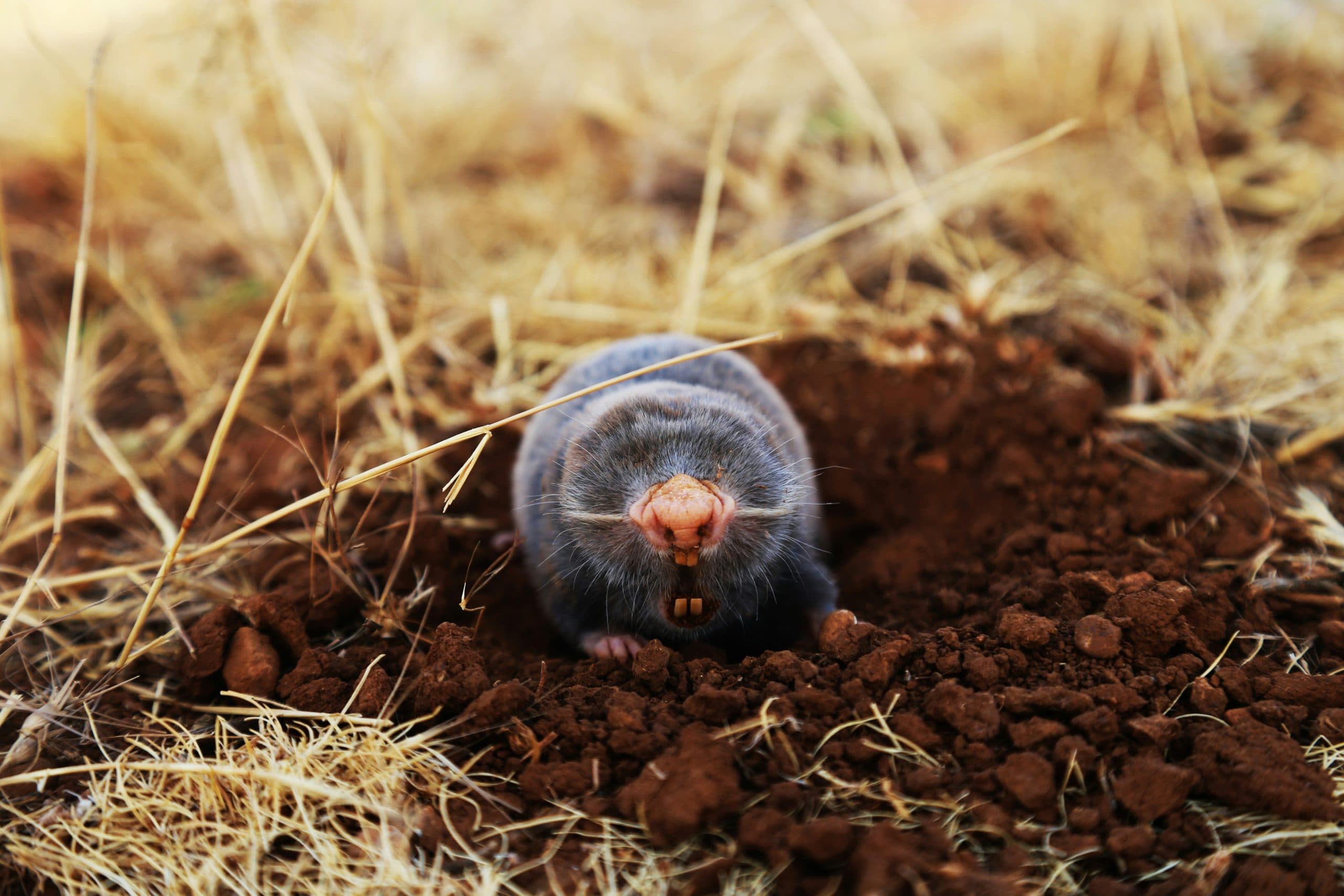
Garden moles spend most of their lives below the surface. They dig tunnels, create chambers and move through the soil in search of food, shelter and suitable conditions.
The Wildlife Trusts’ mole guide explains that moles spend most of their lives underground, using spade-like front paws to dig while hunting earthworms and other invertebrates. As a moles animal guide, this point matters: the visible damage is usually caused by a small mammal built for digging, not by an insect, rodent or plant-eating garden pest.
Useful facts about moles help make the problem less mysterious. They are small, powerful diggers, they are active underground for much of the year, and they can create visible disruption without ever appearing in plain sight.
Moles in Lawns, Yards and Managed Gardens
Moles in lawn areas are often more noticeable because neat grass shows every mound and ridge. A molehill in rough ground may not bother anyone, but the same mound in a tidy lawn can look like a small act of sabotage.
Moles in a yard can become a practical issue when the ground turns uneven. This matters more in gardens used by children, pets, customers, staff or anyone walking across the area regularly.
The problem is usually not that moles exist, but that their tunnels and soil heaps disrupt the way the space is used. Raised ground can interfere with mowing, spoil the appearance of a lawn, and create awkward or unsafe patches underfoot.
Moles in garden UK settings are often treated as a garden-management issue rather than an emergency. The real question is how often the signs appear, where they are appearing, and whether the space still works safely for you.
Mole Damage in the Garden
Moles can damage the surface of a garden without being plant-eating pests. Molehills can spoil lawns, cover grass, disturb beds and make outdoor spaces look messy very quickly.
They can help move soil and feed on invertebrates, but their tunnels and mounds can still create real problems in lawns, formal gardens, sports turf, paddocks and commercial grounds.
Moles can be useful underground and annoying above it. That is the awkward truth. They are part of the natural soil system, but the visible damage can still affect how you use and maintain the garden.
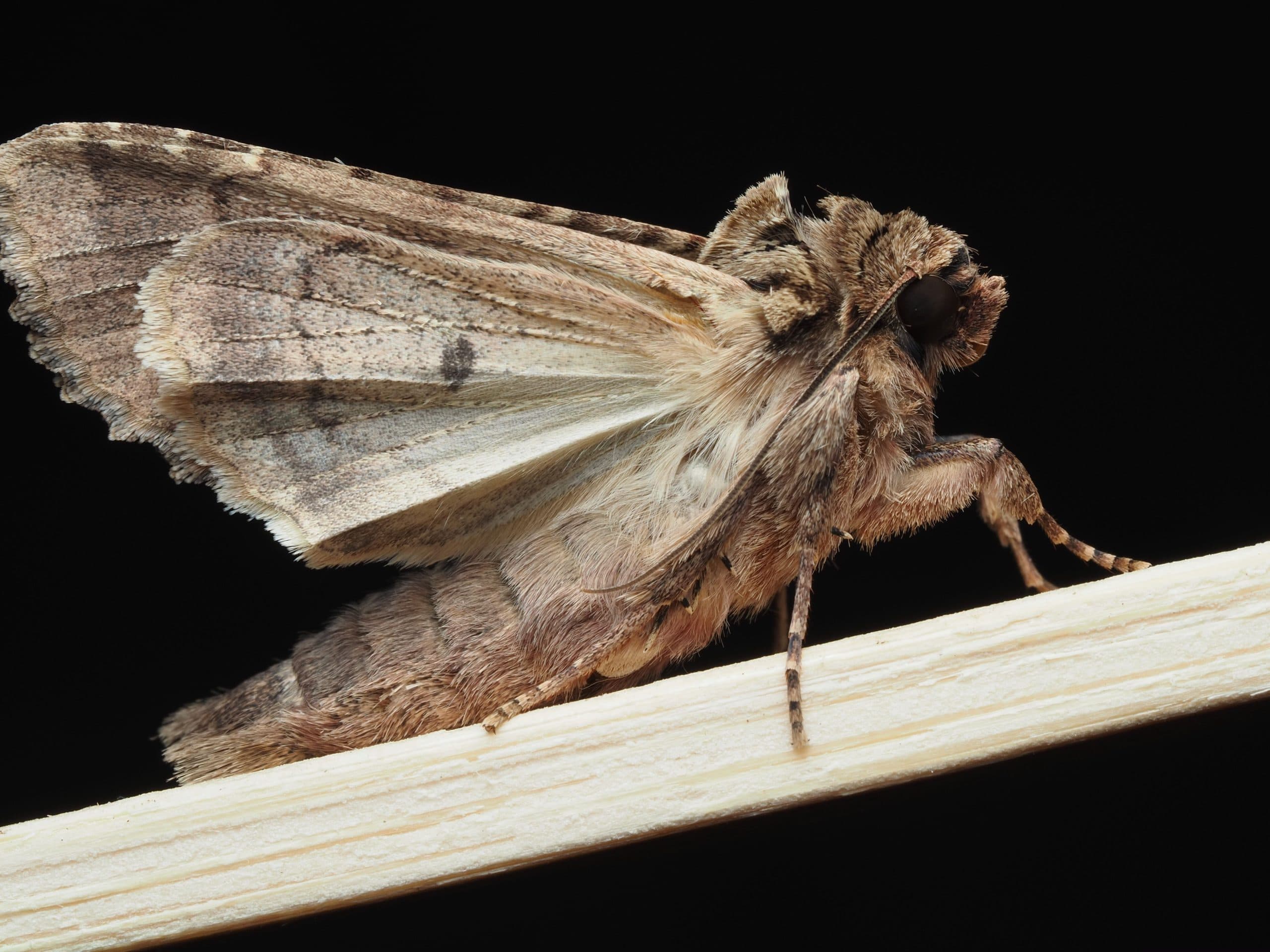
Mole activity can also disturb roots indirectly as tunnels pass through the soil. The mole is not usually eating the roots, but the ground movement can still upset planting areas, especially where the activity is heavy or repeated. Different pests affect different parts of a property. While moles are typically found underground, such as moths are more commonly associated with damage to clothing, carpets and other natural fibres inside the home.
Mole Tunnels and Burrow Depth

Mole tunnel systems can be more extensive than the surface suggests. The molehill is only the visible clue; below it, the routes can spread through feeding tunnels, deeper passages and resting areas.
How deep do moles dig? The answer can vary because moles use both shallow feeding tunnels and deeper routes depending on soil, food and conditions. Shallow tunnels may create raised ridges near the surface, while deeper digging may produce larger soil mounds.
How deep do moles burrow? In practical garden terms, it is enough to know that the visible mound is not the whole system. Filling in one molehill may tidy the surface, but it does not necessarily remove the activity below.
The molehill is only the top note of a much bigger underground story. That is why repeated mounds often return even after the first ones are flattened.
Food, Worms and Why Moles Choose Certain Gardens
Moles are often attracted to gardens because the soil gives them what they need. Moist, worm-rich ground can be especially appealing, which means a healthy garden may sometimes invite more activity than you would like.
What do moles eat? Moles mainly feed on earthworms and other soil invertebrates. They are not usually tunnelling because they fancy your tulip bulbs or want to personally ruin the lawn.
A healthy, worm-rich garden can be more attractive to moles than a poor one. That does not mean you have done anything wrong. It simply means the soil is supporting the food they hunt.
If molehills keep appearing after wet weather or in softer soil, food availability and easier digging may both be part of the pattern.
Mole Habitats and Lifespan
Moles live underground in tunnel systems. They can be found in gardens, grassland, farmland, woodland edges and other places where the soil supports their food and digging behaviour.
Where do moles live? They live below the surface, which is why garden signs are usually easier to spot than the mole itself.
The RSPCA’s downloadable Living With Moles PDF explains that moles spend most of their lives underground and live for around two to three years on average, although some can live longer.
Moles live below the surface, so the garden signs are usually easier to spot than the animal itself.
Lone Mole or Group Activity

Several molehills do not always mean several moles. This is one of the easiest things to misread when fresh mounds appear across a lawn.
Do moles live in groups? Usually, no. Moles are generally solitary and territorial, so a line or cluster of molehills can still be the work of one active mole moving through its tunnel system.
Several molehills do not automatically mean several moles. One mole can create a surprising amount of surface disturbance, especially if the soil is easy to dig and food is available.
Activity can shift during the year, and mating-related movement may change where moles travel. Still, it is better not to assume a whole crowd has moved in just because the lawn suddenly looks busy.
Mole Myths That Confuse Garden Owners
Moles attract a lot of myths. Some are harmless, some are funny, and some lead people into poor decisions that do not solve the problem.
The first myth is that moles eat plant roots. They mainly feed on worms and soil invertebrates, so plant damage is usually indirect through tunnelling and soil disturbance.
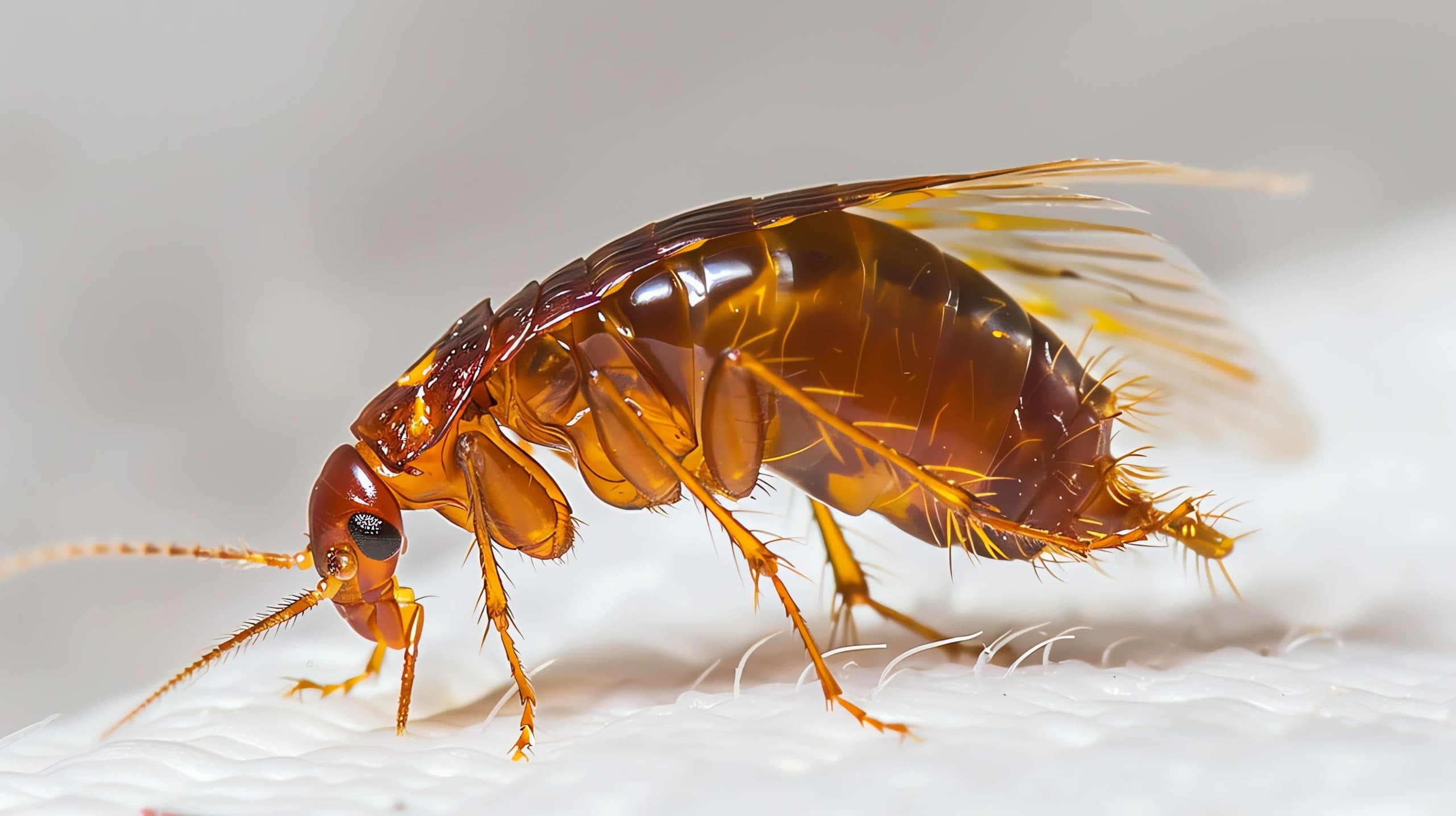
Another myth is that one dramatic DIY trick will solve everything. Flooding tunnels, random repellents and garden folklore rarely deal with the full tunnel system or the reason activity started there. Pest myths are not unique to moles. Similar misconceptions also exist about fleas, especially regarding how infestations begin and spread.
UK Protection and Responsible Mole Control
Are moles protected in the UK? Moles are not generally protected from control in the same way as some wildlife, but welfare law still matters. Any control method must avoid unnecessary suffering, and trapped or caught animals must be handled responsibly.
This aligns better with GOV.UK guidance, which says foxes, moles and mink that are caught are protected under the Animal Welfare Act 2006, and causing unnecessary suffering can lead to serious penalties.
The RSPCA explains that moles have basic protection from cruelty under the Wild Mammals Protection Act 1996, and that trapped or caught animals may fall under animal welfare responsibilities
Mole control needs to be handled with welfare and legal responsibility in mind.
Mole Bites and Safety Around Garden Activity

Moles are not aggressive garden animals. Most people will never be close enough to one for direct contact to be the main concern.
Do moles bite? They can bite if handled, frightened or trapped, but that is not the normal risk in a garden. The bigger issue is usually uneven ground, damaged lawn surfaces and poor handling if someone tries to deal with the animal themselves.
The main safety issue is usually uneven ground and poor handling, not a mole chasing anyone across the lawn. Moles are not hunting you. They would much rather stay underground and avoid the entire conversation.
If you do come across a mole above ground, do not pick it up. Keep pets away and get advice if the situation looks unusual.
Mole Activity Checklist for Gardens and Lawns
Before deciding whether mole activity needs professional attention, check the pattern rather than reacting to one mound. Ask these questions as you check:
- Are molehills appearing in the same lawn, bed or yard repeatedly? Repeated mounds suggest ongoing underground activity.
- Is the ground soft, raised or uneven underfoot? This matters where people walk, work, play or use machinery.
- Are the molehills fresh, loose and newly pushed up? Fresh soil is more useful than old flattened mounds.
- Is the activity affecting mowing, access, children, pets or customers? Practical disruption is often the reason action becomes necessary.
- Are tunnels running through a formal lawn, sports turf or commercial outdoor area? Managed ground can be affected more quickly than rough garden edges.
- Has activity continued after soil has been flattened or cleared? New mounds after clearing suggest the pattern is continuing.
- Is the issue spreading across the garden rather than staying in one corner? Wider activity can make the space harder to maintain.
One molehill may be easy to flatten and forget, but repeated mounds, soft ground or spreading tunnels are stronger signs that mole activity is starting to affect how the garden can be used. Our blog includes further guidance on recognising and understanding common pest activity throughout the year.
Mole Problems in Sunderland, South Tyneside and Newcastle
Mole removal in Sunderland may be relevant when molehills keep appearing across a lawn, garden or managed outdoor area. Pest control for moles in South Tyneside and other North East areas can help where mole activity is affecting lawns, yards, access routes or commercial grounds.
Local help is most useful when mole activity has become repeated, disruptive or difficult to manage safely. Find out more about us and the areas we cover across Sunderland, South Tyneside and Newcastle.
Call Clear Pest Control if Mole Activity Keeps Returning
Clear Pest Control UK can help where mole activity is affecting lawns, gardens, yards or managed outdoor spaces. Repeated molehills, uneven ground and spreading tunnels are all signs that the pattern may need closer attention.
Contact us if molehills keep returning, ground is becoming uneven, or the signs are spreading across an area you need to use safely. You can also call +441918299920 to discuss the activity with our team. A clear description of where the mounds appear, how often they return and how the space is used can make the first conversation more useful.
The earlier repeated activity is assessed, the easier it is to understand the pattern before the garden becomes harder to repair.
FAQs
Are moles protected in UK?
Moles are not generally protected from control in the same way as some wildlife, but cruelty and animal welfare laws still apply. The RSPCA explains that welfare rules matter where moles are trapped or caught.
Do moles bite?
Moles can bite if handled, frightened or trapped, but most people will never be close enough for that to be the main issue. Do not try to pick up or handle a mole.
How long do moles live?
The RSPCA’s Living With Moles PDF says moles live around two to three years on average, although some can live longer.
Do moles live in groups?
Moles are usually solitary and territorial. Several molehills can still be the work of one active mole rather than a group.
What do moles eat?
Moles mainly eat earthworms and other soil invertebrates. They do not usually eat plant roots.
Where do moles live?
Moles live underground in tunnel systems. They are found in gardens, grassland, farmland, woodland edges and other suitable soil habitats.
How deep do moles dig?
Moles can use shallow feeding tunnels near the surface and deeper routes depending on soil conditions and food availability.
How deep do moles burrow?
Burrow depth can vary, but the visible molehill is only the surface clue. The tunnel system below may be more extensive than the mound suggests.