


Woodworm Treatment Across the North
Effective, Professional Pest Control
Targeted treatment, expert advice and ongoing prevention from professionally trained technicians. Treatment guarantees available on qualifying services where applicable – terms apply.
Qualified Technicians
All engineers are professionally trained.
Best Value Service
High quality pest control at great value.
Treatment Guarantees
Available on qualifying services – terms apply.
Woodworm Treatment
Woodworm is easy to overlook until the damage is done. The tiny holes and fine dust it leaves behind are often the first sign that beetle larvae have been quietly tunnelling through timber, sometimes for years.
An active woodworm infestation can damage floorboards, beams and other timber over time, making early assessment important. As part of our wider professional pest control services, Clear Pest Control provides woodworm assessment and treatment across the North for homeowners, landlords and businesses. We investigate whether the infestation is active, assess the affected timber and recommend treatment and prevention measures suited to the property.
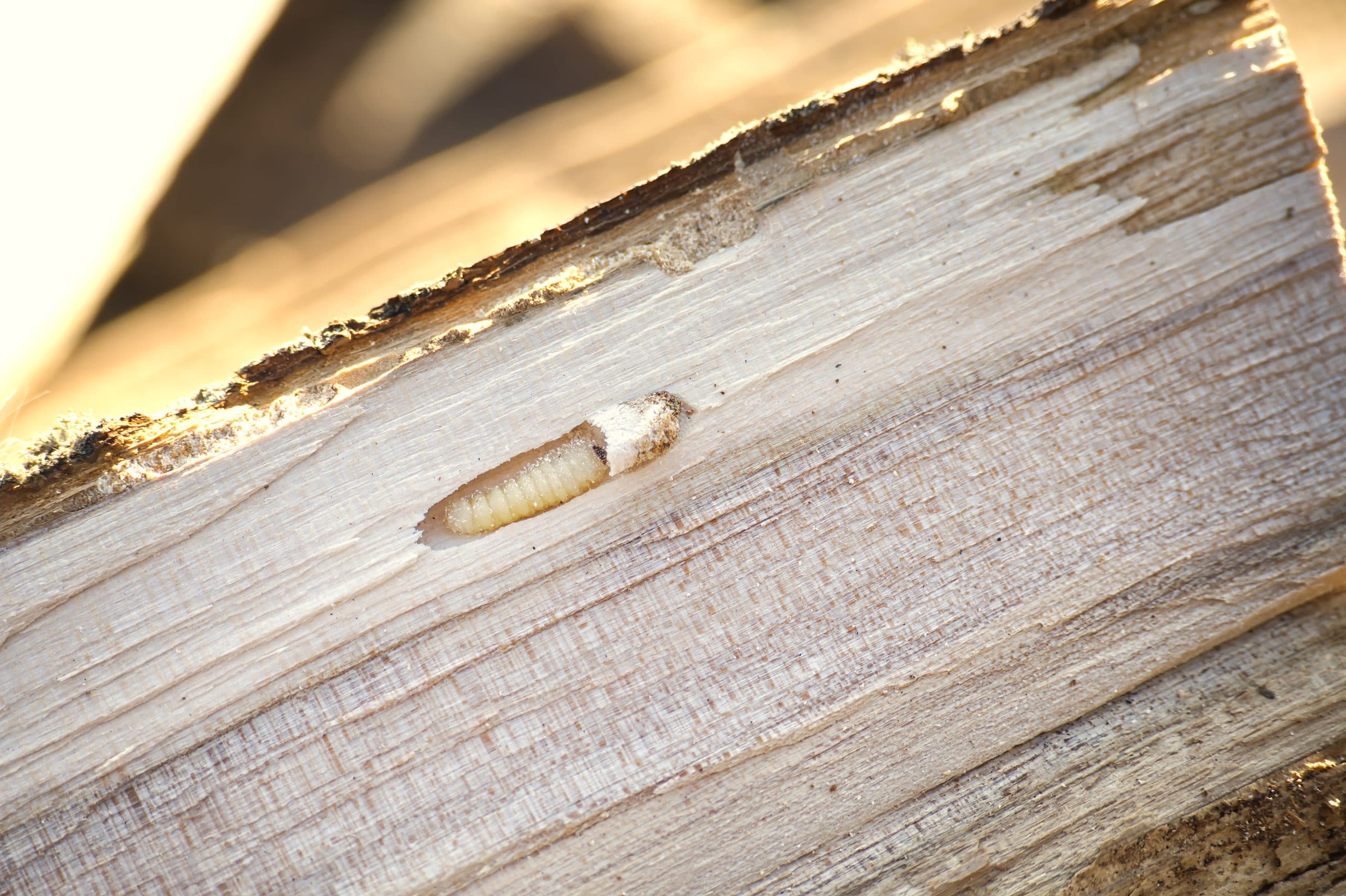
Signs You May Have a Woodworm Infestation
Woodworm works out of sight, so the evidence usually shows on the timber's surface before you see a beetle. Watch for these:
Exit holes: small round holes, around 1–2mm, where adult beetles have emerged from the wood.
Fine dust (frass): powdery, sawdust-like deposits near holes or below affected timber.
Weakened timber: wood that feels soft, crumbly, or rough, or floorboards that give underfoot.
Emerging beetles: small beetles near windowsills, lofts, or timber, often in late spring and summer.
Want more detail? Read our guide to spotting active woodworm damage.
What Makes Timber Vulnerable to Woodworm
Woodworm isn't drawn in like other pests, it takes hold where timber gives beetles the right conditions to lay eggs and larvae to feed. Timber is most at risk when:
It's damp: moisture softens wood and makes it far easier for larvae to tunnel through.
It's older or untreated: bare, unsealed, or historic timber offers little resistance.
It's poorly ventilated: lofts, cellars, and sub-floors with stale, humid air are prime spots.
It's already affected: an untreated infestation keeps cycling through the same timber.
Keeping wood dry and treated is the strongest protection.
Woodworm Infestation Control Across the North
Call: 0191 829 9920
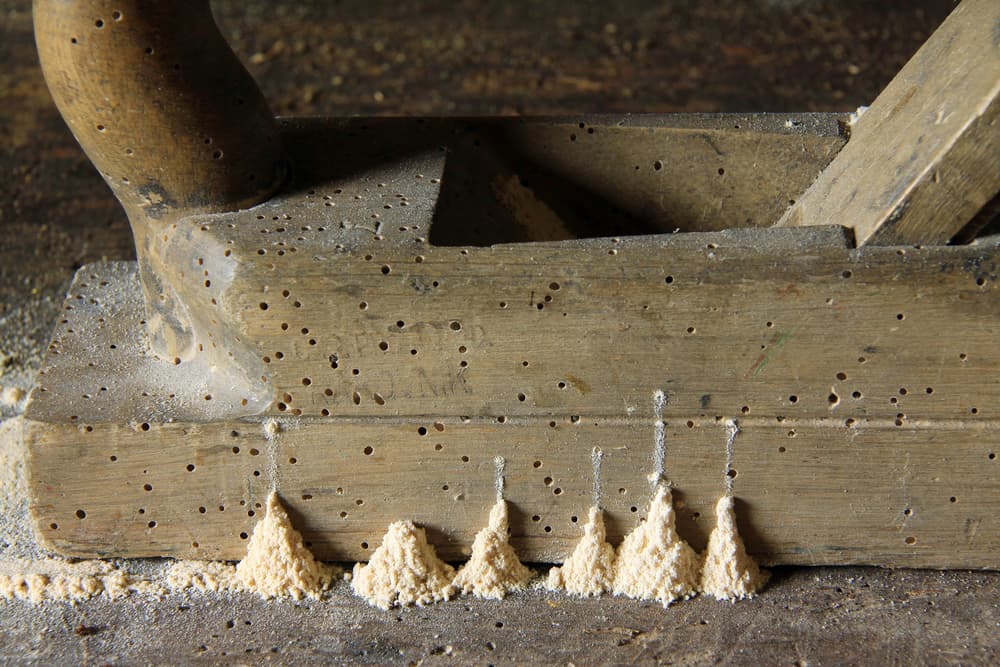
Can DIY Woodworm Treatment Work?
DIY can help with a small, surface-level problem, but woodworm often runs deeper than a shop-bought product reaches.
Off-the-shelf treatments: surface fluids can treat mild, accessible activity, but rarely penetrate deep into structural timber.
The active question: old exit holes don't mean live woodworm, and treating the wrong thing wastes time while real activity continues.
The catch: without confirming the species, extent, and any damp cause, DIY can leave an active infestation quietly working through the timber.
Old woodworm holes do not always indicate an active infestation. An inspection checks for fresh frass, timber damage and moisture issues to determine whether treatment, monitoring or specialist repairs are needed.
Where Woodworm Takes Hold
Woodworm concentrates wherever timber is bare, damp, or undisturbed, often in the parts of a property you rarely check. Common areas include:
Structural timber: floorboards, joists, roof beams, and rafters.
Hidden spaces: lofts, cellars, sub-floors, sheds, and garages with exposed wood.
Furniture and fittings: older wooden furniture, staircases, and skirting.
Brought-in wood: second-hand furniture or reclaimed timber carrying existing larvae.
Damp, poorly ventilated timber is where infestations settle and persist.
The Risks of a Woodworm Infestation
Woodworm may be small, but the damage compounds quietly and can become serious over time. Consider:
Structural damage: larvae tunnel through beams, joists, and floorboards, weakening them from within.
Weakened floors: affected floorboards and supports can become unsafe if left long enough.
Furniture loss: antique and wooden furniture can be riddled and ruined by active infestation.
Spreading activity: untreated timber lets each generation of beetles reinfest and extend the damage.
When to Call a Professional
When timber shows fresh dust, spreading holes, or signs of weakness, professional treatment is the clearest next step. Clear Pest Control assesses the full extent before treating, not just the surface you can see.
- Inspection: we check affected timber, exit holes, frass, moisture levels, and the condition of vulnerable wood.
- Active-infestation check: we confirm whether woodworm is live and which beetle is responsible.
- Targeted treatment: professional timber treatment and surface application matched to the infestation.
- Prevention advice: guidance on damp, ventilation, and timber care to stop woodworm returning.
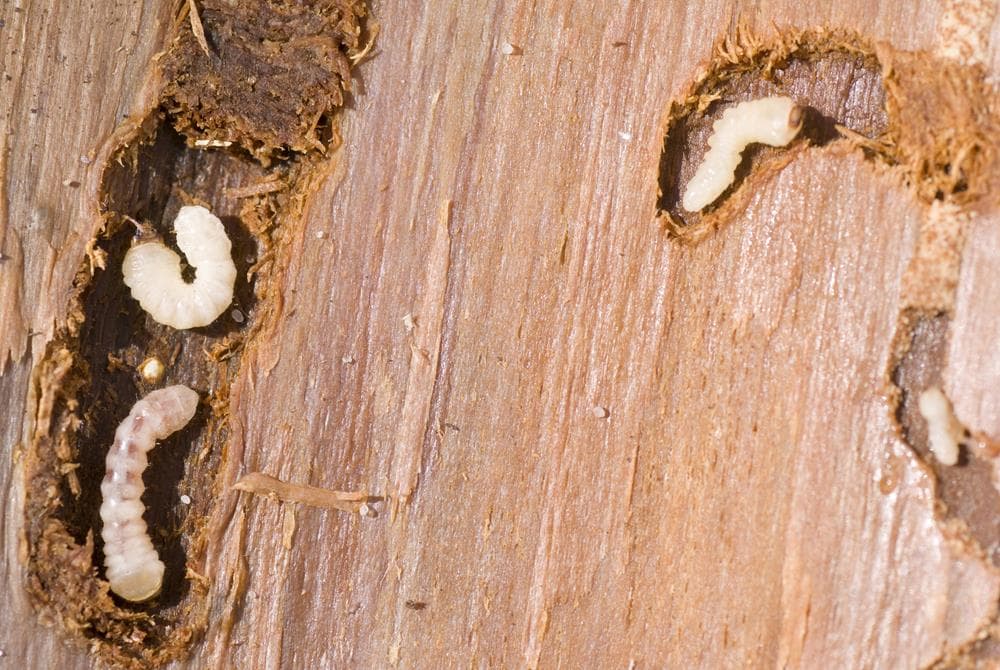
Emergency Woodworm Treatment
0191 829 9920
Prevention After Treatment
Treating woodworm is only half the job, keeping timber dry and protected is what makes it last.
- Control damp and fix leaks near timber.
- Improve ventilation in lofts, cellars, and sub-floors.
- Check second-hand furniture and reclaimed wood before bringing it in.
- Monitor treated timber for fresh dust or new hole
Woodworm Treatment in Your Area Clear Pest Control provides woodworm assessment and treatment across the North of England, including Durham, Consett and Chester-le-Street in the North; Stockport and Altrincham in Greater Manchester; and Kendal and Penrith in Cumbria.
Our technicians assess timber damage, signs of active infestation and moisture conditions before recommending treatment. For other locations, visit our Areas We Cover page.