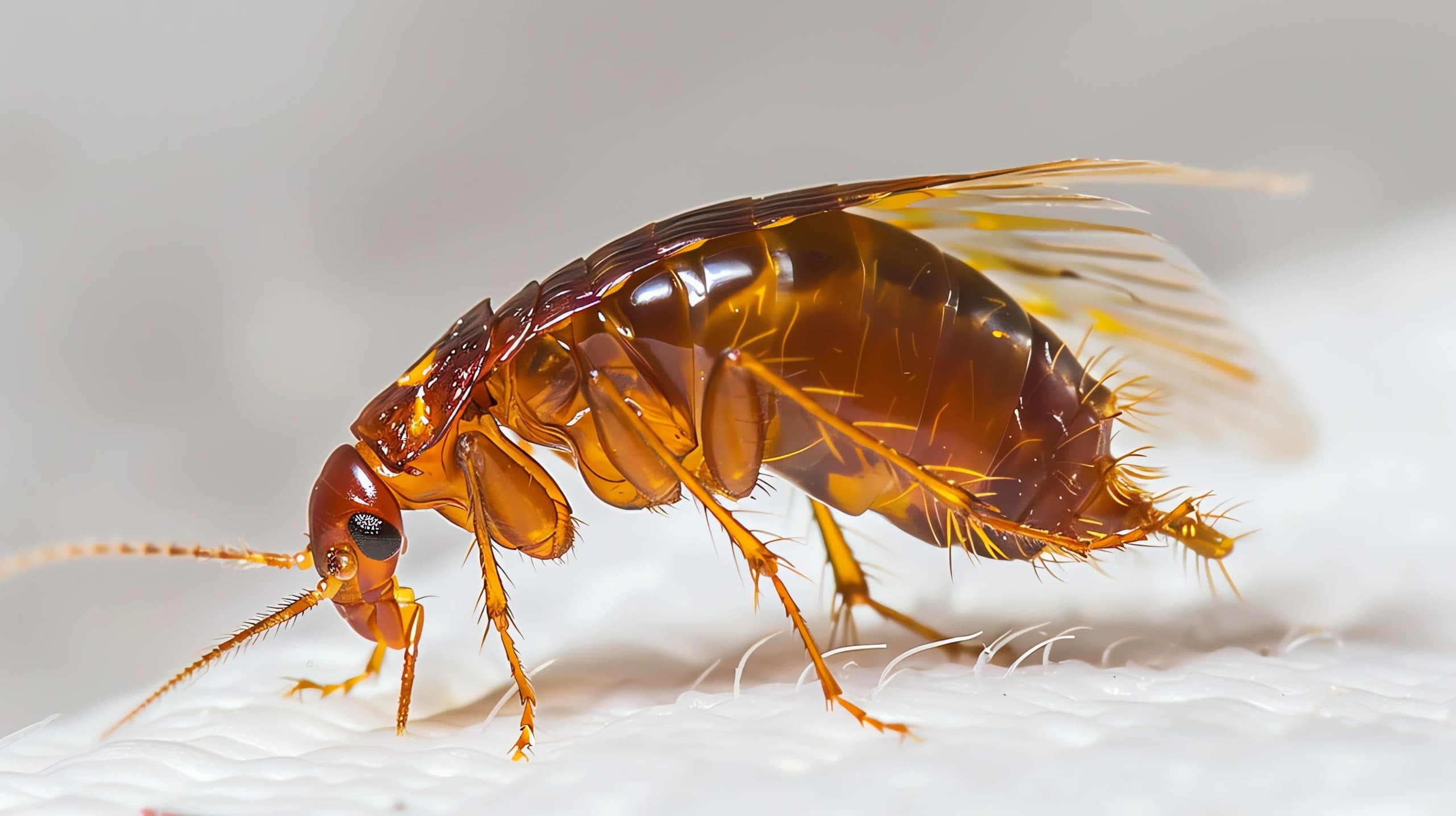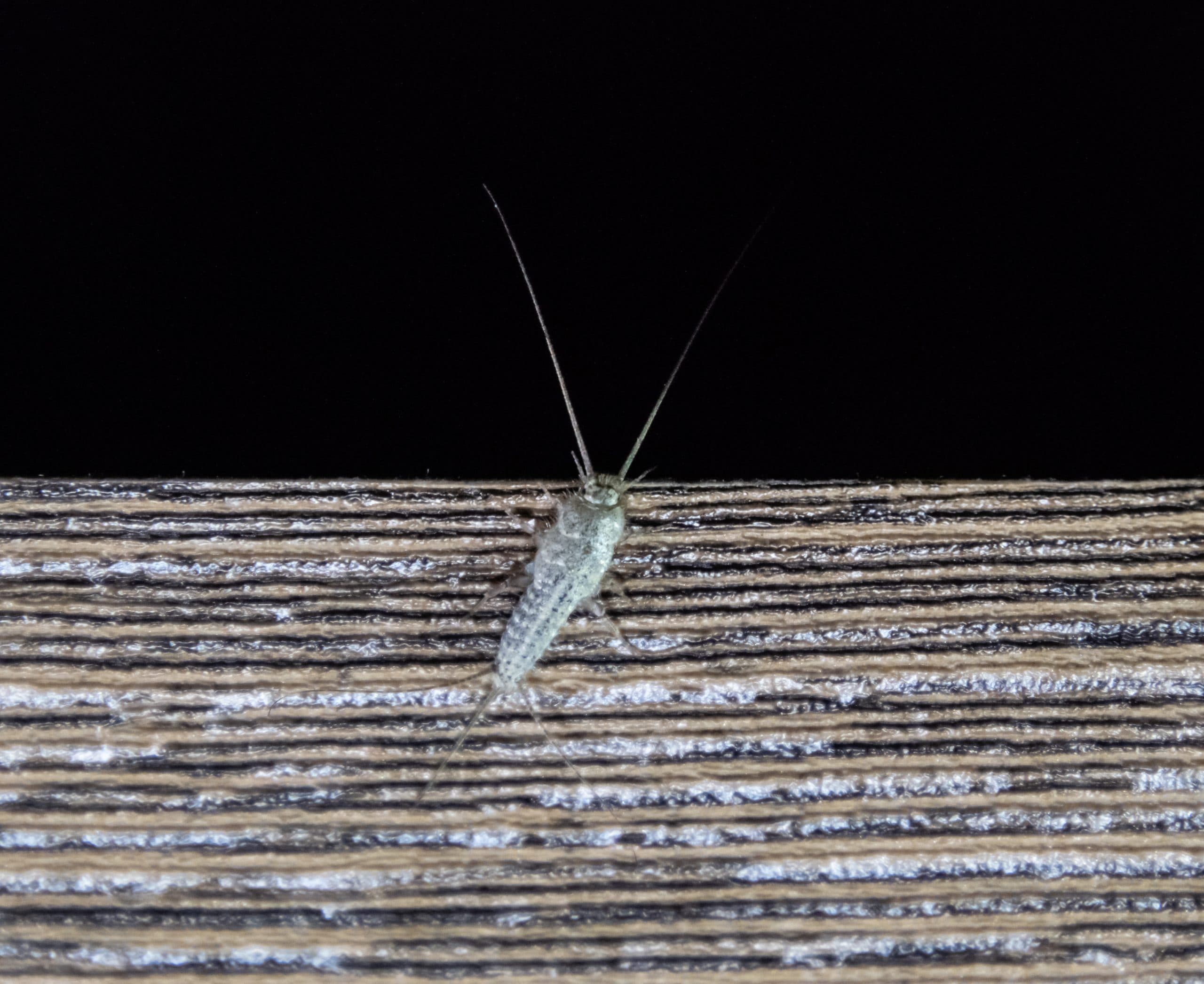
Silverfish move quickly, appear suddenly, and usually vanish into a crack before there is time to decide whether it was an insect or a tiny silver submarine.
A single sighting may not mean much. It becomes more worth checking when silverfish keep appearing in damp, dark or hidden areas, especially around bathrooms, kitchens, carpets, bedrooms, storage boxes or gaps near skirting boards.
This Clear Pest Control article explains what they are, where they hide around the home, why they can be hard to shift, and when repeated activity may be worth checking properly.
What Are Silverfish?

Image by @eleonimages
Silverfish are small, wingless insects with a silvery-grey body and a fast, wriggling movement. They are usually seen at night, when a light is switched on, or when something is moved and they rush for cover.
BPCA silverfish guidance explains that correcting persistent dampness is an important part of control, while English Heritage notes that silverfish activity is strongly linked with damp conditions and can damage paper by scraping surfaces or leaving irregular thinned edges and holes.
Silverfish are usually a sign of hidden conditions, not just one random insect on the floor. A silver fish bug is not usually dangerous to people, but repeated sightings can suggest that the home is giving them the shelter and moisture they need.
Why Do Silverfish Appear in the House?
Silverfish in the house are often noticed in places where warmth, moisture and shelter overlap. Bathrooms, kitchens, utility rooms, under-sink areas, pipe gaps and quiet corners can all give silverfish somewhere to hide during the day.
They avoid light, which is why they seem to appear and disappear so quickly. One moment they are on the tile, the next they have slipped under a skirting board like they have somewhere very important to be.
A silverfish sighting becomes more useful when it repeats in the same room or near the same hidden area. If they keep appearing around the same gap, cupboard, carpet edge or damp corner, the location may be telling you more than the insect itself.
Silver fish UK activity is often connected to indoor conditions rather than one isolated insect. Moisture, clutter, small gaps and starchy materials can all make a room more attractive.
Check the Rooms Where Silverfish Keep Appearing
Silverfish are often following moisture, darkness, food sources or shelter, where you find them usually means that it’s related to different reasons:
Kitchens
Silver fish in kitchen areas are often linked to under-sink cupboards, pipework, appliances, floor gaps and food traces. Crumbs, packaging, cardboard and hidden damp can all make kitchen spaces more suitable.
A kitchen sighting often points to moisture, food traces or gaps around cupboards and pipework. If the same area keeps producing sightings, check for leaks, condensation, wet cloths, damp packaging or dark gaps behind units.
Bathrooms
Silver fish bathroom sightings are common because bathrooms often provide warmth, humidity and plenty of hiding spaces. Baths, showers, sinks, toilets, tiles and pipe boxing can all create small cracks or damp corners.
Bathrooms suit silverfish because they are often warm, humid and full of hiding places. Improving ventilation, drying damp areas and checking seals around baths or showers can make the room less comfortable for them.
Carpets
Silver fish in carpet areas may appear along carpet edges, skirting boards, under furniture or in rooms that are not vacuumed deeply very often. The carpet itself is not always the main attraction; the edge, dust, fibres and hidden gaps can matter more.
Silverfish around carpet edges are worth checking because the hiding place matters as much as the surface. Look along skirting boards, under heavy furniture, near damp external walls and around rooms where paper, cardboard or fabric storage sits close to the floor.
Bedrooms
Silver fish in bed are not typical biting pests, and a bedroom sighting is more likely to be linked with hiding places, storage, books, cardboard, clutter or nearby moisture.
A silverfish in a bedroom is not the same as a bed bug, but repeated sightings around beds or storage should still be checked. Look under furniture, around wardrobes, beside bedside units, near book piles and close to any damp or poorly ventilated areas.
Silverfish Bugs and the Signs They Leave Behind

Image by @eleonimages
Silver fish bugs are often noticed late because they hide well. They move quickly, avoid light and spend much of their time in cracks, voids, cupboards, storage areas or undisturbed edges.
MuseumPests says in its downloadable Silverfish PDF that silverfish and firebrats are linked with warm, humid environments and dark areas with available food. The same factsheet notes that damage to paper can appear as ragged scraped areas or irregular holes, while textile damage may show through small dark droppings, scales, ground fibres or yellow staining.
The signs are often small before the activity becomes obvious. Look for repeated sightings, tiny marks on paper, disturbed stored materials, shed skins, small debris or activity around damp storage areas.
A silver fish in house issue may not leave dramatic damage straight away. The better clue is a pattern: the same rooms, the same corners, the same damp storage areas, or the same gaps producing sightings again and again.
Why Are Silverfish Hard to Shift?
Silverfish are hard to shift because the visible insect is rarely the whole problem. They hide in cracks, avoid light and can use spaces that are difficult to reach. Grey silverfish information is useful because some silverfish-like insects can be persistent indoors, especially where stable indoor conditions and cellulose-based materials support them.
The real issue is the hidden source, not just the silverfish you happen to see. Silver fish in house patterns usually need the room conditions checked as well as the insects themselves.
Silverfish pest control Newcastle may become relevant when repeated activity continues around bathrooms, kitchens, storage areas, bedrooms or carpets despite cleaning and ventilation.
Make the Home Less Attractive to Silverfish
Reducing silverfish activity starts with making the home less comfortable for them. Improve ventilation in bathrooms and kitchens, dry wet areas, check for leaks under sinks, and keep an eye on condensation around walls, floors and pipework.
Clear paper clutter, cardboard boxes and damp storage where possible. Vacuum along skirting boards, under furniture, inside cupboards and around carpet edges. These are not glamorous jobs, but silverfish are not exactly choosing the glamorous parts of the house either.
The goal is to remove the conditions that help silverfish hide, feed and return. Clear Pest Control North East can help where activity keeps coming back despite cleaning, drying and basic checks, especially if the source is hard to find.
Sealing small cracks and gaps may also help once the activity has been understood. It is usually better to find the likely source first, rather than closing random gaps and hoping for the best.
Check These Areas Before Deciding It Is a Bigger Problem

Image by @eleonimages
Before assuming the whole house has an issue, do a quick room-by-room check. Ask these questions as you check:
- Are silverfish appearing in the same room more than once? Repeated sightings are more useful than one random insect crossing the floor.
- Is there moisture nearby? Check under sinks, around baths, behind toilets, beside appliances, near pipe boxing and along walls with condensation.
- Are there gaps close to the sighting? Look along skirting boards, cracked tiles, floor edges, cupboard backs, pipe holes and small wall gaps.
- Are paper, cardboard or stored items nearby? Books, boxes, old documents, packaging and fabric storage can all make hidden areas more attractive.
- Is the area dark or rarely disturbed? Silverfish often stay out of sight until something is moved or a light is switched on.
- Are sightings spreading to other rooms? A silver fish in house pattern becomes more concerning when it moves beyond one damp corner or one storage area.
If the same conditions are still present, silverfish can keep returning even after visible insects are removed.
When Do Silverfish Become a Problem?
Silverfish become a problem when sightings repeat, spread between rooms or point to hidden damp and shelter. One insect in a bathroom may not mean much. Several sightings in the same area over time are more useful to investigate.
Silver fish in house problems are more likely when insects keep appearing near bathrooms, kitchens, storage areas, bedrooms, carpet edges or rooms with poor ventilation.
A search for silverfish control near me often starts when the visible insects keep coming back and the source is hard to find. At that point, the useful question is not only “how do I remove them?” but “what conditions are helping them stay?”
Silverfish become a problem when the pattern keeps repeating, not just when one insect appears.
Contact Clear Pest Control if Silverfish Keep Returning
Repeated silverfish sightings can be linked to moisture, gaps, stored materials or hidden areas that are easy to miss. A professional check can help narrow down the likely source and explain the next sensible step.
For quick advice, contact Clear Pest Control on 0191 829 9920. The team can help talk through what you are seeing, where the activity is appearing, and whether the signs suggest a silverfish problem that needs closer attention.
FAQs
What are silver fish?
Silverfish are small, wingless, silvery insects that move quickly and usually hide in dark, damp places. They are often seen at night or when a light is switched on.
Are silverfish bugs dangerous?
Silverfish bugs are not usually dangerous to people and are not typical biting pests. Repeated sightings are more useful as a sign of moisture, shelter or hidden activity.
Why do I have silverfish in the kitchen?
Silverfish may appear in the kitchen because of moisture, crumbs, packaging, pipe gaps and dark spaces under sinks or behind appliances.
Why do I see silverfish in the bathroom?
Bathrooms often have humidity, condensation, pipework gaps and dark corners, which can make them attractive to silverfish.
Can silverfish live on carpet?
Silverfish may appear around carpet edges, skirting boards and under furniture, especially where dust, fibres, paper or damp conditions are present. They are usually linked more to hidden gaps and conditions than to the carpet itself.
Can silverfish get in bed?
Silverfish may appear near beds if the room has hiding places, cardboard, books, storage or moisture nearby. They are not the same as bed bugs and are not typical biting pests.
Why are silverfish hard to shift?
Silverfish are hard to shift because they hide in cracks, avoid light and often return if moisture, clutter or gaps remain.