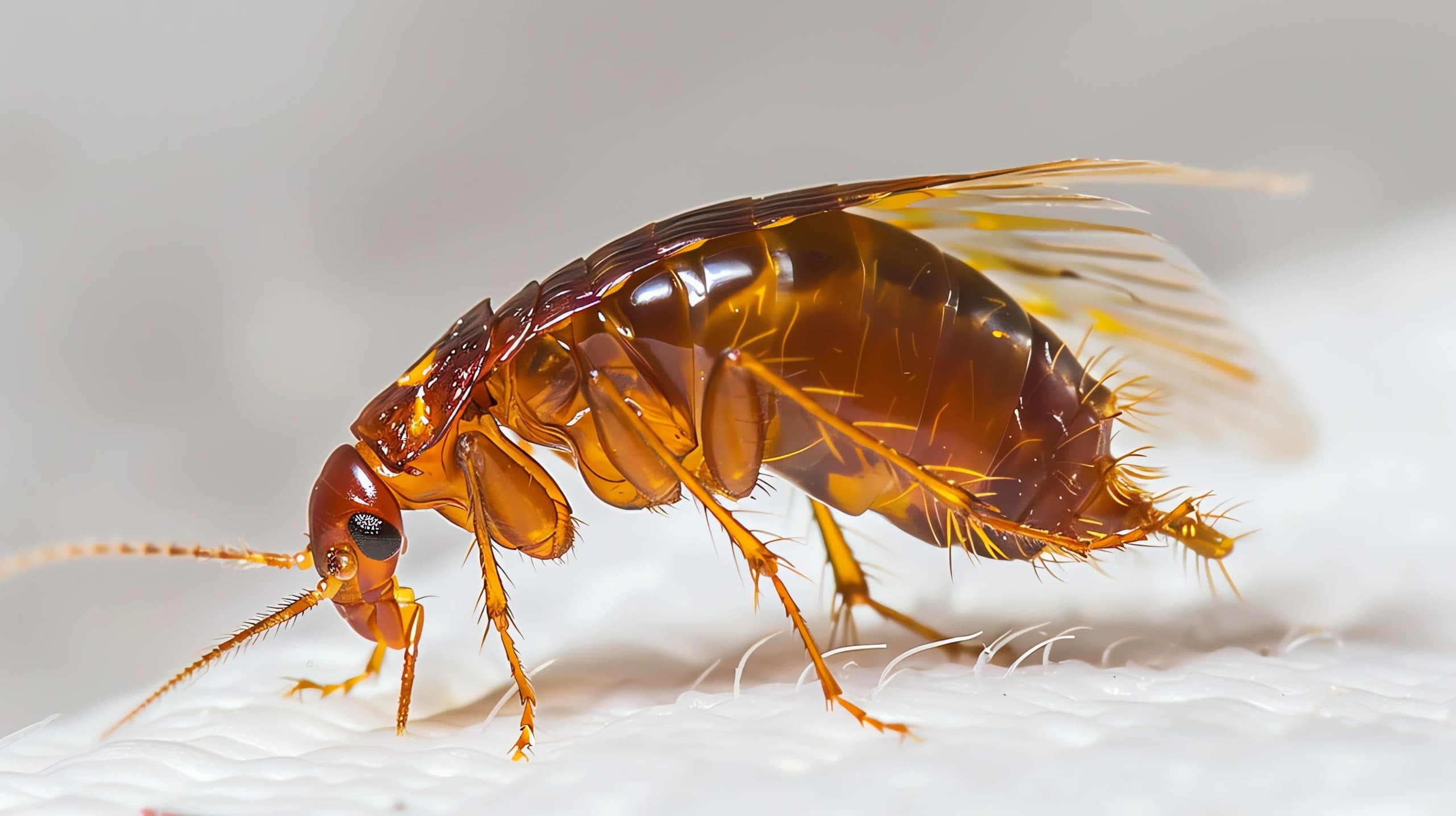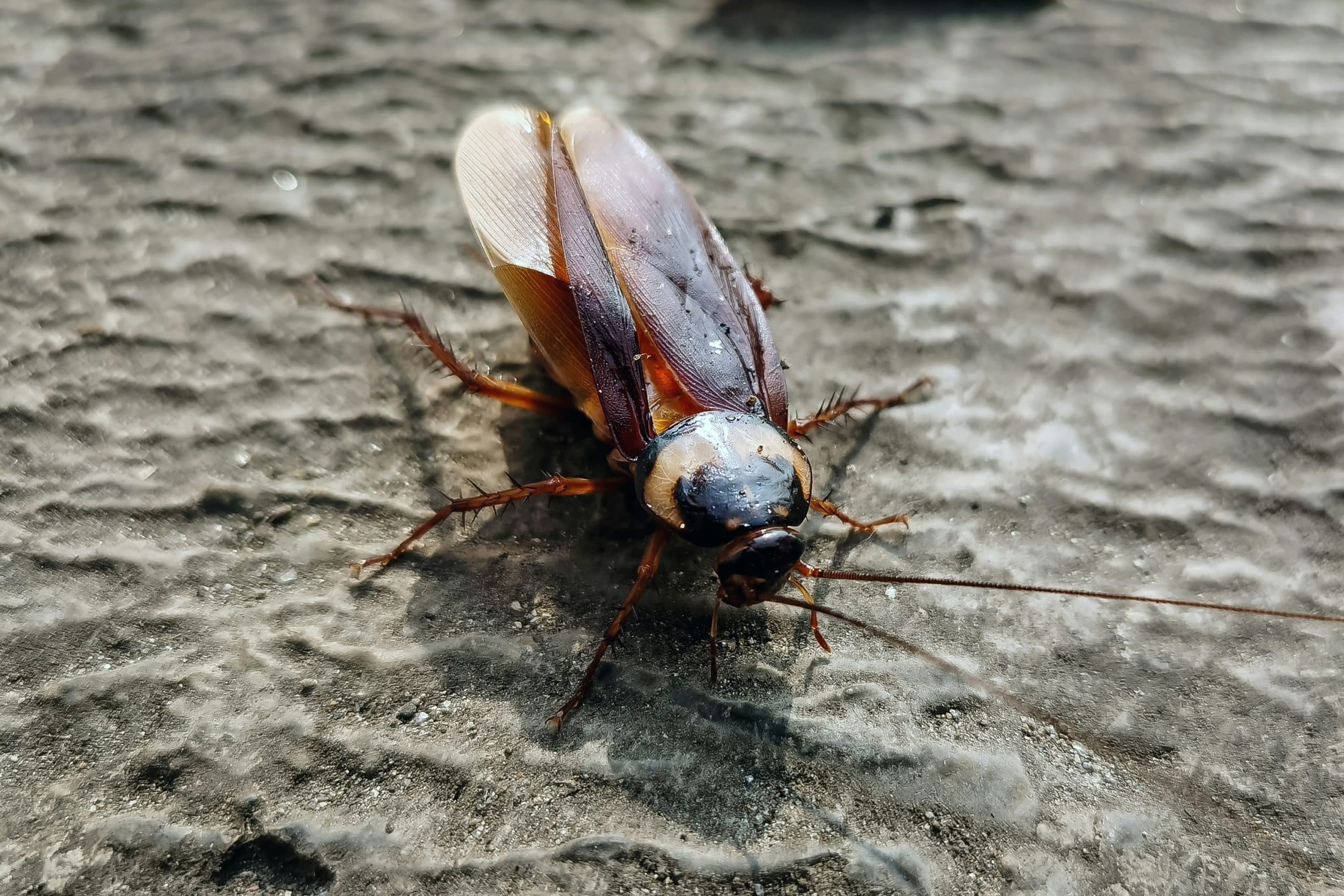
The cockroach running across your kitchen floor at midnight may not have arrived that night.
A single cockroach egg case can release around 30 or more nymphs, and those young cockroaches can reach maturity in roughly six to 12 weeks when conditions suit them. Much of that development can happen behind an appliance, around pipework or inside another narrow hiding place before you see the first insect.
This article by Clear Pest Control explains where these insects come from, what attracts them and how the evidence they leave behind can help you find where an infestation is centred.
What Causes a Cockroach Infestation?

An infestation begins when cockroaches gain access to a property and find enough food, water and shelter to survive.
Poor cleaning can make the environment more rewarding, but it is not the only way activity begins. Cockroaches can be carried indoors inside used appliances, enter through service routes or move between connected parts of a building.
German cockroaches commonly favour warm, humid areas. The spaces behind appliances, around pipework and near sinks can provide ideal conditions. Oriental cockroaches are more strongly associated with cooler, damp areas such as drains and basements. [1]
Once suitable shelter sits close to food and water, the insects can remain hidden while breeding.
The condition of the whole kitchen is less useful than the condition of the small space where the activity is concentrated.
A clean worktop does not tell you what is happening behind the fridge.
Where Do Cockroaches Come From?
There is no single route.
Some enter buildings through drains, gaps around utility lines and connected service routes. BPCA describes movement from sewers and drains into buildings and identifies pipework, heating ducts and similar concealed areas as places to investigate.[1]
Others are carried inside.
A second-hand fridge or freezer can provide transport because the insects can hide around warm motor compartments and other inaccessible parts. BPCA recommends inspecting and cleaning used kitchen appliances before bringing them indoors.
The source can also sit elsewhere in a connected building. Blocks of flats, hotels and other properties with shared service routes give cockroaches ways to travel without crossing an obvious open doorway.
Newcastle City Council identifies cracks around sinks, drains, cookers and the backs of service ducts as common hiding areas. [2]
The room where you see the cockroach may be the end of its route, not where the infestation started.
For cockroach pest control Newcastle enquiries involving connected kitchens or bathrooms, the inspection may need to extend beyond the first room and follow the hidden service routes.
How Do Cockroaches Get Into a House?
Cockroaches do not need a dramatic hole in the wall.
Their flattened bodies allow them to squeeze through very small openings. BPCA says some cockroaches can pass through gaps measuring around one-quarter of their body size. [1]
Openings around pipes and utility lines can therefore matter. So can worn door seals, damaged surfaces and routes connecting one part of a building with another.
The journey does not always begin outdoors. A cockroach hidden inside an appliance can arrive directly in the kitchen. In a connected building, another flat or commercial unit may already be supporting activity.
If you are asking how do you get cockroaches, start by thinking about what changed before the first sighting. A recently introduced appliance, plumbing work or activity in an adjoining property may be more revealing than searching every outside wall.
What Attracts Cockroaches?

Cockroaches stay where survival is easy.
BPCA describes food, water and dark hiding places as the basic conditions that create a suitable environment. The problem becomes stronger when those things sit close together. [1]
Food
Cockroaches are not fussy feeders.
They can survive on small amounts of residue, particularly when it remains available overnight. Grease beneath an appliance or crumbs pushed under a kitchen unit may matter more than the food you can see on the worktop.
Pet food, dirty dishes and waste can also keep feeding routes active.
A kitchen does not have to look filthy to provide enough.
They do not need a dirty house. They need food they can reach while the house is quiet.
Moisture
Water deserves just as much attention as food.
Cockroaches can survive for several months without food but only a few days without water. BPCA advises checking for leaks and other moisture sources around sinks and pipework. [1]
That makes a slow leak beneath a sink surprisingly valuable to an infestation. Condensation around a service area or persistent damp near an appliance can have a similar effect.
The crumb feeds them. The leaking pipe may be what lets them stay.
Warmth
German cockroaches favour warm and humid conditions.
The motor behind a fridge, freezer or cooker can create a warm pocket that remains stable even when the room cools down. BPCA identifies areas around appliance motors as common German cockroach harbourages.
Warmth alone is not enough. The problem becomes stronger when the appliance also sits beside food debris, moisture and a narrow hiding place.
Shelter
Cockroaches spend much of the day out of sight.
They can squeeze into cracks, gaps around cupboard fittings and the spaces behind appliances. Service ducts and pipe routes can provide shelter while allowing movement between rooms.
The open floor is where you notice the cockroach. The narrow gap is where it would rather spend the day.
Why Kitchens Become Cockroach Hotspots
Kitchens can put almost everything cockroaches need within a few metres.
There is food. Water sits around sinks and appliances. Motors produce warmth. Cupboards and fixed units provide dark gaps where activity can remain hidden.
Accessible food and concealed spaces can support other pest problems as well, and mice in kitchens may exploit gaps around units, pipework and areas where food is stored.
BPCA advises checking around fridges, ovens, pipes and sinks when investigating an infestation. [1]
The back of a fridge is a good example. The motor provides warmth, food particles may collect underneath and condensation can provide moisture. The space behind the appliance also remains dark and undisturbed.
That combination explains why cockroaches in house kitchens can remain hidden for weeks before the first clear sighting.
A kitchen is attractive because several survival needs overlap in the same small space.
However, seeing a cockroach there does not prove the infestation began there. Connected pipes, ducts or adjoining rooms may still be feeding the activity.
Bathrooms, Drains and Service Areas

A property can support cockroaches even when very little food is available in the room where they appear.
Bathrooms and service areas provide moisture, pipe routes and sheltered gaps.
Moist conditions can attract other household pests too, which is why silverfish around damp areas may sometimes be noticed in bathrooms and other humid parts of a property.
Species also changes the picture. German cockroaches favour higher temperatures and humidity, while Oriental cockroaches are more strongly associated with cooler, damp environments such as drains and basements. [1]
That is why activity beneath a bathroom sink should not automatically be interpreted in the same way as activity behind a warm commercial fridge.
The species and harbourage point the investigation in different directions.
Why Do Cockroaches Suddenly Appear?
Cockroaches can appear suddenly for several reasons. A new arrival is only one of them.
The first possibility is simple visibility.
Cockroaches are nocturnal. Newcastle City Council says they commonly spend daylight hours hidden around sinks, drains, cookers and service ducts, with sightings often happening after lights are switched on at night. [2]
You may have reached the point where hidden activity is finally crossing your path.
Breeding can also change the pattern quickly. One German cockroach egg case can release around 30 or more young, creating a noticeable increase without dozens of adults having entered from outside. [1]
Something around the property may also have changed. A new leak can improve access to water. An appliance may have been moved and disturbed a harbourage. Food may have become easier to reach overnight.
The insects may also be recent arrivals, particularly where a used appliance or delivery has just been introduced.
A sudden sighting can mean new cockroaches. It can also mean an older infestation has finally become difficult to hide.
The Species Can Point Towards the Cause
You do not need a long species lesson to investigate the cause, but identification can narrow the search.
German cockroaches tend to favour warm, humid areas and are often associated with appliances, kitchens and heated service spaces.
Oriental cockroaches are larger and more strongly linked with cool, damp environments such as drains and basements. BPCA identifies these as two of the cockroach species most commonly encountered as UK pests. [1]
The important point is simple:
Different cockroaches favour different harbourages, so the species can help explain where to look next.
For a broader look at the cockroach species found in the UK, including how common they are and which types are most likely to appear indoors, see our dedicated UK cockroach guide.
What the Signs of Cockroaches Reveal
A live cockroach confirms activity.
The signs of cockroaches left behind can sometimes tell you more about where that activity is concentrated. BPCA lists droppings, egg cases, shed skins, odour and damage to food or packaging among the main warning signs.[1]
The Food Standards Agency also identifies egg cases, moulted skins, droppings and the insects themselves as evidence that should be investigated. [4]
Cockroach Droppings
The poop signs of cockroaches usually appear as small, dark specks.
Middlesbrough Council lists small black droppings among the common signs of cockroaches in a home, alongside a musty smell. [3]
Cockroach droppings are useful because they remain after the insect has returned to hiding. Their location matters as much as their appearance.
Droppings repeatedly appearing behind the same appliance or beside pipework give you somewhere useful to investigate. Scattered signs across connected areas may suggest that the insects are moving more widely.
For pest control Middlesbrough enquiries involving fresh droppings behind cookers, fridges or pipe routes, the inspection should focus on the hidden harbourage rather than the spot where one adult happened to be seen.
Egg Cases
An egg case can be more revealing than a single roaming adult.
German cockroaches carry their egg case until the nymphs are close to hatching. Oriental cockroaches deposit theirs in protected, dark crevices before hatching takes place. [1]
Finding an egg case gives you a reason to inspect the surrounding cracks and sheltered areas carefully.
One adult tells you a cockroach reached the room. Breeding evidence tells you to look for where the infestation is established.
Shed Skins
Young cockroaches shed their skins several times while developing.
Several skins gathering inside the same cupboard void or appliance area suggest that nymphs have been spending time there rather than simply passing through.
Shed skins are recognised by both BPCA and the Food Standards Agency as evidence of cockroach activity. [1] [4]
Odour
A larger infestation can produce a noticeable smell.
Newcastle City Council describes an unpleasant almond-like odour where cockroach numbers are high, while Middlesbrough Council warns of a musty smell. [2] [3]
Smell alone is not enough to locate an infestation. When it appears alongside droppings, skins and night-time sightings, the evidence becomes much stronger.
Why Do Cockroaches Keep Returning After Cleaning?

Cleaning is useful. It removes food and makes fresh evidence easier to spot.
But cleaning does not automatically remove the reason the cockroaches reached the room.
A service gap can remain open. A leak can continue. Egg cases can sit inside a crack that a cloth never reaches. Cockroaches may also be moving through an adjoining part of the building.
BPCA treats hygiene, proofing, water reduction and harbourage control as connected parts of cockroach management. Sticky traps can help monitor activity, but they are not considered a complete control method. [1]
Cleaning changes the food supply. It does not tell you where the cockroaches came from.
That is why a spotless kitchen can still produce another sighting if the harbourage remains active behind a unit.
How to Trace the Source
Do not begin with the room name.
Begin with where the evidence repeats.
Droppings behind a fridge should lead you towards the appliance, the floor beneath it and any nearby service routes.
Activity around a sink should make you check for moisture and gaps around pipework.
Cockroaches repeatedly appearing beside the same cupboard wall may be emerging from a void behind it rather than breeding inside the cupboard.
Think back to recent changes too. If the first sighting followed the arrival of a used appliance, inspect the item and the surrounding space.
Monitoring traps can help reveal which areas are most active, but they should be used to map the pattern rather than treated as the solution. BPCA recommends sticky traps for monitoring, not as the main control method. [1]
Clear Pest Control pest advice starts with the route: where the evidence concentrates, which survival need is available there and what hidden space connects those points.
If food has been secured and an obvious leak has been corrected but activity continues, pest control stockton on tees support may need to investigate the harbourage or connected route rather than simply clean the room again.
Can You Correct the Conditions Yourself?
You can reduce some of the conditions supporting an infestation while tracing where the activity is centred.
- Clean beneath and behind accessible appliances, not only the exposed worktops.
- Keep food in closed containers and remove crumbs or spills promptly.
- Avoid leaving pet food available overnight.
- Repair accessible leaks around sinks and appliances.
- Check gaps around pipework and utility routes.
- Inspect second-hand kitchen appliances before bringing them into the property.
- Record where fresh droppings or live insects keep returning.
- Use monitoring traps to trace activity, not as a complete treatment.
These steps make the environment less rewarding and give you a clearer picture of where fresh evidence is appearing.
They cannot confirm that every egg case, nymph or hidden harbourage has been reached. That becomes particularly important in flats, commercial kitchens and buildings where service ducts connect several areas.
Why Cockroaches Need Prompt Attention

Cockroaches can travel between drains, waste areas, food stores and preparation surfaces.
BPCA warns that they can carry organisms linked with food poisoning and contaminate food, utensils and preparation areas while foraging. [1]
The Food Standards Agency advises food businesses to check regularly for pests and act immediately when signs of an infestation are found. Food believed to have been touched by pests should be discarded, while affected equipment and surfaces should be properly cleaned and disinfected. [4]
That makes repeated activity particularly serious in kitchens, food businesses and shared accommodation.
The issue is not only the cockroach you can see. It is where that insect has travelled before crossing the room.
Dealing with pest activity in these environments requires careful identification of both the pest and the areas it may have affected, an approach followed by our experienced pest control team across the North East.
When a Hidden Infestation Needs Professional Help
Professional help becomes more useful when cockroaches continue appearing after food and water have been controlled, several life stages are present or the main activity sits inside inaccessible ducts or appliance voids.
Seeing adults alongside nymphs, shed skins and egg cases is very different from finding one unidentified insect beside an open door.
The same applies when evidence appears across several rooms. Control is rarely straightforward because treatments must reach the hidden harbourages while accounting for nymphs that may hatch later. BPCA recommends a systematic survey before the appropriate treatment is selected. [1]
Contact Clear Pest Control when cockroaches are appearing repeatedly, breeding evidence is present or the source cannot be reached safely.
FAQs
Does One Cockroach Mean You Have an Infestation?
Not automatically.
One cockroach confirms that the insect reached the room, but repeated sightings, nymphs, egg cases, droppings or shed skins make an established infestation much more likely.
Where Do Cockroaches Come From?
Cockroaches can move through drains, service routes and gaps around a building.
They can also be carried indoors inside second-hand kitchen appliances, packaging or deliveries. In connected buildings, they may travel through shared voids and pipe routes.
What Attracts Cockroaches?
Food, moisture, warmth and dark shelter create suitable conditions.
German cockroaches particularly favour warm, humid areas, while Oriental cockroaches are more commonly associated with cooler, damp spaces.
How Do You Get Cockroaches?
An infestation can begin when cockroaches enter through a structural route or are carried into the property.
If food, water and shelter are available, they can remain concealed and begin breeding.
Why Do Cockroaches Suddenly Appear?
They may already have been present in hidden areas and only recently become visible.
An egg case may also have hatched, a harbourage may have been disturbed or a used appliance may have introduced cockroaches into the property.
What Are the Main Signs of Cockroaches?
Look for night-time sightings, dark droppings, egg cases, shed skins and an unusual smell around areas where activity is concentrated.
Evidence appearing repeatedly in one place is more useful than a single isolated mark or insect.
What Do Cockroach Droppings Look Like?
Cockroach droppings often appear as small, dark specks.
Their location is as useful as their appearance. Fresh droppings behind an appliance or near pipework can point towards a regular harbourage or movement route.
Can Cockroaches Come Through Drains?
Yes.
Some cockroach activity is associated with drains and connected service routes. Oriental cockroaches particularly favour cooler, damp areas, while other species can move into buildings from sewers and drains. [1]
Why Are Cockroaches Still Appearing After Cleaning?
Cleaning removes accessible food, but an infestation can continue if water, egg cases, harbourages or movement routes remain.
The source may sit behind an appliance or in another connected area that ordinary cleaning does not reach.
Can a Second-Hand Fridge Bring Cockroaches Into the House?
Yes.
Cockroaches can hide around the warm motor and inaccessible parts of a fridge or freezer. Used appliances should be inspected and cleaned carefully before being brought indoors. [1]
Sources
[1] British Pest Control Association — Pest Advice for Controlling Cockroaches
[2] Newcastle City Council — Cockroaches
[3] Middlesbrough Council — Cockroaches
[4] Food Standards Agency — Safer Food, Better Business: Pest Control