Finding tiny holes in furniture, floorboards or beams can be confusing. They may be old marks, signs of past activity, or a clue that something is still happening inside the timber. Woodworm is not always obvious at first, which is why a calm check is more useful than guessing.
The real question is whether the signs are old or active. Fresh dust, new-looking holes, weak timber, damaged furniture or small beetles near wooden areas can all help build the picture. The hole itself matters, but it is rarely the whole story.
This article by Clear Pest Control explains what woodworm is, what a woodworm beetle can mean, how to recognise signs of woodworm in furniture, and when old holes may need closer inspection.
What Is Woodworm?

Image by @microstock1
Woodworm is the common name for the larval stage of wood-boring beetles. The larvae feed inside timber, then adult beetles eventually emerge and leave small exit holes behind.
The common furniture beetle, Anobium punctatum, is one of the beetles most often linked with woodworm in UK homes. That matters because woodworm is not one single worm species; it is the name commonly used for the timber-feeding larval stage of wood-boring beetles.
Woodworm is usually hidden larval activity inside timber, not a surface insect you can easily spot. By the time holes are visible, the insect may already have emerged, so the next step is to check whether there are fresh signs nearby.
Woodworm Appearance and Visible Clues
Most people do not see the larvae because they are hidden inside the timber. Instead, they notice small round holes, fine powder, weakened wood, damaged edges or adult beetles appearing near windowsills, furniture or old timber.
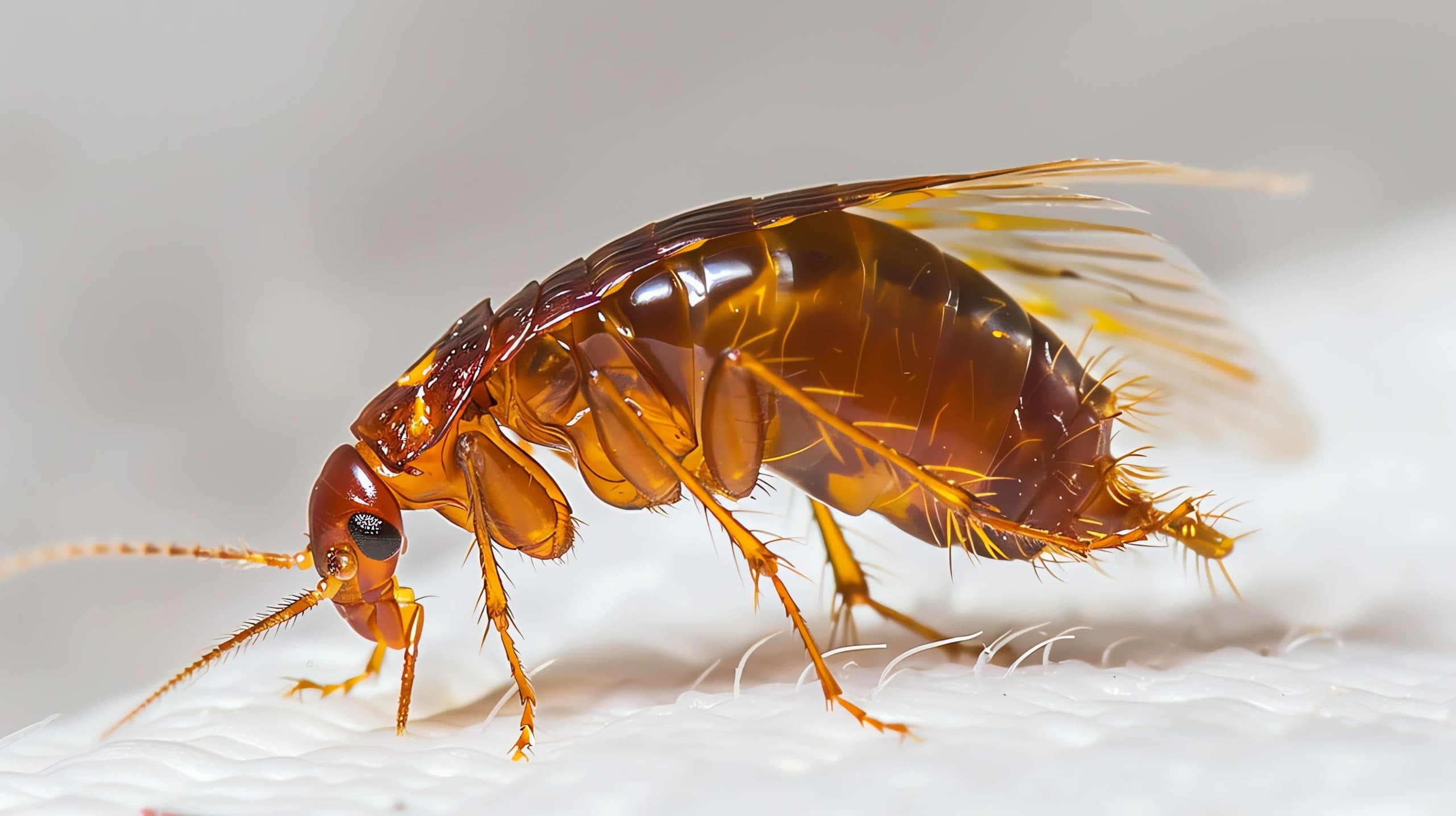
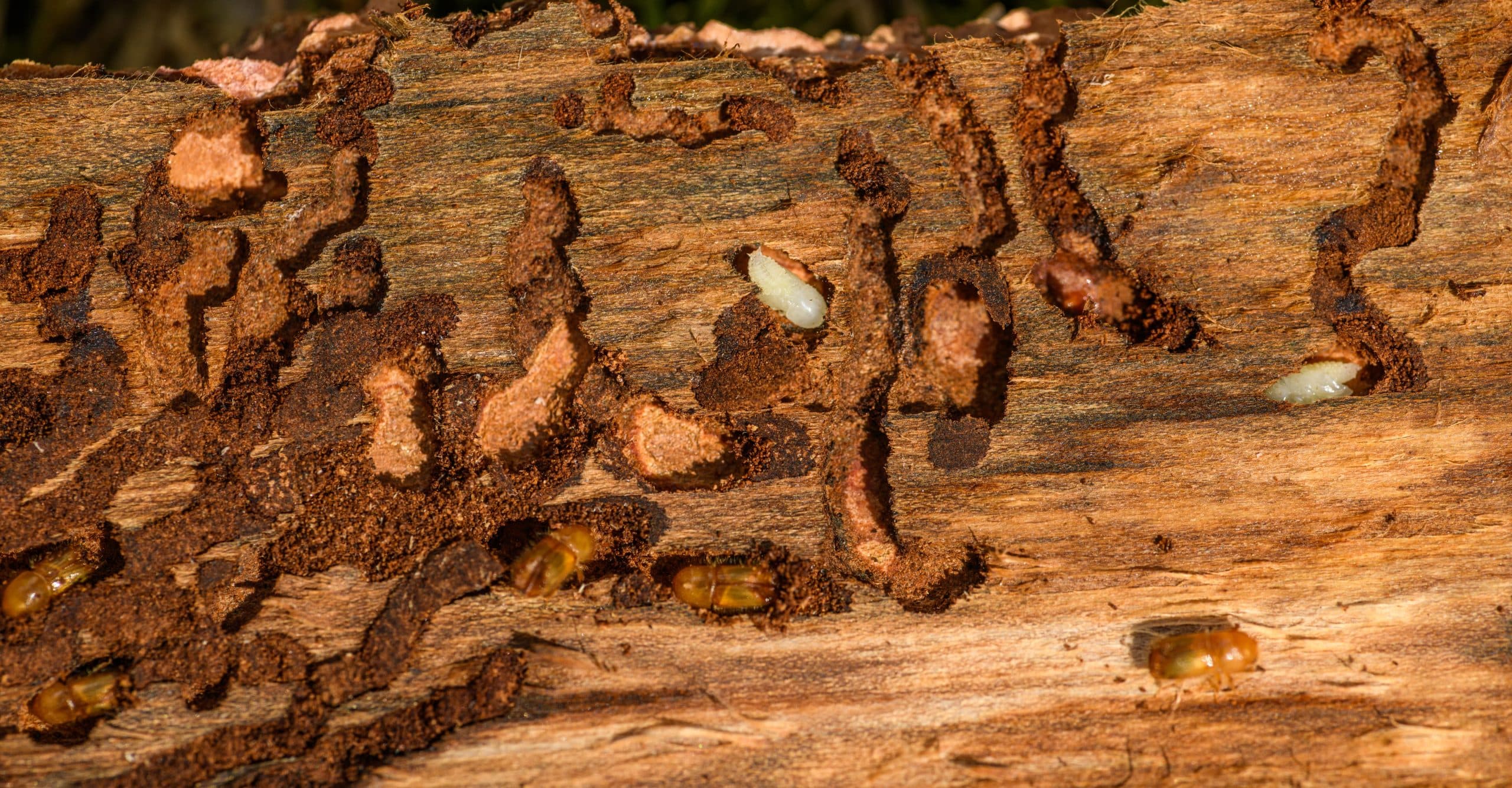
What does woodworm look like? In many homes, woodworm is noticed through evidence rather than the insect itself. A woodworm beetle is usually small and easy to miss unless it appears on or near affected wood, while the more useful clues are exit holes, powdery frass, soft timber or tunnels visible in broken pieces.
Most people spot the evidence before they spot the insect. That is why it is important to look at the whole area, not just one hole.
Check the Signs Before Assuming It Is Active
Start by looking for signs of woodworm around the affected area. Small round holes can be part of the picture, but fresh powder, new-looking holes, soft timber, crumbling edges, tunnels in broken wood or beetles appearing nearby can tell you more.
Building Conservation’s woodworm guide explains why old flight holes do not automatically mean active infestation. It also points to the importance of fresh bore dust, timber condition and the wider setting of the damage.
Fresh evidence matters more than the hole alone. An old woodworm hole in a chair, beam or floorboard may simply show past activity. Powder appearing beneath the same area after cleaning is more worth checking.
Signs of Woodworm in Furniture
Signs of woodworm in furniture can include small round holes, fine dust beneath the item, weak legs, damaged drawer edges, soft sections or crumbling joints. Older chairs, wardrobes, tables, drawers and antique pieces are often where people first notice the issue.
Check the whole item, not only the front face. Furniture should be inspected underneath, behind, inside drawers and around joints, because activity can be hidden where the wood is darker, softer or less disturbed.
MuseumPests’ identification resources are useful because museum and collection settings often deal with woodworm in wooden objects, where hidden larval activity, holes and frass can matter before the damage looks serious.
Check furniture from every side, especially if the item is old, second-hand, stored in a garage, or kept in a damp space. If fresh powder appears beneath the same furniture after cleaning, it may be more than historic marking.
Woodworm Frass, Droppings and Fresh Dust
Woodworm frass is the fine, powdery waste linked with wood-boring insect activity. It is often described as dust, sawdust, powder or woodworm droppings, especially when it appears below holes or along timber edges.
Fresh frass can be a useful clue because it may suggest recent movement or emergence. Old dust is less reliable, especially if furniture has been moved, a room has been renovated, or debris has been sitting in cracks for years.
Fresh powder is more useful than old dust that may have been sitting there unnoticed. Clean the area, avoid disturbing the timber too much, and check whether more powder appears in the same place.
If woodworm frass keeps returning below holes or weak timber, the signs are more worth investigating. If there is only old dust with no new change, the damage may be historic.
Old Woodworm Holes and Active Damage

Image by @ivolga27
An old woodworm hole is a past exit hole left by an adult beetle. It may look concerning, especially on older furniture or beams, but it does not automatically mean insects are still active inside the timber.
Active damage is more likely when there are fresh holes, new powder, soft wood, crumbling edges, beetles emerging nearby, or signs that the timber is weakening. The condition of the wood matters as much as the number of holes.
An old hole shows that activity happened at some point; fresh frass, new-looking holes or changing damage are what make it more concerning. This is especially important in older homes, where beams, floorboards or furniture may have carried marks for decades.
Woodworm Inspection Checklist for the Home
Before assuming timber needs treatment, check whether the signs look old, fresh or still changing. These questions can help you inspect the affected timber more carefully:
- Are the holes small, round and clustered in one area? Exit holes can be a sign of past beetle emergence, especially in older wood.
- Is there fresh powder below the holes? New dust or frass is more useful than dust that may have been sitting there for years.
- Does the timber feel soft, crumbly or weak? Damage matters more when the wood itself is losing strength.
- Are there beetles near windowsills, furniture or timber? Adult beetles may move towards light after emerging.
- Has the affected furniture been stored in a damp shed, garage or loft? Storage conditions can make wood more vulnerable.
- Are the signs in important timber, such as beams, stairs or floorboards? Structural or heavily used timber should be checked more carefully.
- Do the signs keep returning after cleaning? Reappearing frass or new marks are stronger clues than one old hole.
Old holes can show past woodworm activity, but fresh dust, new marks or weakening timber after cleaning are stronger signs that the problem may still be active.
Hidden Damage From Woodworm Larvae
Woodworm larvae are the stage that feed inside timber. Adult beetles are usually more visible when they emerge, but much of the damage can happen before anyone sees an insect at all.
The larvae create tunnels as they feed. The surface may look mostly normal until exit holes appear, powder collects, or the wood begins to weaken. That is why woodworm can feel like a hidden problem rather than an obvious one.
The quiet larval stage is usually more important than the beetle you might see later. If the wood is important, decorative, old or structural, it is worth checking the signs properly rather than assuming the visible beetle is the whole issue.
Make Timber Less Attractive to Woodworm
Woodworm risk is often linked to timber condition, not only the beetle itself. Damp, poorly ventilated or neglected timber can be more vulnerable, especially in lofts, cellars, sheds, garages, floor voids, old furniture and stored wood.
Reduce damp where possible, improve ventilation, check leaks, and avoid storing wooden items directly in damp spaces. If furniture has been kept in a garage, shed or loft for a long time, inspect it before moving it into living areas.
Dry, well-ventilated timber is less inviting than damp, hidden or neglected wood. Do not simply paint, varnish or cover suspicious timber without checking whether there are fresh signs underneath.
When Should Woodworm Be Checked Professionally?

Image by @nepix
Professional advice is sensible when the signs look fresh, repeated or connected to important timber. Fresh frass, new-looking holes, weak timber, beetles near wooden areas, or damage in floors, stairs, beams or roof timbers should not be ignored.
A search for woodworm control near me often starts when the same signs keep returning and it is hard to tell whether the damage is old or active. That is usually the right point to stop guessing and get the timber checked.
Professional advice is most useful when it helps confirm whether the damage is active, historic or linked to another timber condition.
Contact Clear Pest Control About Woodworm Signs
Contact Clear Pest Control if you have found fresh holes, powdery frass, weak timber or signs of woodworm in furniture and want advice on whether the issue may be active.
If you are looking for woodworm control near me, clear photos of the holes, dust and affected timber can make the first conversation more useful. The team can help talk through what you are seeing and advise whether the signs need closer inspection.
The sooner fresh activity is checked, the easier it is to protect furniture and timber before damage develops further.
FAQs
What is woodworm?
Woodworm is the common name for the larval stage of wood-boring beetles. The larvae feed inside timber before adult beetles emerge and leave small exit holes.
What does woodworm look like?
Most people notice the evidence before the insect itself. Woodworm signs can include small round holes, fine powder, weak timber, crumbling edges or adult beetles near wooden areas.
What are the main signs of woodworm?
Common signs of woodworm include small exit holes, fresh powder, weak or crumbly timber, beetles near wood, and tunnels visible in damaged timber.
What are signs of woodworm in furniture?
Signs of woodworm in furniture include small holes, fresh dust underneath, weak joints, crumbling timber, damaged drawer edges or activity around hidden parts of the item.
What is an old woodworm hole?
An old woodworm hole is a past exit hole left by an adult beetle. It does not always mean current activity unless there is fresh dust, new holes or weakening timber.
What are woodworm droppings?
Woodworm droppings are usually described as fine powder, bore dust or frass. They may appear near holes, below furniture or along timber edges.
What is woodworm frass?
Woodworm frass is the powdery waste linked with wood-boring beetle activity. Fresh frass can be a useful sign that timber may need closer inspection.
Are woodworm larvae visible?
Woodworm larvae are usually hidden inside timber, which is why damage can develop before insects are seen. Most people notice the holes, dust or weakened wood instead.