Fully Insured Certified Same-Day Callouts
MastercardVisaApple PayGoogle Pay
Office Closed:
Call Now

Call 0191 829 9920

Tap To Call For Immediate Help

7 Days
Woodland landscape representing Clear Pest Control pest control coverage around Kendal

Cumbria and The Lakes

Pest Control in Kendal

Local technicians covering Kendal and the South Lakeland villages around it, from Burneside and Staveley to Oxenholme and Natland. Woodworm in old timber, moths in wool, and mice in stone walls, dealt with by people who know how these buildings are put together.

  • Family-run
  • RSPH-certified
  • BPCA-trained
  • Fully insured
  • Kendal & South Lakeland

The town we work in

Kendal at a Glance

Kendal is a market town of old stone, old timber and a long history in wool, sitting on the River Kent just outside the Lake District. That mix brings a different set of pest problems from a modern town or a big city.

29,593

People in the town

Population at the 2021 Census. A compact centre where homes, shops, cafes and holiday lets share walls and roof spaces.

River Kent

The town's namesake

The Kent runs through the middle of town. Kendal was among the Cumbrian towns hit by Storm Desmond in December 2015.

Grey limestone

The Auld Grey Town

Kendal's nickname comes from its limestone buildings. Thick old stone walls hold gaps and cavities that mice use as runways.

The yards

Historic alleyways

Narrow yards run off the main streets, lined with older buildings and original timber. Old, untreated wood is where woodworm starts.

Wool town

“Cloth is my bread”

Kendal's motto comes from its woollen trade. Wool carpets, rugs and knitwear are still common here, and wool is what moth larvae feed on.

Gateway

To the Lakes

Tourism is a major employer. Guest houses and holiday lets see a steady turnover of visitors, and plenty of them bring their dogs.

Sources: Kendal (Wikipedia) · Storm Desmond (Wikipedia)

Local pest pressure

How Kendal Is Affected by Pests

In Kendal the building itself is often the reason for the problem. Old timber, wool furnishings and stone walls each attract their own pest, and the river and surrounding farmland bring the rodents.

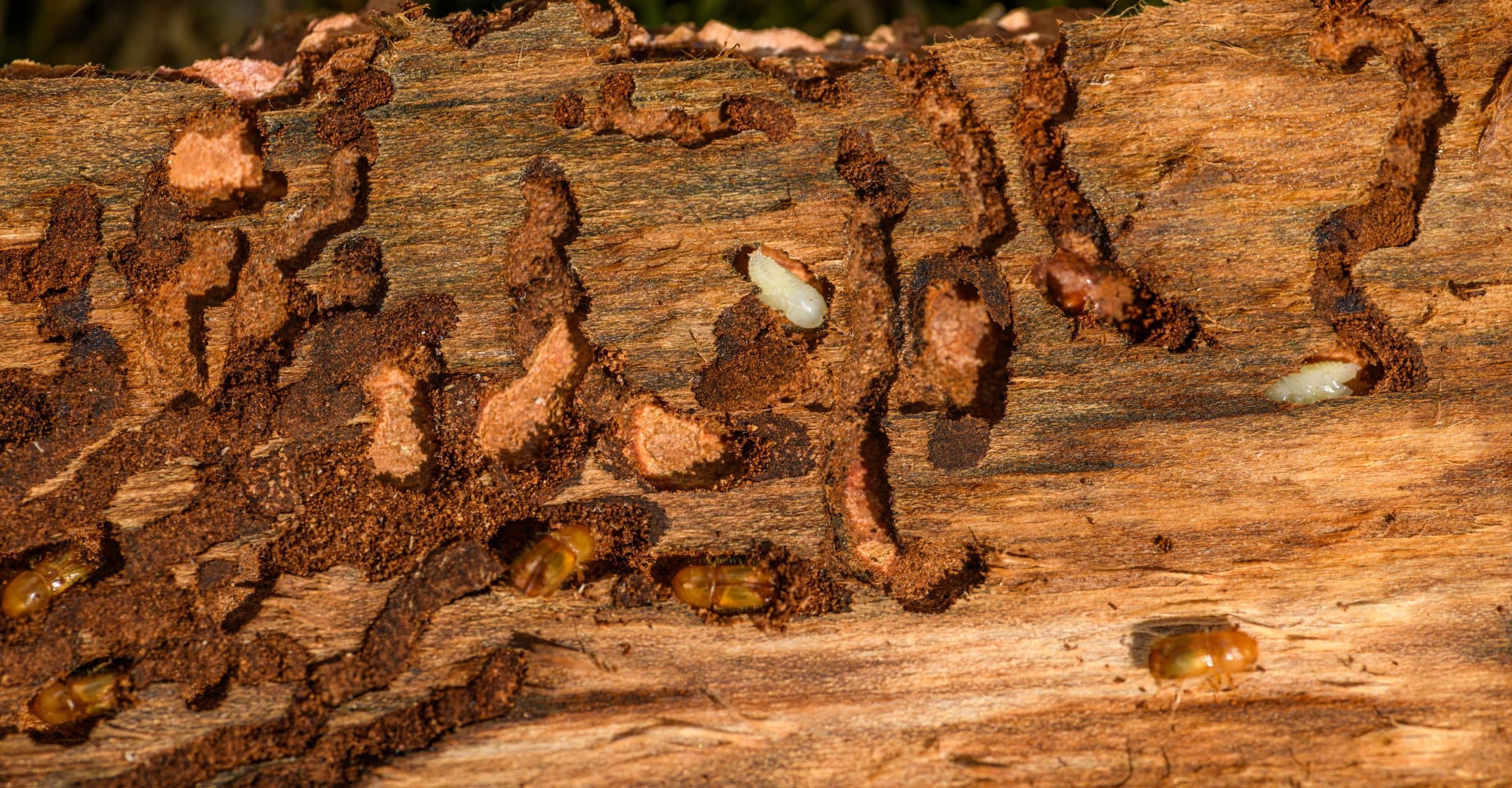
Woodworm in older timber

The common furniture beetle goes for seasoned sapwood in old, untreated timber, which describes a lot of floorboards, roof timbers and stair cupboards in the yards and older terraces. Damp makes it worse. Small round exit holes with fine, pale dust underneath usually mean the infestation is still active, so we inspect before recommending any treatment.


Moths in a wool town

Clothes moths and carpet moths feed on natural fibres, and Kendal homes have plenty: wool carpets, rugs, throws and stored knitwear. Damage tends to show up under furniture and along skirting boards where nobody vacuums, and in holiday lets that sit empty over winter.

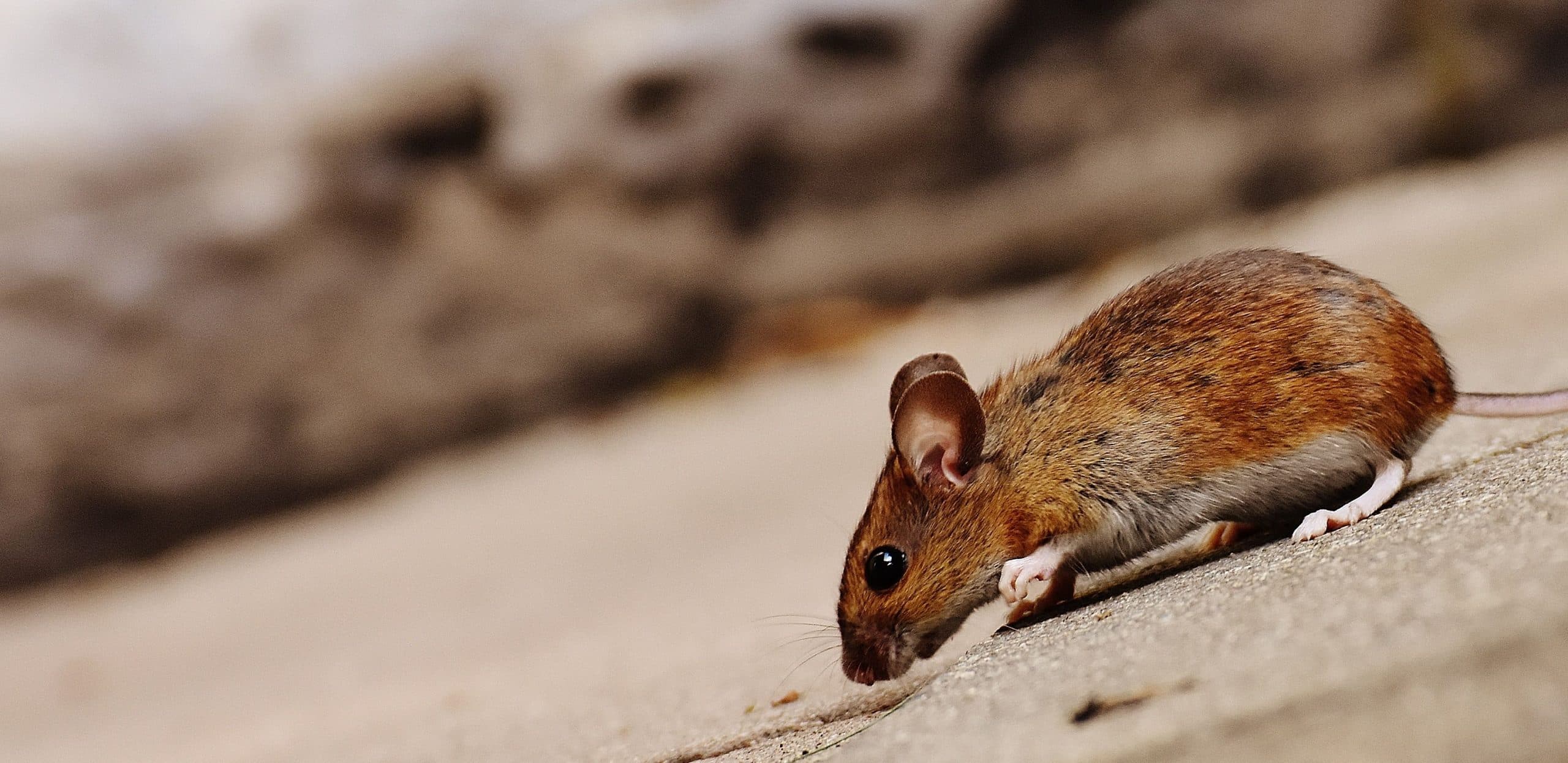
Mice in stone walls

Old limestone walls are rarely solid all the way through. Mice move along the gaps inside them, behind panelling and under floors, and come in from the fields on the edge of town once the weather turns. Blocking the route in matters as much as the treatment.

Rats along the River Kent

Properties near the river and its becks are the most exposed to rats. High water pushes them out of banks and drains, and flood-damaged pipework gives them a way under a building. Where rats keep coming back, a drain survey usually finds the route.

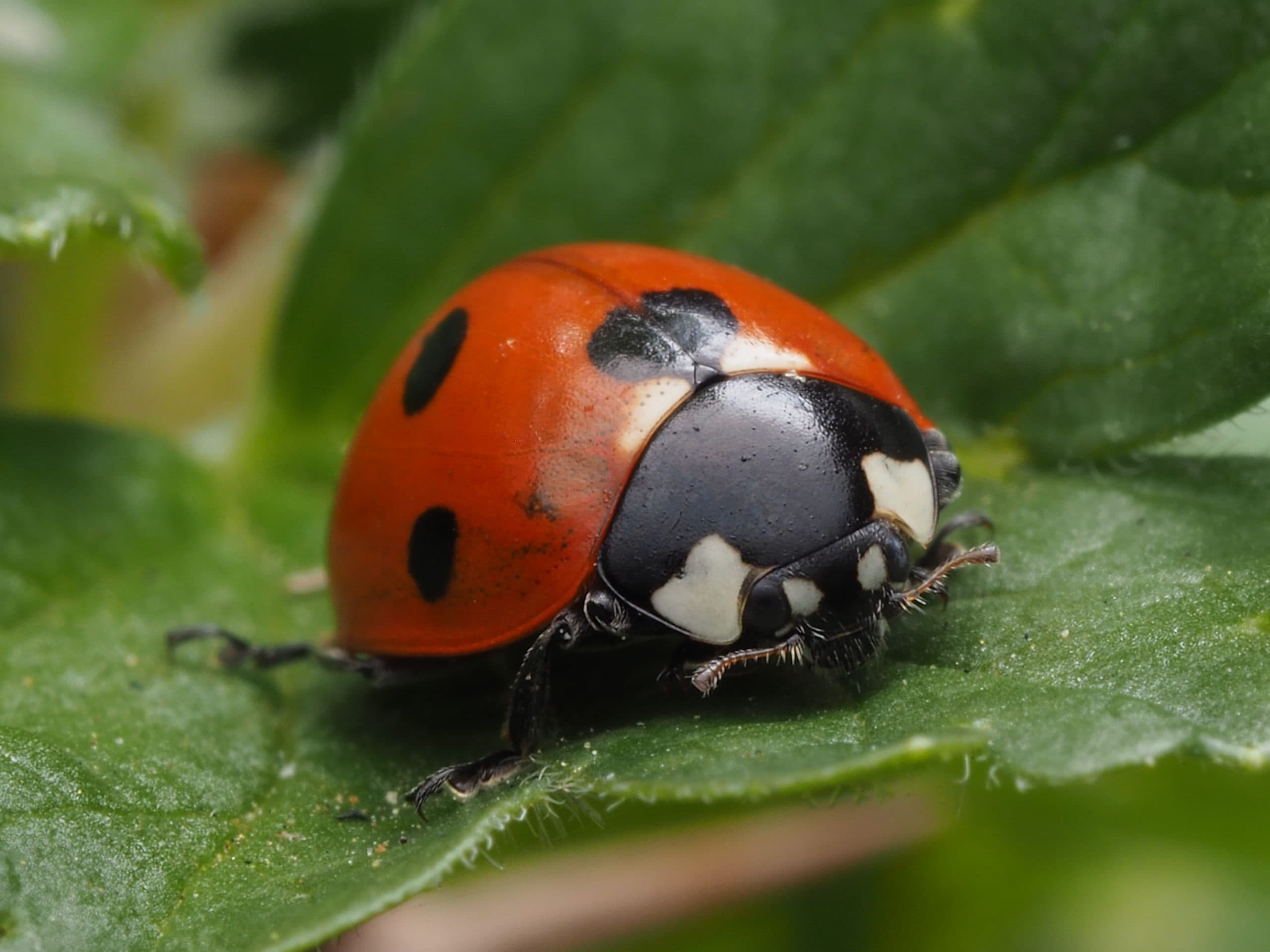
Ladybirds in autumn

Harlequin ladybirds, which have spread across the UK since 2004, gather in large numbers in autumn and squeeze into window frames, lofts and wall gaps to spend the winter. Homes facing open countryside on the edge of Kendal see this most.

Holiday lets and guest houses

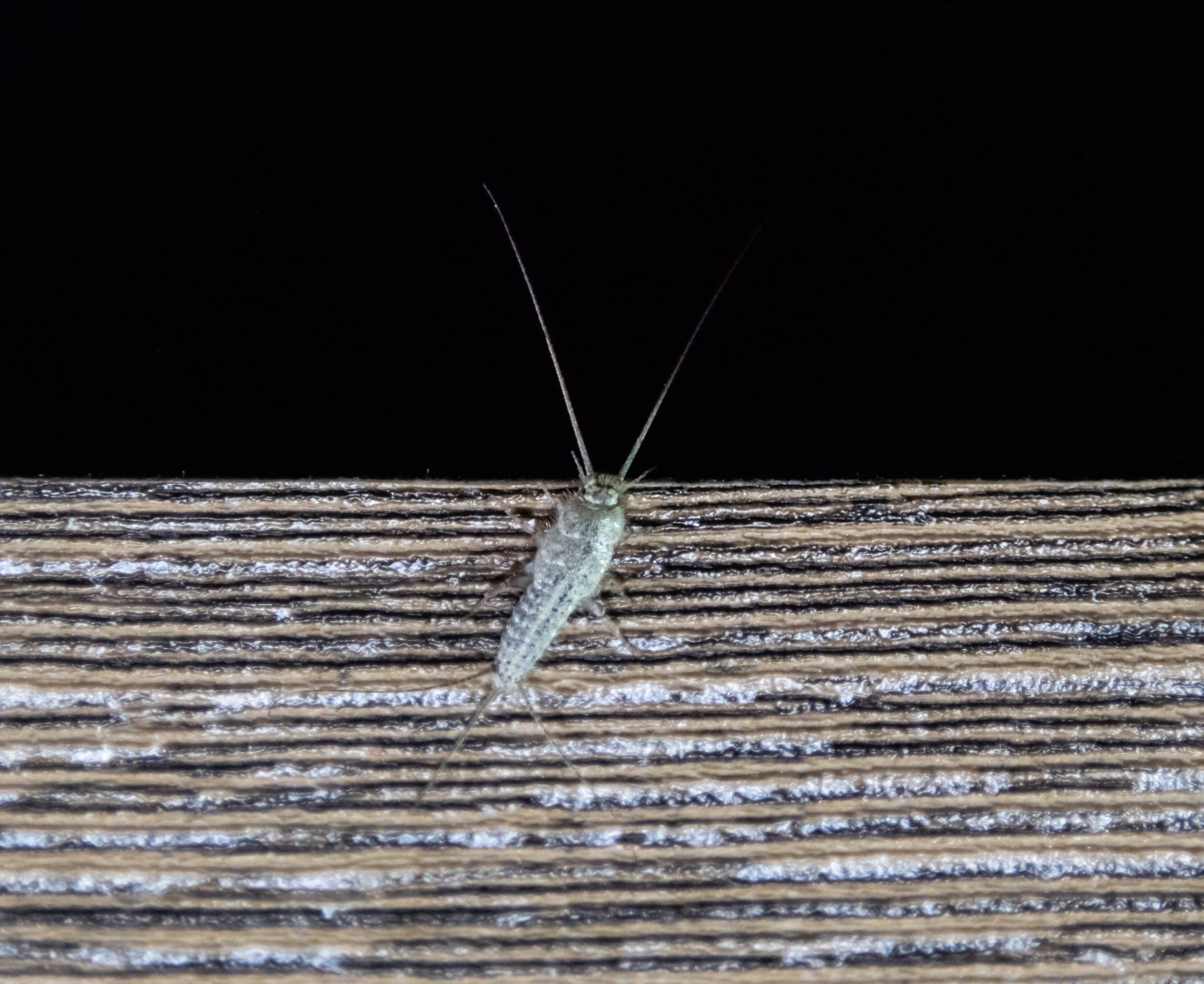
Dog-friendly lets pick up fleas from visiting pets, and silverfish thrive in the damp bathrooms of older stone buildings. A bad review costs more than a callout, so we offer commercial pest control for owners and managers.

Sources: Common furniture beetle (Wikipedia) · Harlequin ladybird (Wikipedia)

The Kendal pest year

Spring

Woodworm beetles start emerging, leaving fresh exit holes. Wasp queens look for nest sites.

Summer

Moth larvae most active in carpets and wardrobes. Fleas peak in busy holiday lets.

Autumn

Ladybirds cluster on sunny walls and windows. Mice move in from the fields.

Winter

Rodents settled in walls and lofts. High water on the Kent disturbs rats.

Outside the town

Nearby Areas We Cover

The same technicians cover the Lakes, Furness and the Eden Valley.

See all 34 towns we cover across the North

Questions

Pest Control in Kendal: FAQs

Do you cover Kendal and the villages around it?

Yes. We cover the whole town and the South Lakeland villages around it, including Burneside, Staveley, Oxenholme, Natland, Sedgwick and Milnthorpe. Same-day callouts depend on technician availability and distances are longer in Cumbria, so calling early in the day gives you the best chance. We are open Monday to Thursday 7am to 8pm and Friday to Sunday 8am to 6pm.

How do I know if the woodworm in my house is still active?

Look for small, clean, round exit holes with fine pale dust (frass) underneath or on the floor below. Old holes that are dark inside with no fresh dust may be from an infestation that has already died out. Damp timber is at higher risk, so a woodworm problem is often a damp problem too. We inspect first and only recommend treatment where there is live activity.

Can you treat a holiday let or guest house in Kendal?

Yes. Holiday lets and guest houses are commercial premises, so we can treat a one-off problem such as fleas, bed bugs or moths, or set up regular visits through our commercial pest control service. Tell us your changeover days when you call and we will plan around them where we can.

Does the council do pest control in Kendal?

Kendal is part of Westmorland and Furness Council, which publishes advice on dealing with rats, mice and insect pests and can investigate some insect problems as a statutory nuisance. Check its website for exactly what it currently offers. If you want a technician to visit, treat the problem and proof your property, you can call us directly.

Why do ladybirds come into my house every autumn?

Most autumn swarms are harlequin ladybirds, a species that has spread across the UK since 2004. In autumn they gather in large numbers on sunny walls and squeeze into window frames, lofts and wall gaps to spend the winter. They are harmless to your home but can stain and smell when disturbed. Sealing gaps around windows and roof edges is the best long-term fix.

More questions? Read our full FAQ or browse our pest advice.

Got a pest problem in Kendal?

Tell us what you have found and where you are. A local technician will take it from there.