Ladybirds have a good reputation outdoors, especially because many feed on aphids. Indoors, the story changes when they start gathering in large numbers around windows, ceilings or warm rooms.
This is often a seasonal nuisance rather than a serious danger. The concern is usually where they are entering, why they are clustering, and whether the same areas keep attracting them each year.
This article by Clear Pest Control explains why ladybirds appear indoors, what makes harlequin ladybirds different, why they cluster, and what to do when the same areas keep attracting them.
Why Do Ladybirds Suddenly Appear Indoors?

Ladybirds often become more noticeable indoors when the weather changes. In autumn, many are looking for sheltered places to overwinter. In spring, they may become active again and try to move back outside.
BPCA explains that large ladybirds can become active on the outside of buildings and sometimes enter buildings, with peak autumn activity usually restricted to a few weeks. Once inside, wandering ladybirds may appear on mild days throughout winter. Other insects, including spiders, also seek sheltered buildings for overwintering and may gather around lofts, upper floors and sunny windows.
Ladybirds usually appear indoors because they are looking for shelter or responding to seasonal change, not because the house has suddenly become a food source.
That is why someone might search “lots of ladybirds in my house” after seeing a sudden cluster around a window, ceiling, light fitting or warm room. The appearance can feel abrupt, but the behaviour is usually seasonal.
Swarms, Clusters and Sunny Walls
A swarm of ladybirds can look dramatic because they often gather together. Around homes, “cluster” is usually the better word, especially when they are collecting around windows, sunny walls, upper rooms or warm external surfaces.
The Natural History Museum explains that harlequin ladybirds can hibernate together in big clusters. In nature, they would use sheltered places such as caves, hollow trees and similar protected spaces. Homes can become an alternative when small gaps give them access.
This is why ladybirds everywhere can seem to appear all at once. When the weather, light and shelter are right, several may gather in the same place instead of arriving one by one.
The numbers can look sudden because these insects often cluster together rather than spreading evenly through the home.
Window Frames, Gaps and Indoor Hiding Places
Window frames are one of the main places people notice ladybirds. They may gather around loose-fitting windows, curtains, corners, loft spaces, light fittings and warm upper rooms.
People often describe this as ladybirds nesting in window frames, but in many cases they are clustering, sheltering or overwintering there rather than building a nest. That distinction matters because the issue is usually access and shelter, not a nest in the way people might imagine with birds or rodents.
Small gaps around window edges can give harlequin ladybirds a way inside. Once they find a sheltered space, they may stay quiet for a while, then move again when the room warms up or daylight changes. The same entry points can also be used by ants, particularly during warmer months when they are searching for food and shelter indoors.
Window frames are usually access and shelter points, not proof that ladybirds are nesting inside the home.
Ladybirds in house spaces are usually linked to shelter, warmth and small access gaps rather than food indoors. If the same window, loft edge, curtain track or upper room keeps attracting clusters, the issue is likely to be repeated entry and overwintering behaviour rather than one random insect finding its way inside.
Harlequin Ladybirds and UK Homes

Harlequin ladybirds are not native to the UK. They are found naturally in parts of Asia and were introduced into several European countries as predators of pest insects such as aphids. They were later found living wild in the UK in the mid-2000s and have spread from there.
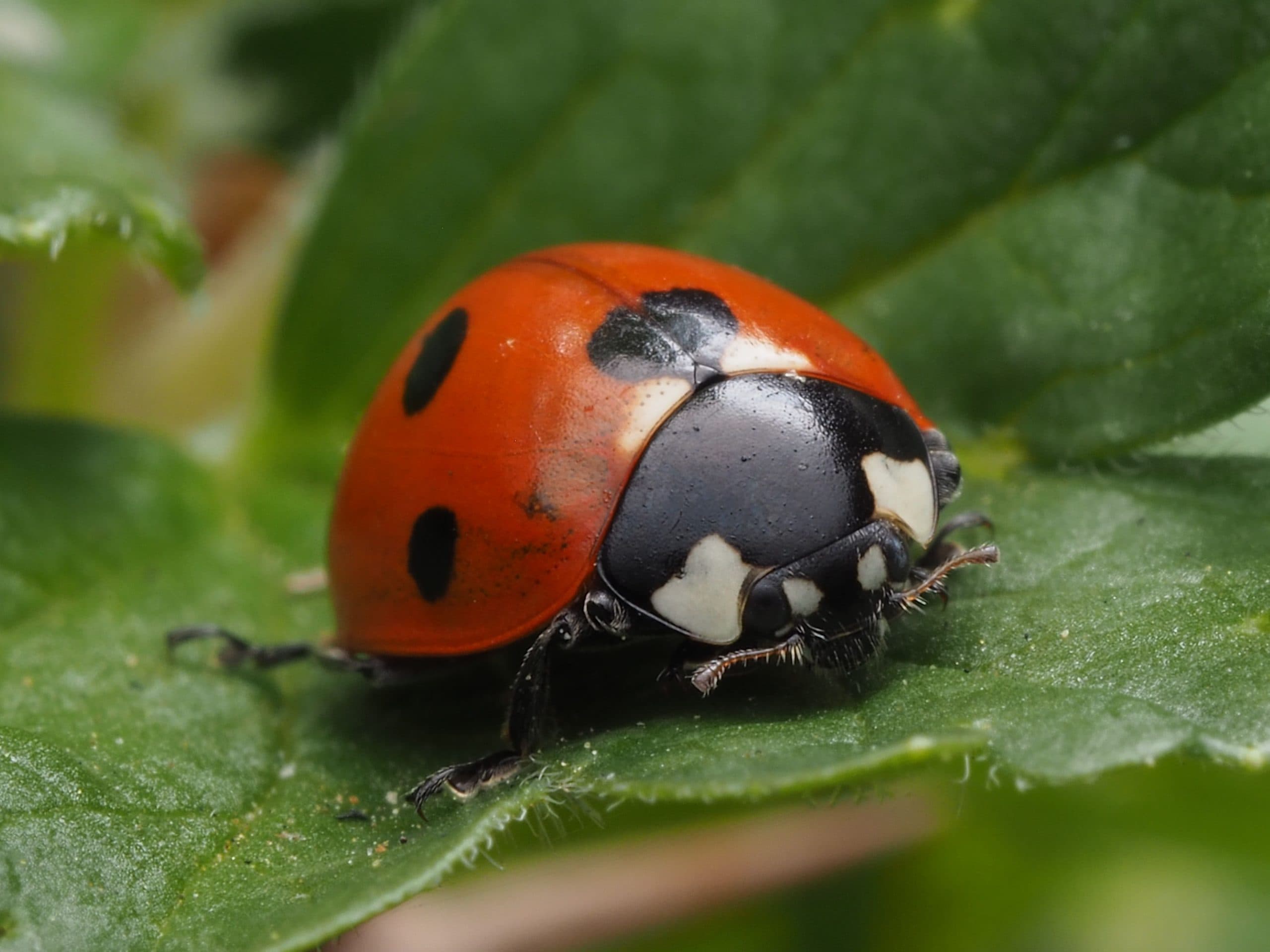
They are also highly variable in appearance. Some are red with black spots, some are orange, and some are black with red spots. This means colour alone is not always enough for a quick identification.
Invasive ladybirds UK searches often point to the harlequin ladybird. The concern is mainly about its effect on native ladybirds and its tendency to cluster indoors, not a serious health threat to people.
Harlequin ladybirds can compete with native ladybirds for aphids and may feed on other ladybird eggs and larvae. They can also be more noticeable around homes because they are known to gather in larger groups.
This invasive species matter because they can be a household nuisance and an ecological concern, even if they are not dangerous to people.
For more about how we approach pest issues in homes and businesses, visit the About Clear Pest Control page to learn more about the team, service values and local pest management support.
Are Harlequin Ladybirds Dangerous?
Harlequin ladybirds can sound more worrying than they usually are inside a home. They are non-native, can compete with native ladybirds, and may feed on other ladybird eggs and larvae. That makes them a concern for UK ladybird species, but not a serious danger to people.
The fungus linked with this species affects the insects, not humans. For people indoors, the more common issue is nuisance: large clusters, window gatherings, smell, and yellow defensive fluid that may stain fabrics or surfaces if the insects are crushed.
A ladybird may occasionally bite if provoked, but this is not the main problem in most homes. If you are dealing with a ladybird infestation in house spaces, avoid crushing clusters and focus on careful removal, proofing gaps, and getting advice where large numbers keep returning.
Larvae, Aphids and Their Role Outdoors
Outdoors, ladybirds can be useful because many feed on aphids and other small pest insects.
This is one reason harlequin ladybirds were linked with natural pest control in the first place. Ladybirds eat aphids, which is why gardeners often see them as helpful around plants, roses and vegetable crops.
Ladybirds larvae are also part of that helpful outdoor story. The young stage does not look like the familiar round adult ladybird, but larvae can still be active predators of small insects.
Harlequin ladybirds complicate the picture because they may also compete with native species and feed on other ladybird eggs and larvae. So, yes, ladybirds can help with aphids, but the indoor clustering problem is a separate issue.
Ladybirds can be useful in the garden and still become a nuisance when they gather indoors. For more seasonal pest advice, identification guides and practical home tips, visit the Clear Pest Control Blog.
When Ladybirds Become an Indoor Nuisance

A few ladybirds indoors may not be a serious issue. The problem starts when numbers build, clusters keep returning, or they gather in places that are difficult to manage.
An infestation of ladybirds usually means repeated or large indoor clusters, not the same kind of structural or hygiene issue associated with some other pests. Still, a ladybird infestation in house spaces can become frustrating when insects appear around windows, ceilings, lofts, curtains or warm rooms every season.
Disturbed ladybirds can produce a foul-smelling liquid that may stain fabrics, but they do not damage the building itself.
An indoor ladybird problem is usually a nuisance issue, not a sign that the building is being eaten or damaged.
The main concerns are numbers, staining, smell, repeated entry and uncertainty over whether the insects are native ladybirds or harlequin ladybirds. This matters more in bedrooms, living rooms, lofts, offices, rental properties and places where people keep finding clusters after cleaning.
What Should You Do if Ladybirds Keep Coming Back?
Avoid crushing ladybirds indoors. If disturbed or squashed, they may leave yellow defensive secretions that smell and can stain walls, fabrics or furnishings.
They can often be removed carefully with a vacuum cleaner. For regular problems, proofing entry points can help reduce future issues.
Useful checks include:
- Look around window frames where clusters appear most often.
- Check gaps around doors, vents, loft hatches and wall cracks.
- Avoid crushing ladybirds on curtains, walls or fabrics.
- Remove indoor clusters gently where possible.
- Seal obvious entry points when it is safe and suitable to do so.
- Get advice if large clusters keep returning each season.
This is especially useful if the same room or window becomes a regular gathering point. The more consistent the cluster, the more likely it is that an entry gap or warm sheltered space is involved.
Local Ladybird Activity in Tyne and Wear

Ladybird activity in Tyne and Wear homes is often seasonal. Clusters may appear around sunny walls, window frames, lofts, upper rooms and sheltered gaps when conditions change in spring or autumn.
Why are there so many ladybirds in South Tyneside right now? Seasonal movement, warm walls, window gaps and overwintering behaviour can all make clusters more visible at certain times of year.
Pest control for ladybirds in Newcastle may be useful where large clusters keep returning around windows, loft spaces, upper rooms or difficult access points.
Indoor clusters in Gateshead homes can become more noticeable when they gather around sunny walls, window frames or sheltered gaps. The concern is usually not one ladybird, but repeated clusters that keep returning.
Clear Pest Control Tyne and Wear can help where ladybird activity is becoming difficult to manage indoors, especially where entry points are unclear or large clusters appear each season.
Local clustering problems are usually seasonal clustering issues, especially around windows, walls and sheltered gaps.
When Repeated Ladybird Clusters Need Advice
Clear Pest Control can help where ladybird clusters keep returning, access points are unclear, or large numbers are gathering around windows, lofts, curtains or upper rooms.
Advice may be useful if ladybirds are appearing in hard-to-reach areas, leaving stains or smells, gathering in large numbers, or returning year after year despite basic proofing. If you are unsure what you are seeing, contact us with clear photos of the insects, the affected window or room, and a short description of when the clusters appear. You can also email info@clear-pest-control.co.uk for advice.
Ladybirds are useful outdoors, but repeated indoor clusters can still become frustrating. The best approach is to avoid crushing them, remove them carefully where possible, and reduce the gaps that allow them back in before the next seasonal return.
FAQs
How long does a ladybird live?
It varies by species and conditions. Many ladybirds follow a seasonal cycle: they hatch from eggs, develop through larvae and pupae, become adults, overwinter, then emerge again in spring.
Why are there so many ladybirds in South Tyneside right now?
Seasonal movement, warm walls, window gaps and overwintering behaviour can all make ladybirds more visible in spring and autumn. Large numbers may gather around buildings when conditions suit them.
Why are there lots of ladybirds in my house?
They may be looking for shelter, warmth or overwintering spaces, especially around window frames, lofts, upper rooms and sunny walls.
Are ladybirds in my house UK homes a problem?
A few ladybirds may not be a serious problem, but repeated clusters can become a nuisance because of numbers, staining, smell and repeated entry.
Do ladybirds nest in window frames?
People often describe it that way, but ladybirds are usually clustering, sheltering or overwintering in gaps around window frames rather than building a nest.
Are harlequin ladybirds invasive in the UK?
Yes, harlequin ladybirds are non-native and are often discussed as invasive because they spread quickly, compete with native ladybirds and may eat their eggs and larvae.
Do ladybirds eat aphids?
Yes. Ladybirds are known for feeding on aphids and other small pest insects, which is why they are often seen as helpful outdoors.
What are ladybird larvae?
Ladybird larvae are the young stage before the adult beetle. They do not look like the familiar round adult ladybird, but they can still be active predators outdoors.
When is pest control for ladybirds needed?
Pest control advice may be useful when large clusters keep returning indoors, access points are unclear, staining or smell is becoming a problem, or the infestation is heavy.