Fully Insured Certified Same-Day Callouts
MastercardVisaApple PayGoogle Pay
Office Closed:
Call Now

Call 0191 829 9920

Tap To Call For Immediate Help

7 Days
Durham Cathedral above the River Wear in an area served by Clear Pest Control

North East of England

Pest Control in Durham

Pest control for Durham City homes, student lets, cafés and workplaces, from the historic peninsula and riverside streets to residential neighbourhoods beyond the centre.

  • Family-run
  • RSPH-certified
  • BPCA-trained
  • Fully insured
  • Durham City and nearby County Durham addresses

THE CITY WE WORK IN

Durham at a Glance

Durham combines a historic river peninsula, university accommodation, visitor-facing businesses and residential streets. These features help explain why prevention needs to suit the individual building.

River Wear

Peninsula setting

The River Wear curves around Durham’s historic centre. Properties close to riverbanks should keep external food waste contained and inspect accessible drains.

UNESCO

Castle & Cathedral

Durham Castle and Cathedral form a World Heritage Site. Historic building fabric calls for careful inspection and suitable, non-damaging proofing.

University city

Student accommodation

Durham University is central to the city. Shared kitchens and frequently changing occupancies benefit from clear food-storage and pest-reporting routines.

Market Place

Shops & hospitality

The city centre includes cafés, shops and food premises, where stock storage, waste handling and service entrances all matter for pest prevention.

Wooded Wear valley

Trees & rooflines

Mature trees and gardens form part of Durham’s riverside setting. Where branches meet roofs, owners should check for accessible loft gaps.

Durham County Council

Local authority

Durham City is within the Durham County Council area. Residents can consult the council for current environmental health and pest-related advice.

Local information: UNESCO: Durham Castle and Cathedral · Durham County Council

PROPERTY RISKS TO UNDERSTAND

How Durham Is Affected by Pests

Durham’s historic centre, shared accommodation, riverside surroundings and food businesses present different settings in which pests may become a problem. These examples describe realistic risks, not measured infestation rates in Durham.

Rats near food waste and drainage

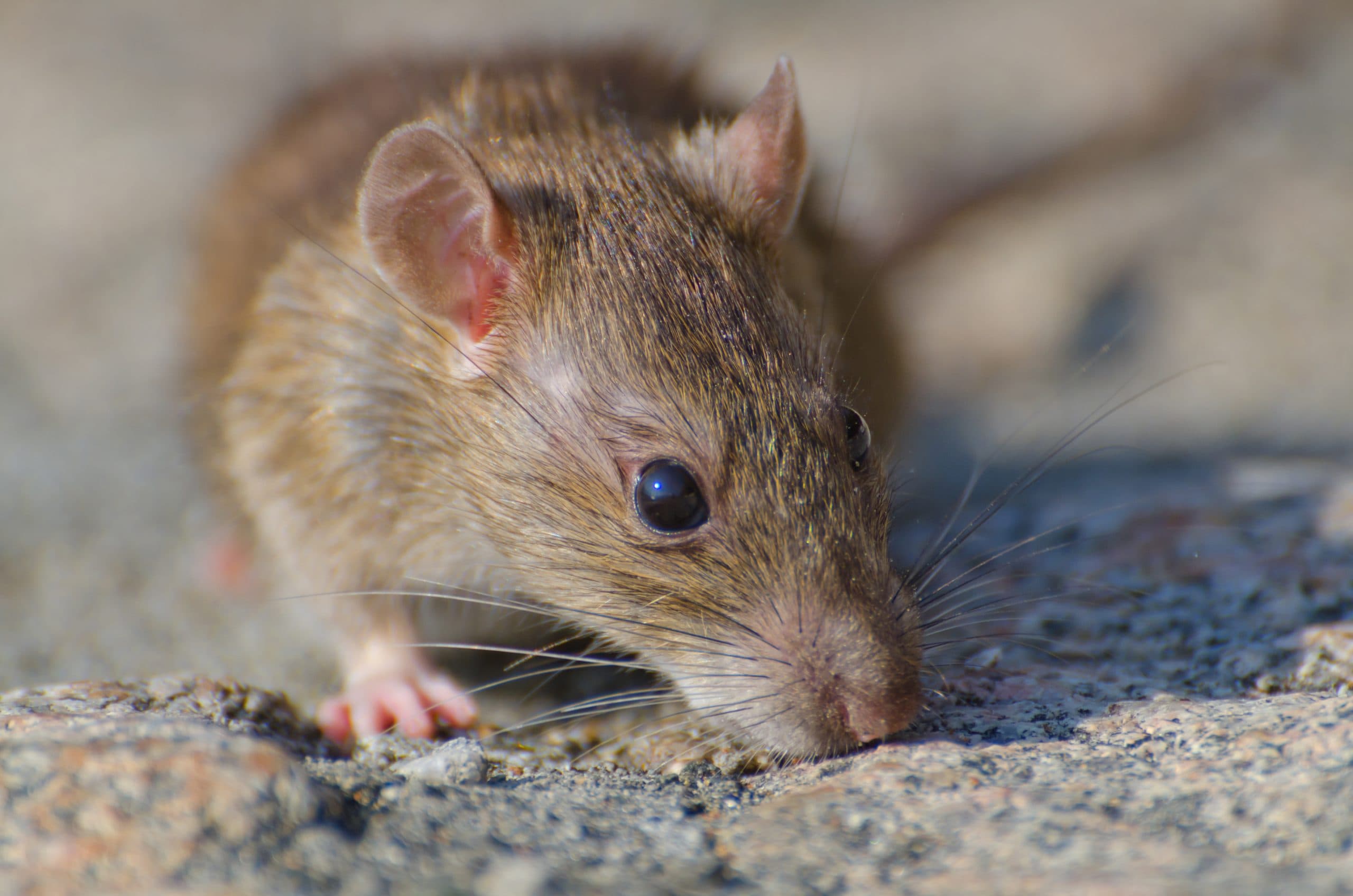
In Durham’s central shopping and hospitality streets, poorly secured bins or damaged drainage can give rats food and access. Look for droppings, gnaw marks or burrows; a riverside address alone does not mean rats are present. Where damaged drains are suspected, a CCTV drain survey can confirm the route.


Mice in older and adjoining buildings

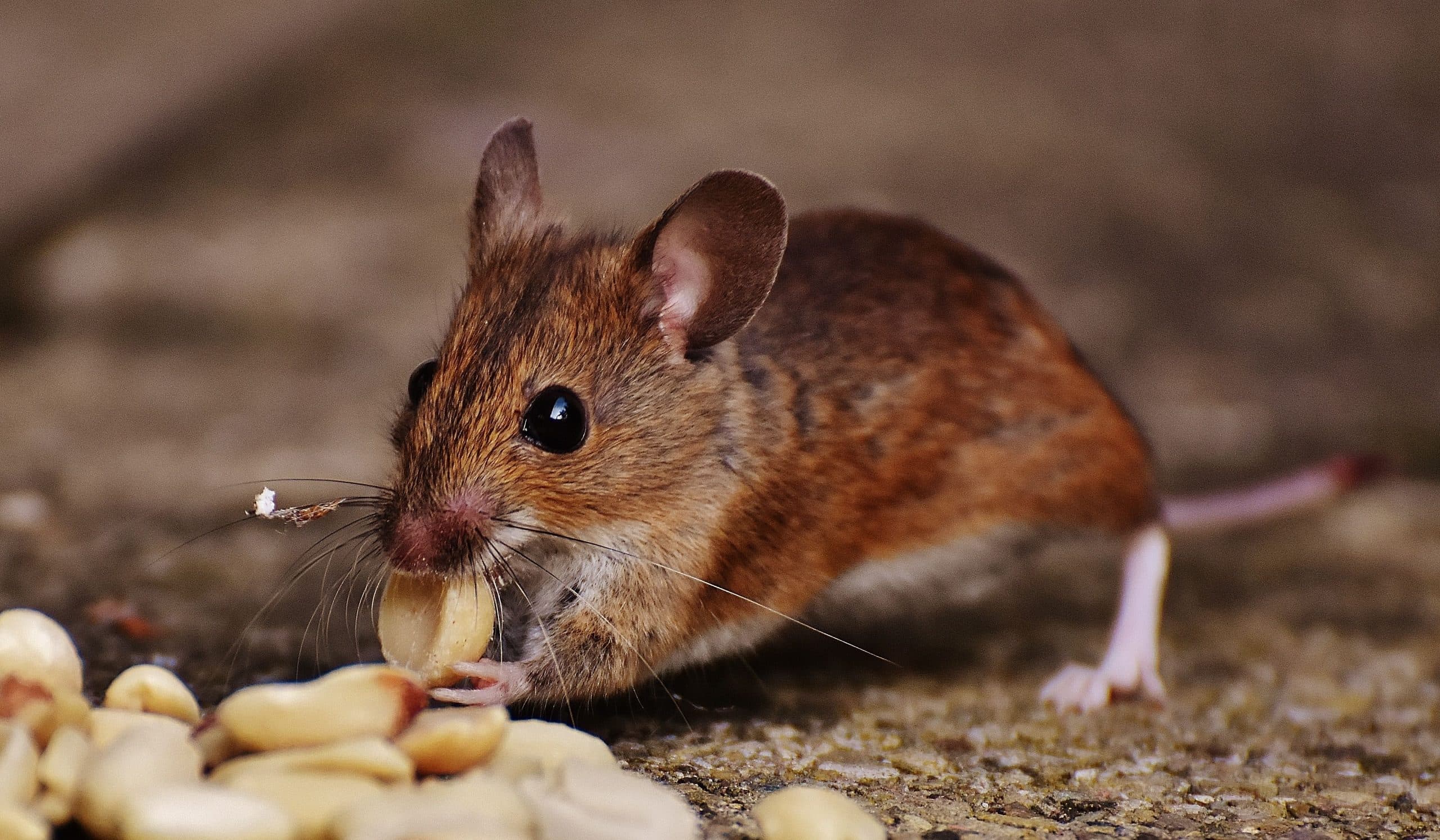
Around the peninsula and established residential streets, mice may enter through gaps around pipes, doors or floor voids. Shared walls and older building details make it important to trace the actual entry route before treatment.

Bed bugs in shared accommodation

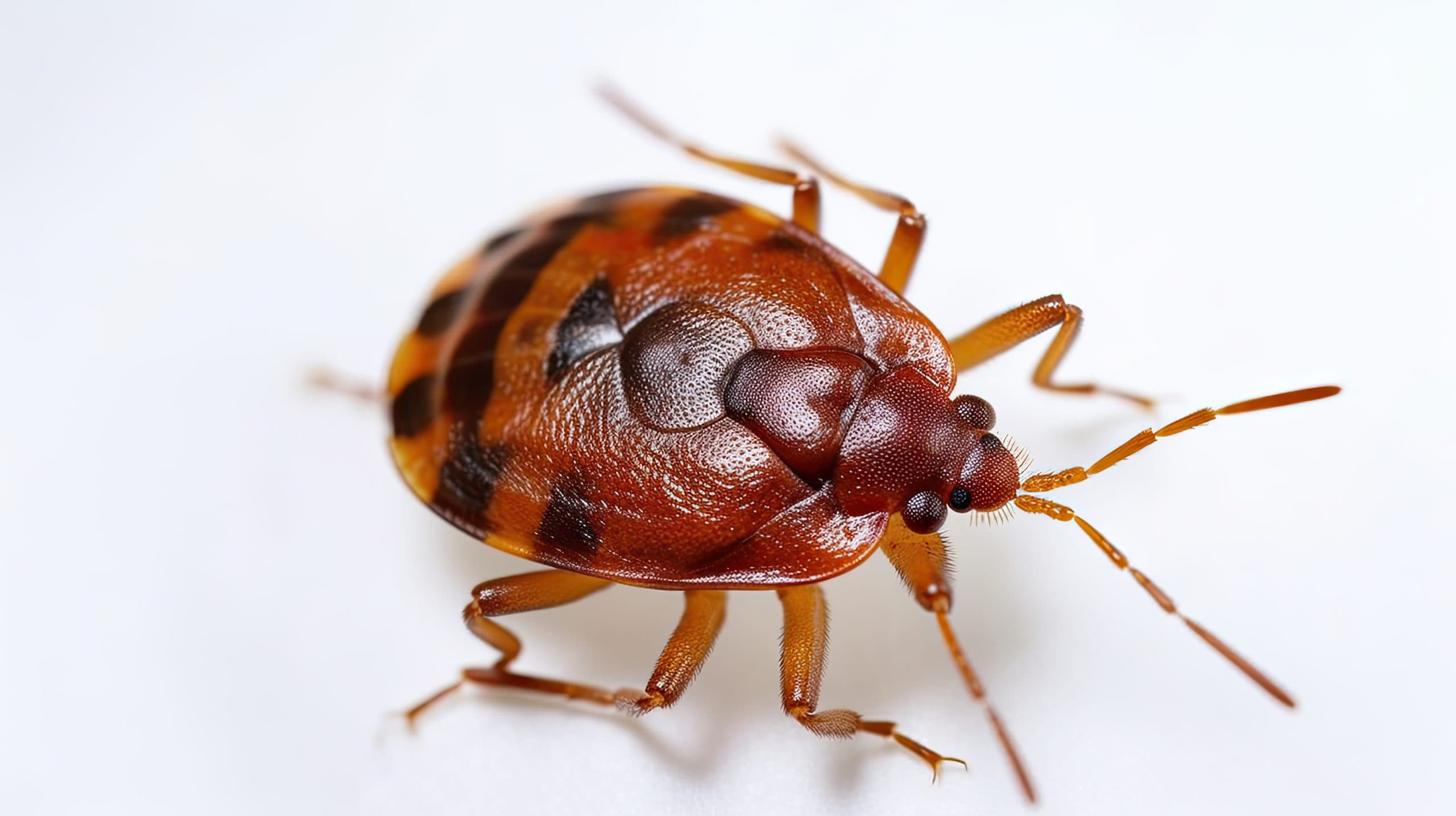
Student lets and guest accommodation need prompt checks when occupants report bites or find insects near mattresses and bed frames. Bed bugs can be carried in luggage or belongings; cleanliness alone is not an indicator. After treatment, specialist cleaning helps get rooms ready for the next occupants.

Wasps in rooflines and outbuildings

Roof eaves, garden sheds and wall cavities at Durham properties can offer nesting sites. Repeated wasp flights into one opening in warmer months warrant identification; never block an active entrance.

Squirrels around wooded rooflines

Near Durham’s wooded valley and residential gardens, grey squirrels may reach roof edges where trees and buildings connect. Scratching in a loft has several possible causes, so confirm the animal before any intervention. If squirrels have soiled the loft, our loft insulation removal service can strip and replace it.

Ants in ground-floor kitchens and gardens

Where patios and planted areas meet houses or cafés, ants may follow food trails indoors. Check the route and remove accessible food sources before deciding whether nest treatment is necessary.

The Durham pest year

Spring

As temperatures rise, check Durham roof eaves, garden structures and wall cavities for early wasp nesting. In older buildings, inspect accessible pipe gaps and vents during routine maintenance.

Summer

For city-centre cafés and riverside outdoor seating, keep sweet drinks and food waste covered as wasp colonies develop. In shared accommodation, report suspected bed bugs promptly rather than waiting for a term change.

Autumn

Before colder weather, inspect door thresholds, bin stores and loft openings at Durham houses and rented properties. Mice and rats remain active all year; signs of entry matter more than the calendar.

Winter

In heated student lets, kitchens and shops, check for rodent droppings and food-packaging damage. Bed bugs can also persist indoors in winter; identification should be based on evidence, not season.

Explore pest services

Common Pests in Durham

These are pest services relevant to Durham properties, not a statistical ranking of infestations in the city.

NEAR DURHAM

Nearby Areas We Cover

Explore other towns served by Clear Pest Control, including nearby County Durham communities.

See all 34 towns we cover across the North

Questions

Pest Control in Durham: FAQs

Does Clear Pest Control cover Durham City?

Yes. Durham is one of the places we cover across the North. Provide the property address or postcode when enquiring so the team can confirm availability.

Can you help with pests in Durham student accommodation?

Clear Pest Control treats pests in homes and rented properties. For a student let, explain whether the issue is in a bedroom, shared kitchen or another area, and involve the landlord or accommodation manager as appropriate.

What should I do about rats near a Durham restaurant or bin store?

Secure waste and food supplies, note any droppings or gnaw marks and arrange an inspection to identify access routes. Avoid assuming that being near the River Wear proves a rat infestation.

Can older Durham buildings be treated without unnecessary damage?

An inspection should identify the pest and entry route before selecting treatment or proofing. Historic and listed buildings may require additional care and appropriate permissions for alterations.

Which council is responsible for Durham City?

Durham City falls under Durham County Council. Check its official website for current council environmental-health advice and any pest-related services.

More questions? Read our full FAQ or browse our pest advice.

Got a pest problem in Durham?

Tell us what you have found in your Durham property, and share the postcode so the team can discuss suitable next steps.