Found a tiny bug near the bed, unexplained marks on your sheets, or bites that seem to appear after sleeping? It is easy to brush it off at first, but these small signs can sometimes point to bed bugs hiding close by.
Bed bugs are small, secretive, and easy to miss in the early stages. They can hide in mattress seams, bed frames, furniture, clothing, luggage, and cracks around the room, which is why many people only start questioning the problem once the clues keep coming back.
This guide by Clear Pest Control explains what do they look like in the UK, the early signs to watch for, where they usually hide, which insects can be mistaken for them, and when it may be time to get local help before the problem spreads.
What do Bed Bug look like in the UK ?

Image by @user12071769
Bed bugs are easier to identify when you know what features matter: shape, colour, size, and where they are found. They are not always obvious at first glance, especially if you are dealing with young insects, eggs, or marks rather than adults.
Adult Bed Bugs
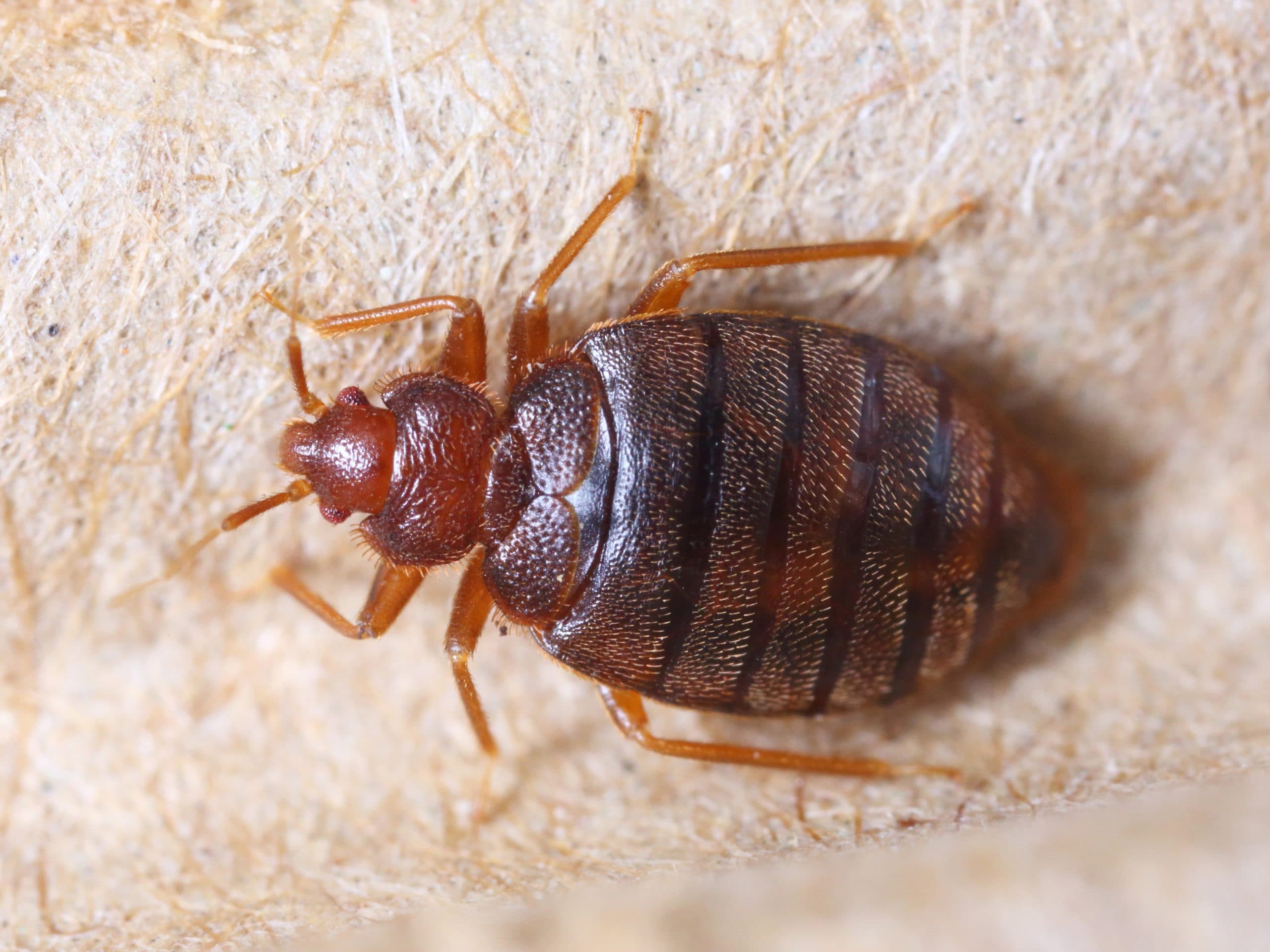
To understand what bed bugs look like in the UK, let’s start with the basics. Adult bed bugs are small, oval, flat insects that hide close to where people sleep or rest. The Natural History Museum describes bed bugs as small, oval, flattish insects, usually mahogany-brown, with colour changes after feeding. In practical terms, what do bed bugs look like often depends on when you see them. Before feeding, they may look flatter and browner. After feeding, they may look darker, redder, or more swollen.
Colour Changes
What colour are bed bugs? They are commonly brownish, but their colour can change after a blood meal. Rochdale Borough Council says bed bugs can appear pale yellow or brown when unfed and reddish-brown after feeding.
That colour shift is one reason people sometimes misread them. A bed bug seen after feeding may look different from one hiding flat inside a seam or crack.
Size and Visibility
How big are bed bugs? Adult bed bugs are usually visible, but they are still small enough to hide in narrow spaces. Rochdale Borough Council gives adult bed bugs as around 5–7 mm long, while the Natural History Museum gives a typical length of around 4–5 mm.
So, can you see bed bugs with the naked eye? Yes, adult bed bugs can usually be seen without a microscope. The harder part is finding them because they often stay tucked into seams, cracks, bed frames, furniture joints, and nearby hiding places.
Baby Bed Bugs, Eggs, and Life Stages
Not every bed bug looks like the obvious adult insect people expect. Younger stages can be paler, smaller, and easier to miss, especially on light bedding or furniture.
Young Bed Bugs
Baby bed bugs are often called nymphs. They are smaller than adults and can look pale before feeding, which makes them harder to spot around mattresses, bed frames, and furniture edges.
These small bed bugs still matter. If young insects are present, it can suggest that the problem is not just one insect carried in by accident, but activity that may be developing nearby.
Eggs and Shed Skins
Bed bugs can leave more than bites behind. Eggs, shed skins, dark spotting, and live insects around the bed can all support the identification. The BPCA explains in its advice page on controlling bed bugs that signs may include bites, dark faecal spots, small blood smears, moulted skins, eggs, eggshells, and live insects around bed frames or sleeping areas.
That is why a proper check should not stop at the duvet. Mattress seams, bed frames, headboards, bedside furniture, and nearby cracks all deserve attention.
Bed Bug Life Cycle
The bed bugs life cycle moves from egg to nymph stages and then adult-form. Young bed bugs need blood meals as they develop, which is why activity tends to stay close to places where people sleep or rest.
For a homeowner, the key point is simple: if you are seeing adults, young insects, eggs, or shed skins together, the signs deserve proper inspection.
Early Signs Around Beds, Clothes, and Furniture

Image by @user12071769
The early signs can be small, but they are often meaningful when they appear together. One mark on a sheet may not prove much. A pattern of bites, blood marks, dark spots, and insects near the bed is more serious.
Bedding Marks
Common signs of bed bugs UK include blood spots on bedding, small brown spots on bedding or furniture, and bites on exposed skin while sleeping. If there are bed bugs in bed, the mattress is not always the only issue. The bed frame, headboard, divan base, bedside table, skirting board, and nearby cracks may all be part of the same hiding pattern.
Clothing and Luggage
Bed bugs on clothes can happen, but they do not live on clothing in the same way head lice live in hair. Clothes, bags, suitcases, and bedding can carry them from one place to another if they have been stored near an infestation.
This is why travel and second-hand items matter. Rochdale Borough Council notes that bed bugs can be introduced through travel, suitcases, backpacks, second-hand furniture, and bedding.
Hair and Skin
Worrying about bed bugs in hair is understandable, especially after bites, but bed bugs are not like lice. They do not usually live in hair or stay on the body. They feed, then return to nearby hiding places.
If someone feels itchy after sleeping, the better place to check is usually the bed, bedding, mattress seams, headboard, nearby furniture, and room edges, not just the hair or skin.
Common Bed Bug Hideouts
Bed bugs hide where they can stay close to a resting person while remaining out of sight. That is why bedroom checks need to be slow and methodical.
Common hideouts include:
- Mattress seams, labels, piping, and edges.
- Bed frames, headboards, divan bases, and slats.
- Bedside drawers and furniture joints.
- Skirting boards, cracks, screw holes, and wall joins.
- Clothing, bags, and luggage stored near the bed.
- Behind pictures, loose wallpaper, and soft furnishings.
- Sofas, chairs, and furniture used for sleeping or resting.
According to the NHS, bedbugs can hide in bed frames, mattresses, clothing, furniture, behind pictures, and under loose wallpaper. That makes a full room check more useful than only looking at the top of the mattress.
For bed bugs in UK cases, this is one of the most important points: the bed may be the centre of activity, but nearby hiding places can keep the problem going.
Bed Bugs or Something Else?
It is easy to panic after finding a tiny insect in the bedroom, but not every small bug is a bed bug. Identification matters because the wrong assumption can lead to the wrong treatment.
Lookalike Insects
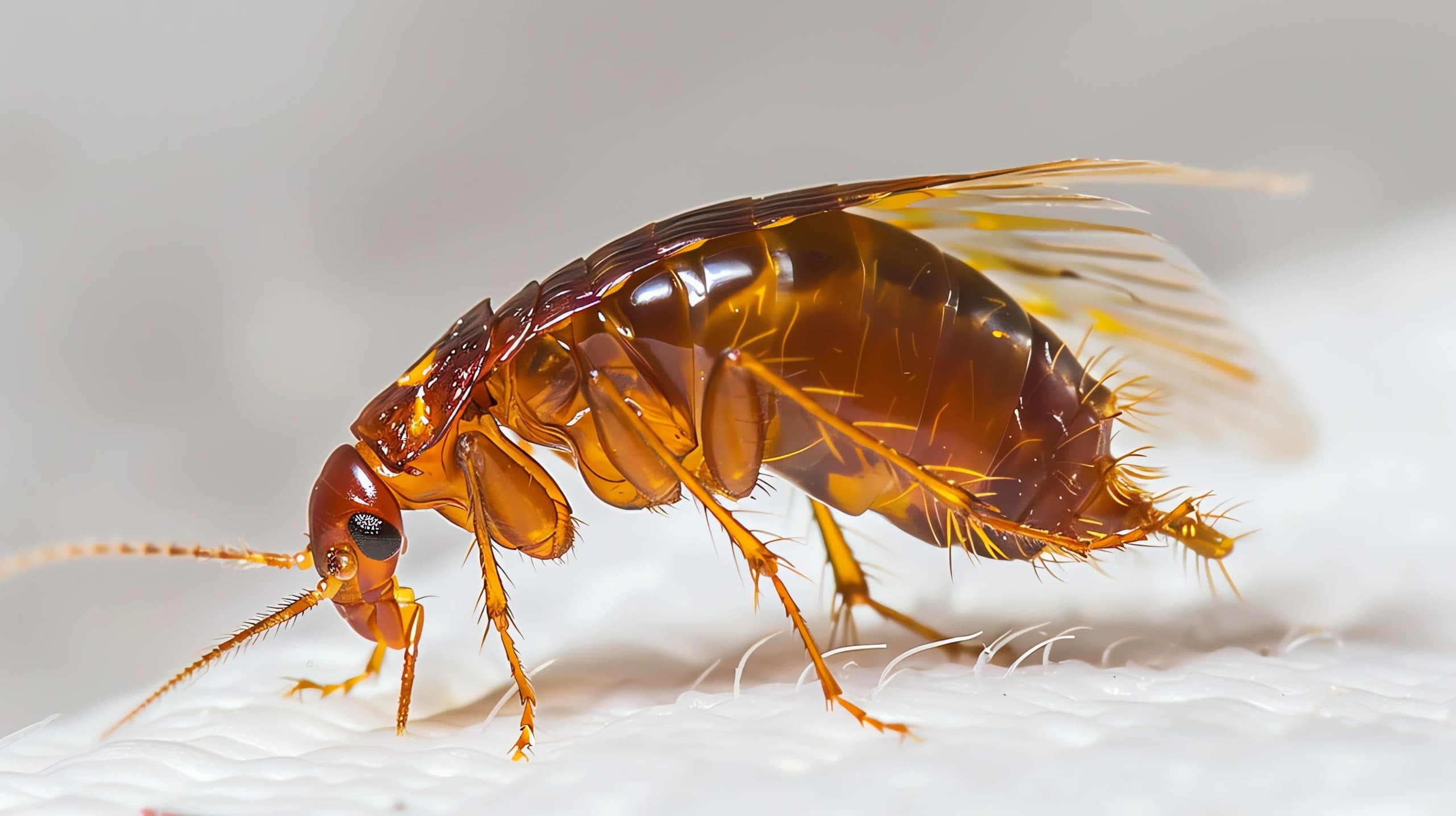
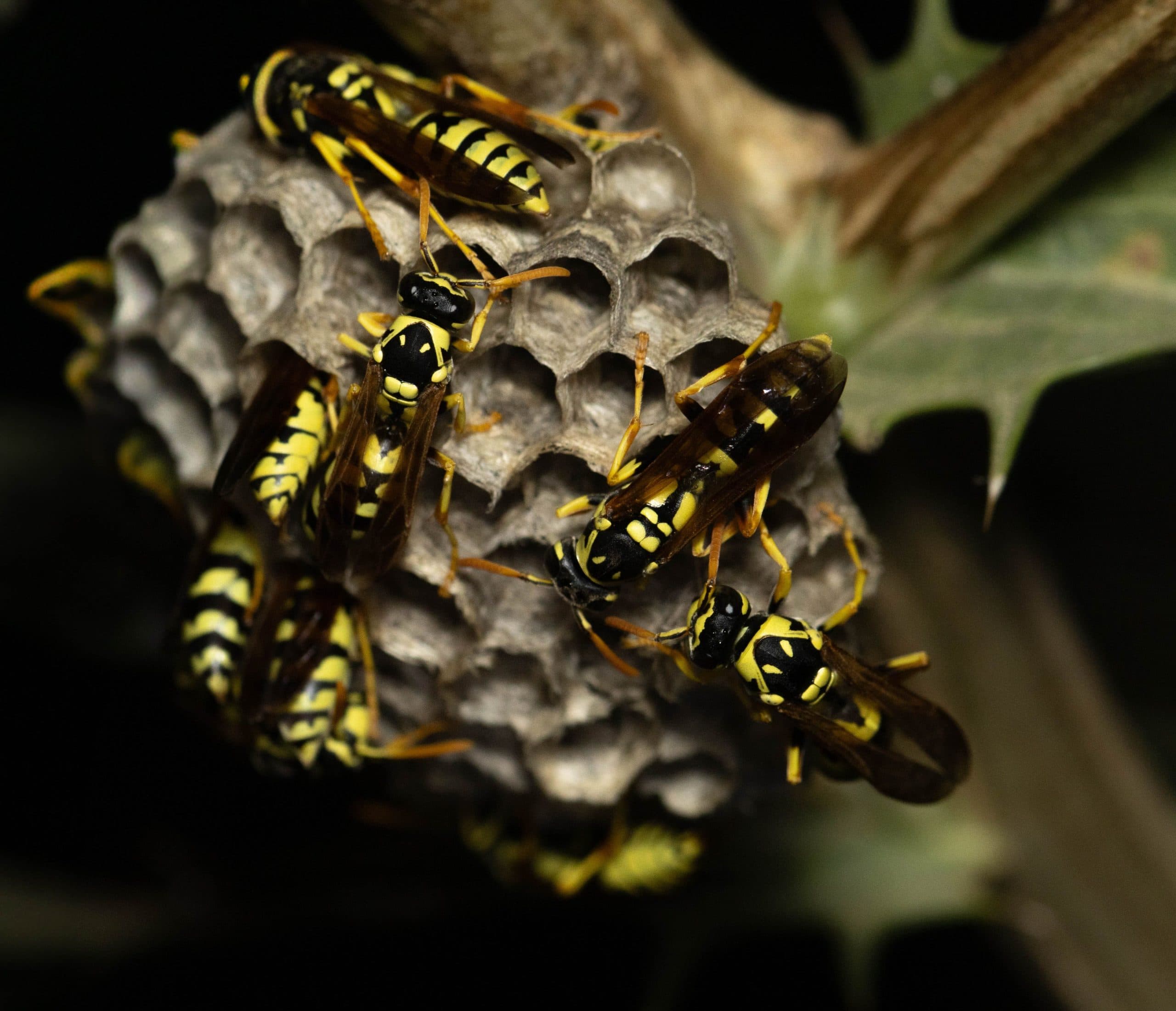
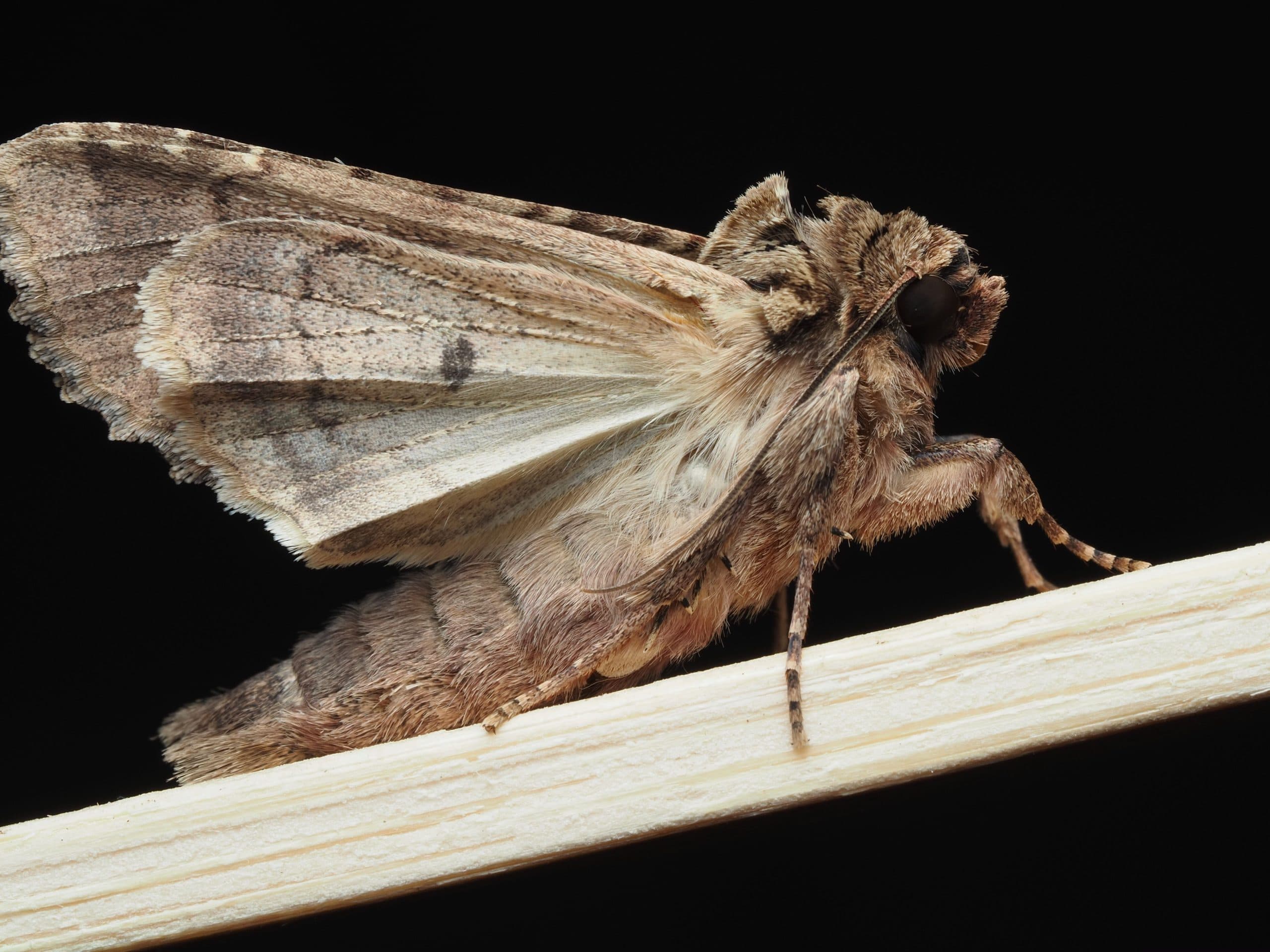
There are bugs that look like bed bugs, including carpet beetles, fleas, mites, small beetles, booklice, and other tiny indoor insects. Some are found near fabrics, dust, windowsills, pet areas, or stored items rather than around the bed itself.
The location and pattern of signs matter. If there are bites after sleep, blood spots, dark marks, shed skins, and insects near the mattress or frame, bed bugs become more likely.
Tiny Bugs in Bed
Finding tiny bugs in bed not bed bugs can happen. The insect may be another pest, especially if it does not match bed bug shape, colour, behaviour, or hiding pattern.
DermNet explains that bed bug bites cannot be diagnosed from bites alone; the insect or supporting evidence should be found and identified. That is a useful reminder not to rely on bites alone when deciding what treatment is needed.
Bed Bugs in the UK and Tyne & Wear Homes

Image by @stunningfiles009
How common are bed bugs is difficult to answer with one neat number, but they are a recognised pest issue in the UK. They can affect homes, hotels, rental properties, student accommodation, care settings, hostels, and shared buildings.
The British Association of Dermatologists explains that bedbugs are not a cleanliness judgement, as they can be found even in clean homes and hotels. They are usually introduced through travel, belongings, furniture, or movement between places.
Across Tyne & Wear, the same logic applies. Bed bugs can affect homes and businesses in Newcastle, Sunderland, Gateshead, South Tyneside, and North Tyneside. If the signs keep appearing, local inspection is usually more useful than guessing from a photo or one bite mark.
A property needing bed bug pest control in Newcastle may involve a different layout from one needing bed bug treatment in Sunderland or Gateshead, but the principle stays the same: confirm the evidence, inspect hiding places, and choose treatment based on the level of activity.
Bed Bug Checks in Sunderland, South Tyneside and North Tyneside
This section is for local searchers who already suspect a problem and want a direct answer.
Sunderland Treatment Expectations
What 100% kills bedbugs in Sunderland? No responsible answer should promise a casual 100% result without inspection. Bed bugs can hide in tiny spaces, eggs can be missed, and the right method depends on preparation, severity, room layout, and follow-up.
The BPCA says amateur pesticide self-treatment is highly unlikely to succeed where accurate bed bug knowledge is absent. That supports a professional, evidence-led approach rather than random spraying.
Pillows and Duvets in South Tyneside
Do bed bugs live in pillows and duvets in South Tyneside? They are more likely to hide in mattress seams, bed frames, headboards, bedside furniture, and nearby cracks. However, pillows, duvets, covers, and bedding can show signs or carry activity if they are close to an infestation.
The safest approach is to check the full sleeping area. Bedding marks may be the clue, but the hiding place may be slightly away from the sheet.
Checking the Bed in North Tyneside
How can I find out if my bed has bed bugs in North Tyneside? Start with mattress seams, labels, piping, buttons, the bed frame, headboard, bedside furniture, and bedding marks. Then move outwards to skirting boards, cracks, plug areas, luggage, and clothing near the bed.
If you find blood spots, dark marks, shed skins, eggs, or insects close to the bed, those are stronger signs than a bite alone.
Conclusion
If signs keep appearing around the bed, bedding, clothes, luggage, or bedroom furniture, searching for bed bugs control near me is usually the point where inspection becomes sensible.
Local support can help confirm whether the insects are bed bugs, identify hiding places, explain treatment options, and reduce the risk of the problem spreading to nearby rooms or belongings.
If you are finding marks on bedding, insects around the bed, or signs spreading into nearby furniture, contact us today for local bed bug help in Tyne & Wear. We can inspect the signs, explain the options, and help you choose the right next step.
FAQs About Spotting Bed Bugs
What are bed bugs?
What are bed bugs? Bed bugs are small parasitic insects that feed on blood and usually hide close to where people sleep or rest. They are not a sign that a home is dirty, but they do need proper attention once signs appear.
What do bed bugs look like?
What do bed bugs look like? Adult bed bugs are small, oval, flat insects, usually brownish in colour. They may look darker, redder, or more swollen after feeding.
What do bed bugs look like UK?
What do bed bugs look like UK usually means the same identification features: small, oval, flat, brownish insects found near beds, furniture, seams, and cracks. In UK homes, they are often noticed through bedding marks or signs around sleeping areas.
What colour are bed bugs?
What colour are bed bugs? They are often brown, yellowish-brown, or reddish-brown depending on whether they have fed recently. After feeding, they may look darker or redder.
How big are bed bugs?
How big are bed bugs? Adult bed bugs are usually a few millimetres long and visible to the naked eye. Young bed bugs and eggs are much harder to spot.
Can you see bed bugs with the naked eye?
Can you see bed bugs with the naked eye? Yes, adult bed bugs can usually be seen without magnification. The challenge is finding them because they hide in seams, cracks, furniture joints, and dark spaces.
How common are bed bugs?
How common are bed bugs? They are a recognised pest issue in the UK, especially where travel, shared buildings, second-hand furniture, hotels, rentals, or regular guest turnover are involved. The key is to spot the signs early and avoid spreading belongings before the issue is checked.