Seeing a squirrel in the garden can feel completely normal. Grey squirrels are quick, bold and strangely confident for an animal that spends half its day sprinting along fences like it owns the street. In many cases, a garden visit is just wildlife passing through.
The concern starts when the activity becomes repeated and closer to the building. Squirrels using the same roof edge, tree branch, gutter, soffit or loft access point are telling you something different from a squirrel raiding a bird feeder.
This Clear Pest Control article explains what grey squirrels do around gardens and lofts, what a squirrel’s nest can look like, how to recognise signs of squirrels in attic spaces, and when normal outdoor activity becomes a property problem.
Grey Squirrel Activity Around the Home

Image by @wirestock
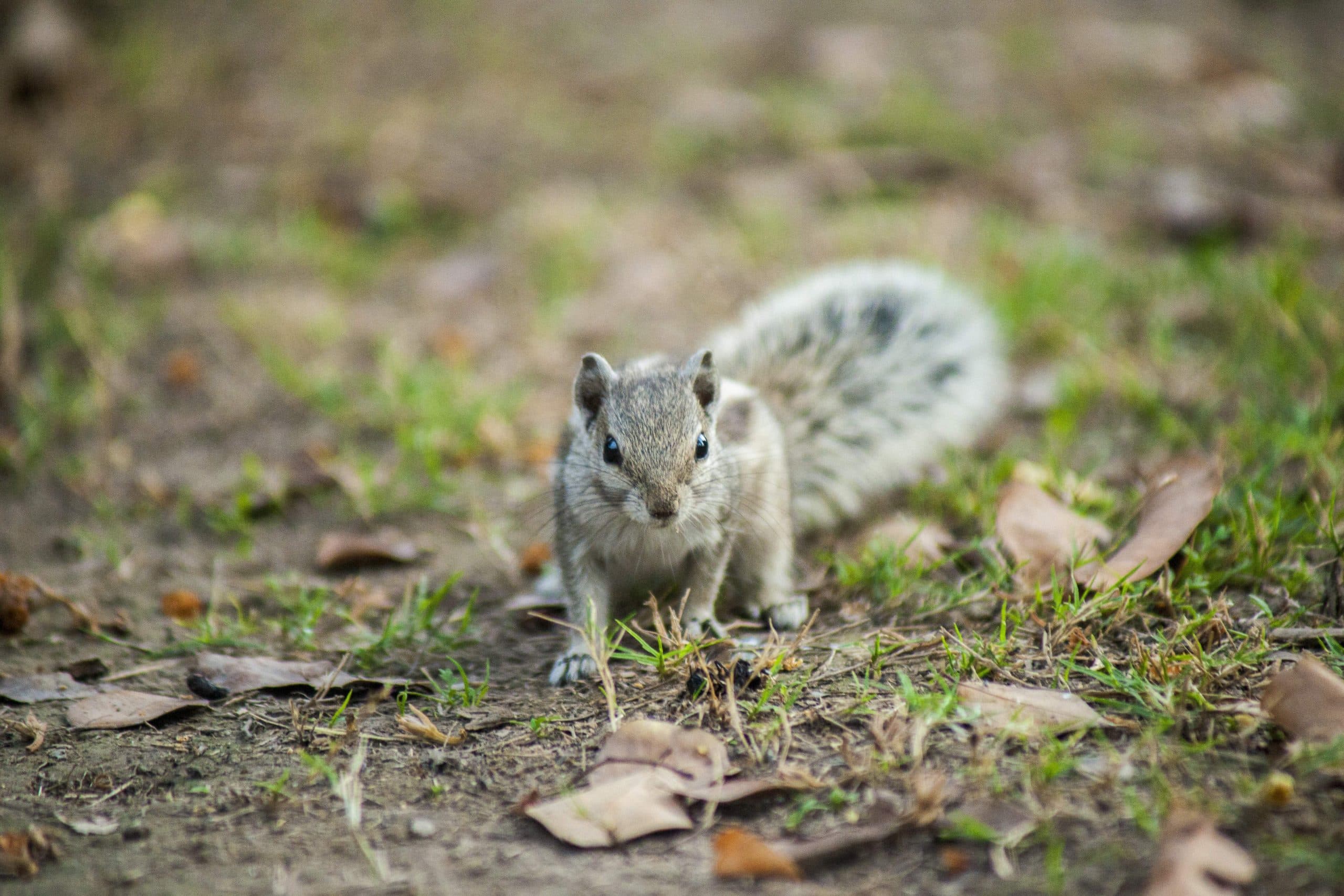
Grey squirrels are common in UK gardens, parks, woodland and urban areas. They climb well, move quickly and often use fences, trees, sheds and rooflines as routes through a neighbourhood.
The Wildlife Trusts’ grey squirrel guide explains that grey squirrels are found in woods, gardens and parks, and that they build rough nests called dreys from twigs, leaves and strips of bark. This helps explain why one squirrel in a garden is not always unusual.
A grey squirrel in the garden is not always a problem; repeated activity around the roof or loft is the part worth checking. Useful facts about these small animals are not only about what they eat or how they move, but how their behaviour changes when a property becomes part of their route.
If they keep travelling towards the same gap, roofline or loft area, the sighting becomes more than a passing garden moment. It becomes a pattern.
Squirrel Habitats and Access Routes
These tiny animals usually live around woodland, parks, gardens, towns and places with trees or easy shelter. They are highly adaptable, which is why they can appear just as confidently in a suburban garden as they do along a woodland edge.
Where do squirrels live? In practical terms, they live where food, shelter and safe movement are available. The Woodland Trust’s grey squirrel guide is useful for explaining how well grey squirrels adapt to UK gardens, towns and woodland.
The problem usually starts when outdoor squirrel routes connect with a gap into the home. A tree near the roof, a loose fascia board, a damaged soffit or an open vent can turn garden activity into loft activity.
A squirrel outside is wildlife. A squirrel repeatedly entering the building is a different situation.
Squirrel Nests, Dreys and Loft Spaces
A squirrel’s nest is usually called a drey. Outdoors, a drey is often built high in a tree using twigs, leaves, bark and softer lining material.
What is a squirrels nest called? The usual answer is a drey, but the location matters. A drey in a tree is normal wildlife behaviour, while nesting activity inside a loft can create a property issue.
Baby squirrels can make the situation more complicated because timing matters. If young are present, removal or exclusion should not be handled casually, and the entry point should be assessed properly before anything is blocked.
Signs of Squirrels in Attic Spaces
Signs of squirrels in attic spaces are often noticed before anyone sees the animal indoors. Scratching, scurrying, rolling or thumping noises may be heard from the loft, roofline or wall void, often during the day.
Other signs can include disturbed insulation, chewed materials, droppings, nesting material, damaged stored items, or repeated movement near soffits, fascia boards, vents, roof tiles or gaps. These visitors are not exactly subtle once they decide your loft is part of their daily route.
The clearest signs are repeated noise, roofline access and disturbance inside the loft. A single noise may be hard to judge, but repeated activity in the same place is more useful.
If the sounds keep returning, note the time of day, where the noise is strongest, and whether they are visible outside near the same section of roof.
Grey Squirrel Diet and Garden Attractants
They eat a wide range of foods, which is one reason gardens can become regular stops. Their diet can include seeds, nuts, fruits, fungi, shoots and other plant material.
What do grey squirrels eat? They often feed on nuts, seeds, fruit and plant material, and they may also take bird eggs or use easy food sources in some situations. Bird feeders, fruit trees, compost areas and spilled seed can all make a garden more attractive.
UK Squirrel Accord’s ecology guidance is a useful read because it explains the diet and behaviour of grey squirrels alongside their impact on red squirrel populations and woodland environments.
Squirrel Types in the UK Context

Image by @wirestock
People use many squirrel names online, but not all of them are relevant to a UK loft or garden issue. The practical concern for most homes is usually grey squirrel activity, rather than every squirrel species people may read about.
Red Squirrels
Red squirrels are native to the UK and are important from a conservation point of view. They should not be confused with grey species or treated as a household pest.
UK Squirrel Accord’s red squirrel conservation guidance explains that red squirrels face pressure from grey squirrels, including competition and disease risk. This matters in the North East, where red squirrel conservation is part of the wider wildlife picture.
Black Squirrels
Black squirrels are often a colour variation linked with grey squirrels, sightings of the black variant can happen, but colour does not usually change the practical property issue.
If a black squirrel is repeatedly entering a loft, the concern is still the access point, nesting risk and possible damage. The colour is interesting; the roofline gap is more important.
Flying Squirrels and Ground Squirrels
Flying squirrels are not a normal UK household squirrel issue. Ground squirrels are also not the usual problem behind loft noise in North East homes.
For UK properties, the practical concern is usually grey squirrel access, not every squirrel name found online. Types of squirrels can be interesting, but property advice should focus on the animal actually using the building.
A group is not usually the issue either. One regular visitor with access to a loft can create more concern than several of them passing through a garden.
Grey Squirrels, Red Squirrels and Legal Context
In the UK, grey squirrels are an invasive non-native species, and they are managed because of their impact on red squirrels, trees and sometimes property.
Are grey squirrels vermin? The better practical answer is that grey squirrels can become a pest concern when they cause damage, enter roof spaces or create repeated access problems. UK Squirrel Accord’s grey squirrel management guidance explains that management is used to protect remaining red squirrel populations and reduce damage to young trees.
The Wildlife and Countryside Act 1981, Schedule 9, is useful for legal context around non-native species. For homeowners, the safe message is simple: grey squirrel handling should be left to people who understand the rules, welfare responsibilities and appropriate control methods.
Squirrel Safety, Bites and Rabies
Squirrels are not normally looking for a fight. In homes, the bigger issue is usually chewing, nesting, contamination and property damage rather than direct aggression.
- Are squirrels dangerous? Usually, not in the dramatic sense. They may, however, bite if frightened, trapped or handled, which is why people should not try to catch or remove them by hand.
- Do squirrels bite? Yes, they can bite if they feel cornered or grabbed. That is especially important in a loft or confined space, where both the animal and the person can panic.
- Do squirrels carry rabies? NHS rabies guidance says rabies is very rare in the UK and is only found in some bats in the UK.
Do not handle squirrels yourself; the risk comes from contact, damage and nesting activity, not a squirrel plotting an attack from the gutter. If a squirrel is inside, trapped or acting unusually, keep distance and seek proper advice.
Grey Squirrels in the Loft
Grey squirrels in a garden can be noisy, but grey squirrels in a loft are a different problem. Once inside, they may chew insulation, stored items, timber, pipe lagging or wiring. The access point may also worsen if they keep using it.
Loft activity can be especially frustrating because the signs are often heard rather than seen. Scratching above a bedroom, movement in the roof space or repeated daytime noise can quickly become hard to ignore.
The loft problem is not just the squirrel being there; it is the damage and repeated access that follows. Finding squirrels nest inside the roof space can also mean bedding material, droppings, smells and disturbed insulation.
Use This Quick Squirrel Activity Checklist
Before assuming the whole property has a serious issue, check the pattern. They are active, quick and noisy, but the clues become clearer when you look at timing, access points and repeated behaviour.
Ask these questions as you check:
- Are noises coming from the loft, roofline or wall void during the day? They are often active in daylight, unlike some other pests.
- Are squirrels repeatedly using the same roof edge, tree branch or gutter route? A repeated route can point towards an entry point.
- Can you see chewed fascia, soffits, vents or gaps near the roofline? Small weaknesses can become regular access points.
- Is loft insulation disturbed, flattened or pulled into one area? Nesting activity can move insulation or stored material.
- Are droppings, chewed items or nesting materials visible in the attic? These signs can help confirm activity.
- Could baby squirrels be present? If a nest is active, timing and handling matter.
- Is the activity close to wiring, stored items, bedrooms or business areas? Risk increases when the activity affects spaces people depend on.
A one-off garden sighting may not mean much, but repeated roofline visits, daytime loft noise or signs of nesting material are stronger clues that they may be using the property for shelter.
Local Squirrel Problems in the North East

Image by @wirestock
North East homes can be attractive to squirrels where mature trees, gardens, rooflines and older building gaps sit close together. Terraces, semi-detached homes, garden feeders and properties with nearby woodland can all create regular routes.
Squirrel removal in Sunderland UK should start with identifying the access point and checking whether the activity is linked to a nest, younglings or repeated loft access. Quick blocking without that check can make the situation worse.
Local help is most useful when the activity has moved from garden visits to repeated access into the building. Clear Pest Control specialists can help identify the likely entry point, check whether the signs suggest active loft use, and advise on the safest next step before anything is blocked or disturbed.
Contact Clear Pest Control for Squirrel Advice
If squirrels are repeatedly using a roofline, gutter, soffit, loft space or wall gap, it is better to get advice before blocking the entry point. Young squirrels, active nesting material or trapped animals can make the situation more complicated if the access route is closed too early.
For advice, contact us at the Clear Pest Control email: info@clear-pest-control.co.uk with a clear photo, short video, or description of what you are seeing. Include where the activity is happening, when the noise is heard, and whether squirrels are entering the building or only passing through the garden.
FAQs
How many grey squirrels are in the UK?
UK Squirrel Accord gives an estimate of at least 2.7 million grey squirrels in Britain, while noting that this may be an underestimate.
What do grey squirrels eat?
Grey squirrels eat seeds, nuts, fruit, fungi, shoots and other plant material. They may also take bird eggs or use easy food sources in gardens.
How long do grey squirrels live?
Grey squirrel lifespan can vary, but many live for a few years in the wild. Some may live longer where food, shelter and conditions are favourable.
What do squirrels eat?
Squirrels eat different foods depending on species and location, but nuts, seeds, fruits, fungi, shoots and available garden food are common.
Where do squirrels live?
Squirrels live in woodland, parks, gardens, towns and tree-covered spaces. Grey squirrels may also use roof spaces or lofts if they find access.
What is a squirrels nest called?
A squirrel’s nest is called a drey. Outdoors, it is usually made from twigs, leaves, bark and softer lining material.
Do squirrels carry rabies?
Rabies is not the normal UK concern with squirrels. NHS guidance says rabies is very rare in the UK and only found in some bats in the UK.
Are grey squirrels vermin?
Grey squirrels are an invasive non-native species in the UK, but the practical issue for a property is whether they are causing damage, entering a loft, nesting inside the building or creating repeated access problems.
Are squirrels dangerous?
Squirrels are not usually aggressive, but they should not be handled. In a home, the bigger concerns are chewing, nesting material, droppings, contamination and repeated access into roof spaces.
Do squirrels bite?
Yes, squirrels can bite if frightened, trapped or handled. Do not try to catch or remove one by hand, especially in a loft or confined space.