If you have ants in your house, it is a warning that workers have found a route worth using. They may have discovered food, moisture or a small opening that connects your home to a nearby nest.
Leave that cause in place and the route can become busier. A black garden ant colony can contain several hundred to 15,000 workers, so the handful crossing your kitchen floor may represent only a tiny part of what is active nearby.
The sooner you identify the reward, entry point and likely nest location, the easier it is to decide whether you can correct the cause yourself or need professional treatment.
This article by Clear Pest Control explains why ants keep entering homes, what their trails reveal, which types of ants may be involved and when the problem has moved beyond a simple food spill or open gap.
What Does a Repeated Ant Trail Mean?

The ants you see indoors are usually workers sent out to find food and other resources for the colony. A lone ant may be scouting. A line of workers following the same route means the search has already paid off.
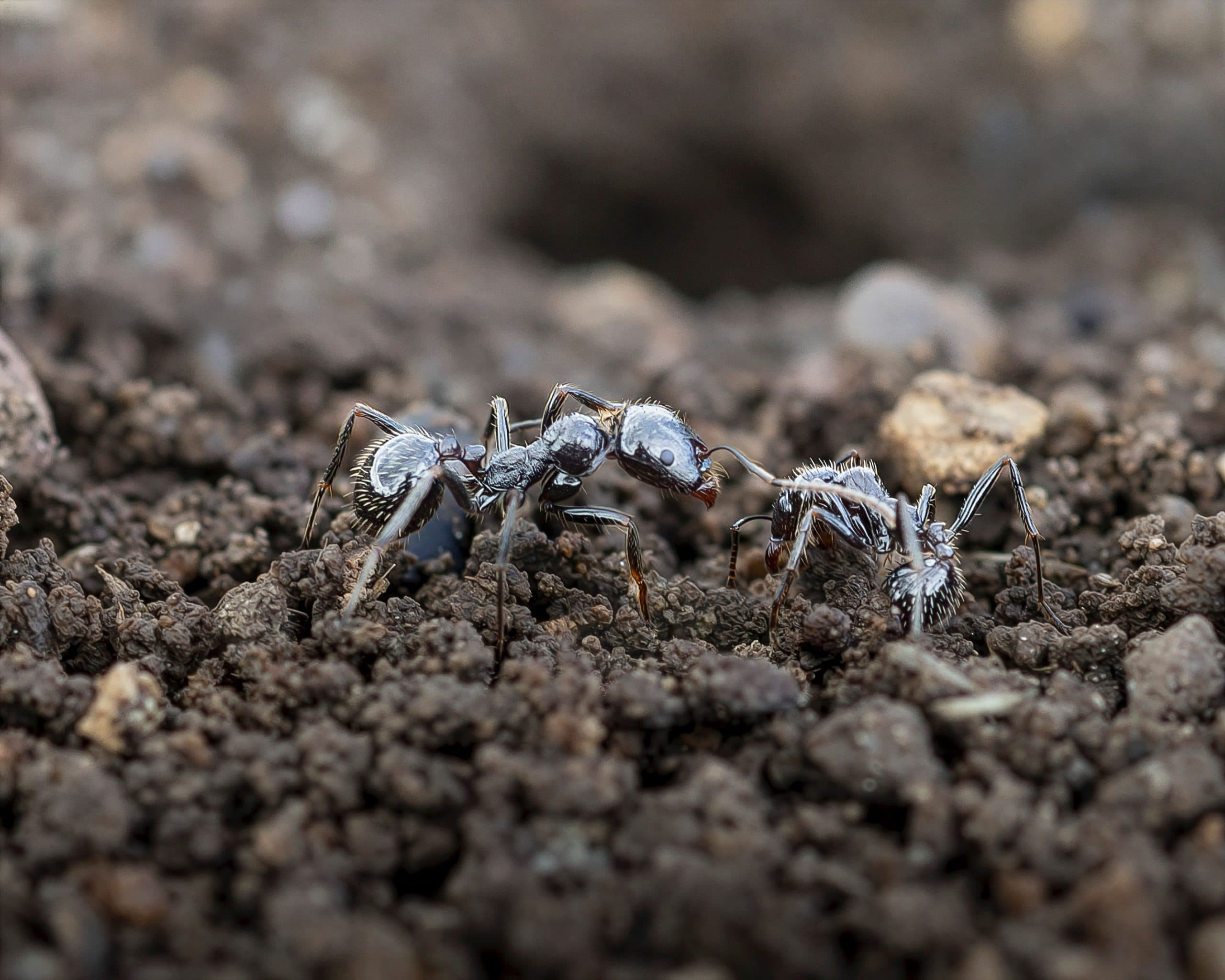
The BPCA identifies the black garden ant as the species most commonly found entering UK homes. Its workers are generally around 3 to 5 mm long and are strongly attracted to sweet foods, which they carry back to the larvae and queen.
That is why killing the ants on the worktop rarely answers the real question. The colony may remain outside beneath paving or soil while new workers continue using the same entrance.
The ants you can see are the foragers. The cause sits somewhere along the route between the nest and the reward.
Start With What the Ants Have Found
Ants do not usually enter a home at random. The journey has to give them something useful, and the room where they appear often provides the first clue.
A kitchen trail usually points towards food. Activity around a sink may involve moisture, a pipe gap or both. Ants appearing throughout a warm block of flats can suggest a different species and a more established indoor problem.
Food
A kitchen does not have to look dirty to attract ants. A sticky mark beneath a bottle, a few crumbs under an appliance or residue beside a bin can be enough to keep workers returning.
Pet bowls are another common source, especially when food remains available throughout the day. Fruit, sugar, syrups and recycling containers can also create a steady reward.
A 2024 study of black garden ant trails found that workers deposited up to 22 times more trail pheromone within 10 centimetres of food than they did when approaching the nest. The study took place under controlled conditions, but it supports a useful inspection clue: the busiest part of the trail may place you closer to the food source than to the colony.
A spotless worktop does not rule food out. Check beneath appliances, behind bins and along the edges of cupboards where small amounts of residue can sit unnoticed.
Moisture
Ants around bathrooms, utility rooms or sink units may be responding to moisture. A slow leak, damp wood beneath a cabinet or regular condensation can make an area more attractive.
However, the water source may not be the whole explanation. The gap around a pipe can also give workers a route through the wall.
Watch what the ants actually do. If they gather around damp material, moisture may be part of the reward. If they pass straight along the pipe and disappear into a gap, you may only be seeing one section of the route.
Warmth
Ordinary garden ants are often more visible during warmer weather. Year-round activity inside a permanently heated building deserves a closer look.
Warm service ducts, boiler cupboards and wall voids can support species that behave differently from black garden ants entering from outside. Tiny ants appearing across several rooms in a block of flats are more significant than one seasonal trail beside a patio door.
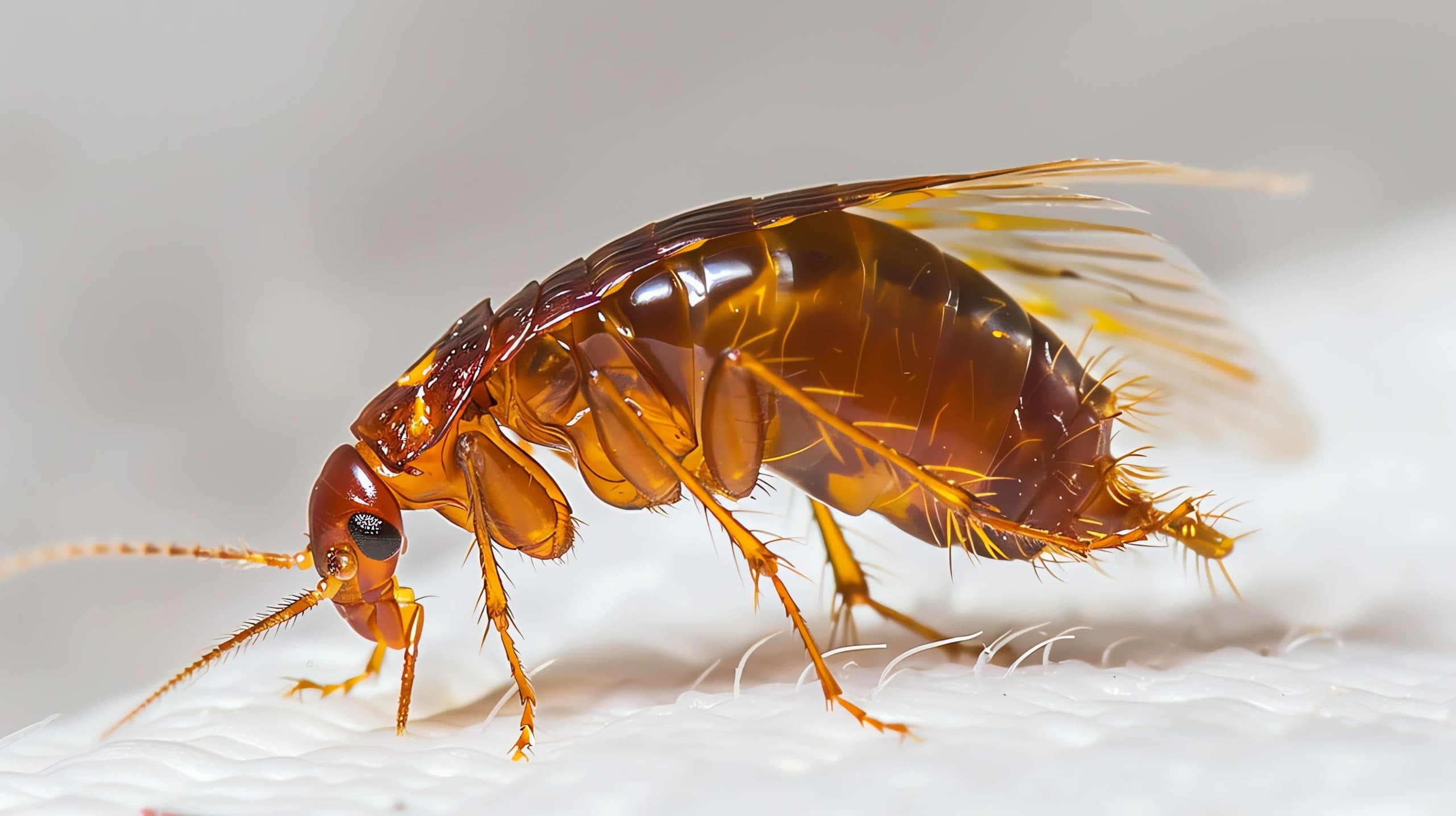
Warm indoor environments can also encourage other pests. Learn more about our Cockroaches Control service if you’ve noticed other insects around heated areas.
Follow the Trail Before You Remove It

The first instinct is often to wipe every ant away. Cleanliness matters, but the trail is useful evidence. Watch it for a few minutes before removing it.
Notice where the ants first appear, which direction they travel and where they disappear. Workers carrying food away from a cupboard may be heading back towards the nest. Ants entering through a door threshold may be travelling from paving or soil outside.
The trail is the map. Follow it before guessing.
Once you understand the route, clean the affected surface and remove the likely attraction. Killing a few visible workers may reduce activity briefly, but the colony can continue replacing them while the route remains worthwhile. The BPCA’s professional ant-control guidance explains why the wider colony and its nesting behaviour must be considered rather than focusing only on visible workers.
Clear Pest Control pest advice begins with the same questions: where are the ants entering, what are they finding and does the trail return once the immediate attraction has been removed?
Where Are the Ants Getting In?
Ants can pass through openings that are easy to overlook. The best place to inspect is where the trail reaches an edge, joint or hidden gap.
A line beside a patio door may connect to paving outside. Ants beneath a sink may be following pipework through the wall. Workers appearing below kitchen units can travel behind cabinets before emerging into the room.
Avoid sealing the gap immediately if ants are still actively disappearing into it. When the wider source has not been addressed, blocking one route can cause the activity to appear somewhere else.
Is the Nest Inside or Outside?
Ants indoors do not automatically mean the colony is living inside the property.
Black garden ants commonly nest in dry soil, lawns and beneath paving slabs. Patios are especially suitable because they offer sheltered ground that warms quickly in the sun. Small deposits of fine soil can appear beside the entrance as workers excavate the nest.
An outdoor colony is more likely when activity rises during warmer weather and the trail leads towards a garden-facing door or exterior wall. You may also see workers moving between cracks in paving or gathering around one edge of the patio.
An internal source becomes more likely when ants appear in several rooms, remain active during colder periods or repeatedly emerge from the same internal crack.
If you’re still unsure why ants have appeared indoors, our article Ants in UK Homes: Types, Where They Come From and What Attracts Them explains the most common causes and warning signs.
Flying ants coming from beneath flooring or inside a wall can also indicate that a mature colony is close to the emergence point.
Types of Ants You May Be Seeing

There are around 60 types of ants in the UK, although only a small number commonly cause problems inside buildings. The Natural History Museum’s flying ant guide provides useful information on black garden ants, reproductive flights and the larger queens people often notice during summer.
If you are still unsure what you are looking at, start with the basics of identifying ants in your home.
The type matters because an outdoor black garden ant colony, a summer flying-ant swarm and tiny ants inside a heated block do not point to the same cause.
Black Garden Ants
Black garden ants are the most likely source of an ordinary household trail. Their colonies commonly sit outdoors beneath paving, in dry soil or close to walls.
Workers come inside to find food while the queen and the main colony remain outside. This explains why removing the visible ants often gives only temporary relief.
A colony can hold up to 15,000 workers, although only part of that population will forage inside the property. The number seen indoors is therefore not a reliable measure of the colony’s full size.
Pharaoh Ants
Pharaoh ants are much smaller and favour continuously heated buildings. They can become established inside blocks of flats, hospitals and other shared structures.
They can also form new satellite nests when disturbed. The BPCA’s guidance on Pharaoh ants warns that these ants can split their colonies and spread across a building, which is why professional identification and species-specific treatment matter.
Tiny ants appearing in several rooms or across different flats should not be assumed to be ordinary garden ants.
Carpenter Ants
Carpenter ants are often searched when people see large black ants or worry about insects damaging timber.
In many UK homes, though, the more likely explanation is black garden ants following a food trail or large winged queens appearing during summer. Size alone does not identify carpenter ants.
Large ants do not automatically mean the timber is being damaged. Look for wings, note where the insects appeared and take a clear photograph before assuming the species.
If you are concerned about insects damaging wooden structures, our Woodworms Control guide explains how genuine timber pests differ from carpenter ants.
Fire Ants
Fire ants are another type people search for after finding red insects or experiencing a sting.. However, the invasive red imported fire ant is not a common or established household species in Britain.
A red ant found in a UK garden is not automatically a fire ant, and proper identification should come before any conclusion.
Why Do Flying Ants Suddenly Appear?
Flying ants are winged reproductive males and queens, known as alates. In UK towns and cities, they are usually produced by mature black garden ant colonies.
The colony releases them so they can mate. New queens then attempt to begin colonies of their own.
Nearly 90% of the winged ants recorded during Royal Society of Biology surveys were black garden ants. Queens can reach around 15 mm, making them much larger than the workers normally seen indoors. These figures are covered in the Natural History Museum’s guide to flying ant season.
When Do Flying Ants Come Out?
Flying ant activity usually peaks during hot, humid weather in July or August. Swarms can appear between June and early September, and there is no single national flying ant day.
Built-up areas may experience swarms earlier because towns and cities tend to stay warmer than surrounding rural locations.
What Does Indoor Activity Mean?
Winged individuals outdoors during suitable summer weather may simply be part of a normal mating flight.
The situation is different when winged ants repeatedly emerge from an internal wall, floor edge or window gap. That can suggest the mature colony is close to that part of the property.
A sudden outdoor swarm can be seasonal. Repeated indoor emergence deserves closer inspection.
Find out more about Clear Pest Control and how we help homeowners and businesses across the North East tackle common pest problems.
Activity Across Newcastle, Sunderland and the North East

Problems across the North East are usually shaped by the building and its surroundings rather than the name of the town. A garden nest close to a patio, an exposed food source or a small gap around pipework can create the same pattern in Newcastle, Gateshead or elsewhere in the region.
Ant control becomes more relevant when the same trail keeps returning around kitchens, cupboards, paved yards or ground-floor access points after the obvious attraction has been removed.
People searching for ant control near me are usually trying to decide whether they have one manageable trail or a wider infestation. The key difference is whether the reward and entry point can be identified, and whether the activity stops once both are addressed.
When Does the Problem Need Professional Treatment?
Professional help makes more sense when the same trail keeps returning after the food or moisture source has been removed.
It is also worth getting advice when ants are active in several areas, the entry point is inaccessible or winged individuals are emerging from inside the building. Tiny species in a heated flat or shared structure should also be identified before treatment begins.
The treatment must match the ant type and the location of the colony. Killing surface workers while the queen and nest remain active can make the problem look quieter without resolving it.
Contact Clear Pest Control if you cannot trace the route or the problem keeps returning. Send clear photos and explain where the insects first appear, where they travel and whether any have wings. This can help establish whether the source is an outdoor colony, an internal nest or a species requiring more specialist treatment.
FAQs
How do I find where ants are coming from?
Watch the trail before cleaning it. Follow the workers towards the point where they disappear beneath a door, behind a skirting board or into a wall gap. Also check the opposite end of the trail for food, moisture or waste that may be keeping the route active.
Why do ants keep coming back after I clean?
Cleaning removes visible workers and some of the chemical trail, but it may not remove the reward or the colony. Activity can return if crumbs remain beneath an appliance, a leak continues or the same gap still provides access.
Does seeing one ant mean there is an infestation?
One ant may be a scout, so a single sighting does not prove there is an established indoor problem. A repeated trail, workers returning to the same place or flying ants emerging indoors provides stronger evidence that a colony is active nearby.
Can ants live inside walls?
Some species can nest within wall voids or use the spaces around pipework and skirting boards as travel routes. However, ants disappearing into a wall do not always mean the nest is inside it. They may be travelling through the structure towards an outdoor colony.
Should you seal an ant entry point immediately?
Not always. If ants are actively using the opening, first work out what they are finding and whether the colony is indoors or outside. Sealing one gap too early can cause workers to find another route.
Can you deal with ants yourself?
You may be able to correct the cause when there is one visible trail, an obvious food or moisture source and a clear external entry point. Professional advice is safer when the species is uncertain, several rooms are affected or the colony appears to be inside the structure.
Are ants a problem in Newcastle?
Ants can become a problem when workers repeatedly enter kitchens, cupboards or food areas. The cause is usually a nearby nest, an accessible reward or a small entry gap rather than Newcastle itself.
Why do ants suddenly appear in Sunderland?
Workers can appear suddenly after discovering food, moisture or a new route inside. During hot summer weather, the activity may also involve flying ants leaving a mature colony.
Why are there so many ants in my house in Gateshead, UK?
Large numbers usually mean the workers have established a successful route. The colony may still be outside, while food, warmth or moisture keeps drawing ants into the property.
What are the big black ants called in South Tyneside?
Large black ants seen during summer may be winged queens from black garden ant colonies. These queens are much larger than ordinary workers and can reach around 15 mm.
What are the big black ants called in North Tyneside?
They may be black garden ants or reproductive queens appearing during flying-ant season. Size alone does not mean they are carpenter ants, so a clear photograph is useful for identification.
What are flying ants?
Flying ants are winged queens and males produced by a mature colony. They leave the nest to mate before the queens attempt to establish new colonies.
When do flying ants come out?
They are most often seen during warm and humid weather in July or August, although swarms can happen from June until early September.
Why do flying ants suddenly appear?
A mature colony can release many winged ants within a short period when weather conditions are suitable. This makes the swarm look sudden, even though the colony has been developing for much longer.