A few ants can seem perfectly manageable at first, until they start acting like they have conquered the house.
A sudden trail usually means these pests have found something worth returning for. The nest may already be nearby, but indoor activity only starts once workers find a useful route to food, moisture or shelter.
This article by Clear Pest Control explains why ants suddenly appear indoors, what flying ants mean, where they are usually coming from, and when early activity may point to a bigger pattern.
Why Do Ants Suddenly Show Up Indoors?

Image by @Oktavianus Mulyadi
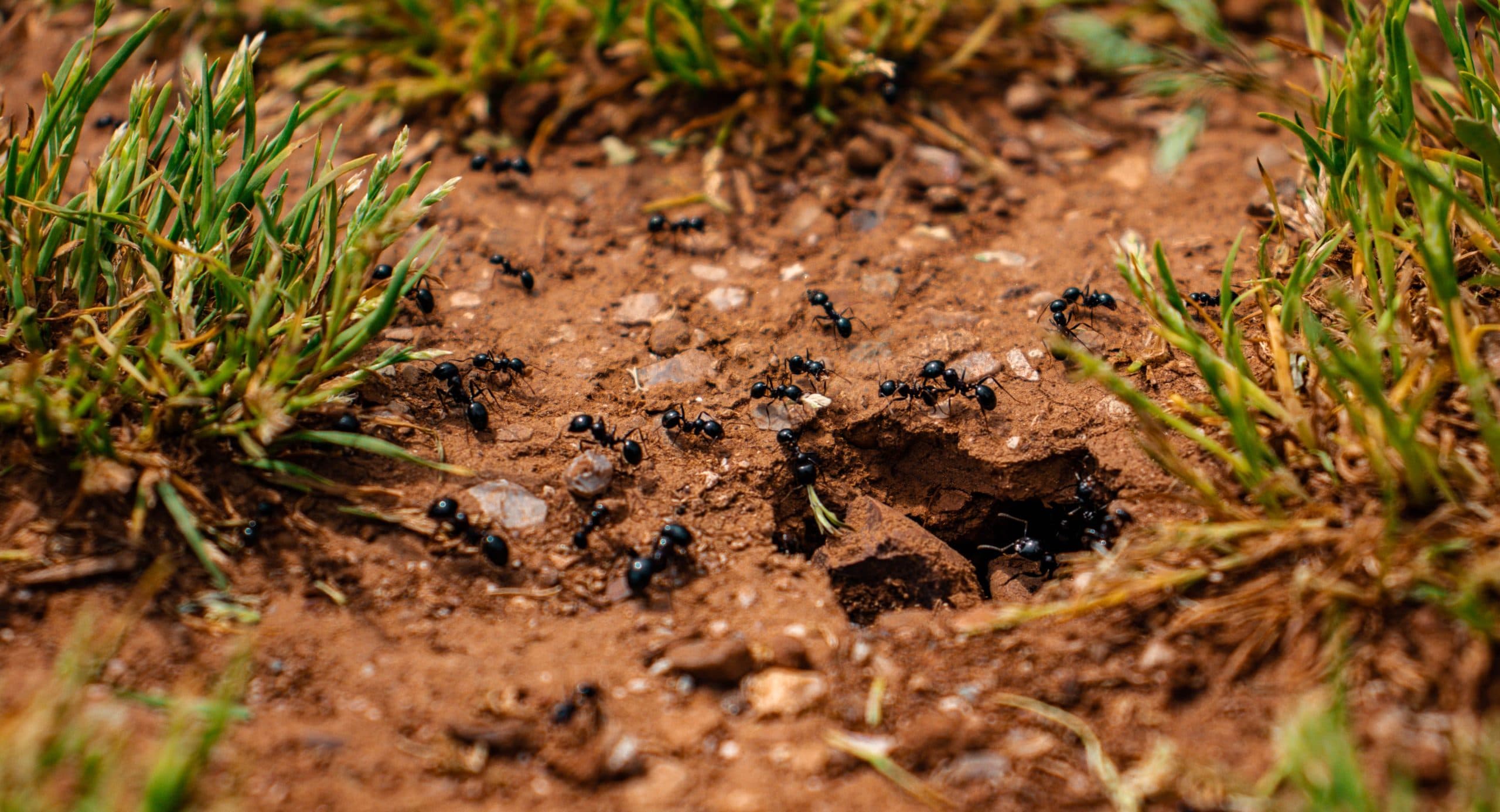
Ants usually appear indoors because worker ants are searching for food. They find a route, follow edges and gaps, then keep returning if the trip is worth it, that is why one or two can quickly turn into a steady trail.
The BPCA guide to ant control explains that the black garden ant is the commonest species to invade houses. It says the worker ants enter buildings in search of food, especially sweet foodstuffs, which they take back to the nest to feed the larvae and queen.
The visible ones are usually workers following a route, not the whole colony casually moving into the biscuit cupboard. The nest may be outside, under paving, near the wall, in soil, or hidden close enough for indoor foraging to become a habit.
Ants in house situations become more concerning when the same trail keeps coming back after cleaning, when they appear in more than one room, or when the entry point is difficult to find.
Common Ants Found Around UK Homes
The usual indoor culprit is the black garden ant. Despite the name, black garden ant has a very dark brown rather than pure black, with worker ants usually around 3 to 5mm long.
Black ants are highly organised social insects. They work as a colony, which is why removing a few visible ones rarely tells the whole story. The trail is often more useful than the insect itself.
Red ants can also be found in the UK, but they are not usually the classic kitchen-trail problem people notice indoors. The Natural History Museum says they are among the common British species that can grow wings and swarm, though most recorded flying ant sightings are black garden ants.
Colour helps, but the route matters more. Where they enter, where they feed and whether the same trail returns will tell you more than one quick glance at the worktop.
Why Do Ants Keep Heading for the Kitchen?
Kitchens give ants exactly what they are looking for: crumbs, sugar, sticky spills, pet food, fruit, bins and food residue around cupboards or appliances, they do not need a full feast. A small sweet spill can be enough.
BPCA notes that foraging worker ants are attracted to sweet foodstuffs. That explains their presence in kitchen areas around worktops, cupboards, bins, drink spills, food storage and pet bowls.
If they keep appearing in the same line, they are probably following a scent trail between the food source and the nest. Cleaning the surface can help, but it may not solve the route. If the nest is nearby and the access point is still open, an ants in kitchen problem is likely to persist.
Clear Pest Control services can help where these small pests keep returning, trails are spreading, or the source is hard to find. The aim is to understand the route, the likely nest location and what is attracting the activity.
Bathroom Ants and Moisture Clues
Ants in bathroom areas can feel odd because there may be no obvious food nearby. In these rooms, the clue may be moisture, warmth, pipe routes, wall gaps, skirting boards, cracks around tiles or nearby nesting activity.
Bathrooms can also sit close to hidden access points, which may help them Ants move along pipework, under floors, behind bath panels or through small gaps around walls and fittings. A bathroom sighting does not always mean the nest is in the bathroom.
An ant in a bathroom are often a clue to access, warmth or moisture, not just food. If the same corner, pipe area or skirting line keeps showing activity, follow the route rather than guessing.
From Garden Nest to Indoor Trail

Image by @Egor Kamelev
Ants in garden areas are normal. They live in colonies, use outdoor routes and often nest close to lawns, paving, patios, stones, flower beds or dry soil. The problem starts when an outdoor route finds a useful way indoors.
The Natural History Museum explains that the black garden ant nest in dry soil and are often found in flower beds, lawns, under paving slabs or stones, with patios as a favoured location.
The nest may be outside, but the trail can still end up indoors. Door thresholds, air bricks, cracks, pipe gaps and tiny spaces around walls can all become routes from the garden into the house.
This is why ants in the house can appear after warm weather, garden activity or small changes around patios and paving. The colony may already be nearby. Indoors just became worth exploring.
If you’d like to learn more about Why You Have Ants in Your Home: Common Causes and Entry Points Explained, check out our blog for detailed reviews
Flying Ants, Queens and Mating Flights
What are flying ants? They are winged reproductive ants, usually males and young queens leaving the nest to mate. After the mating flight, males die, while fertilised queens look for suitable places to start new colonies.
Flying ants are part of the colony’s life cycle, not a sign that ordinary ones have suddenly transformed into a worse pest.
Flying ants in house situations can happen when winged ants enter from outside through windows, doors or gaps. In some cases, they may suggest a nest is close by, especially if they appear repeatedly indoors rather than as a one-off summer swarm.
Flying Ants Day and Summer Swarms
Flying ants day sounds like one neat date when every winged ant in the country gets the same calendar invite, sadly, they are not that organised for our convenience.
The Natural History Museum explains that flying ant swarms usually happen in July or August during hot, humid weather, but they can appear between June and early September.
Flying ants UK sightings can look sudden because many colonies release winged ants around similar conditions. That is why streets, gardens and windowsills can seem fine one day, then full of flying creatures the next.
Ant Bites, Stings and Skin Reactions
Do ants bite?
Some can bite or sting depending on the species, but most common household ant problems are more about food trails, nests and repeated activity than bites.
Do flying ants bite?
Flying ants are not usually a major biting concern. They are winged reproductive ants, so their main purpose is to leave the nest, mate and move on.
NHS guidance on insect bites and stings says they are not usually serious and often get better in a few days, but they can sometimes become infected or cause a serious allergic reaction. It lists common symptoms such as pain where you were bitten or stung and a small swollen lump.
For more practical pest advice, the Clear Pest Control Blog can also help readers understand early warning signs before a small issue becomes harder to manage.
Ant Trails in North East Homes

Image by @Timon Cornelissen
North East homes can give these small creatures plenty of useful routes: older brickwork, garden paving, door thresholds, extensions, pipe gaps, kitchens close to patios, and small spaces around skirting boards or walls. The route may be tiny, but they do not need a front door. A crack will do.
Ant control Newcastle may be needed when repeated trails keep appearing around kitchens, food storage, door thresholds or garden-facing rooms. The key is to find where they are entering and what keeps them coming back.
Ant pest control Sunderland becomes more relevant when activity returns after cleaning, sealing obvious gaps or removing easy food sources. At that point, the source may be outside, hidden nearby, or harder to reach than it first looked.
Local ant problems are usually about the route: where they enter, what they find, and why they keep coming back.
Use This Quick Ant Activity Checklist
Before deciding whether ant activity needs professional attention, look at the pattern. The aim is to understand whether this is a one-off sighting, a food trail, a nearby nest or repeated indoor activity.
Ask these questions as you check:
- Do they follow the same route each day?
- Are they appearing near food, bins, pet bowls or sticky spills?
- Are they coming from a door, skirting board, wall gap or pipe route?
- Is there outdoor activity near paving, patios, lawns or flower beds?
- Are flying ants appearing indoors during warm summer weather?
- Are they appearing in a bathroom, airing cupboard or damp area?
- Does the trail return after cleaning?
- Are there small soil piles or nest entrances outside?
If the same trail keeps returning, the cause is usually access, food, moisture or a nearby nest rather than a one-off sighting.
When the Same Ant Trail Keeps Coming Back
If ants keep returning to the same kitchen, bathroom, doorway or garden-facing room, cleaning alone may not be enough. A quick wipe can remove the visible trail for a while, but it will not always deal with the nest, entry point or reason they are coming inside.
If you are searching for ants control near me because the same route keeps appearing, the Clear Pest Control team can help assess what is going on and explain the next sensible step.
For advice, email the Clear Pest Control team at info@clear-pest-control.co.uk with clear photos or a short video of the ant trail, entry point or affected room.
The earlier the route and source are understood, the easier the problem is to stop before it spreads.
FAQs
What are flying ants?
Flying ants are winged reproductive ants. In UK urban areas, they are usually queens and males of the black garden ant leaving the nest for a mating flight.
Do flying ants bite?
Flying ants are not usually a major biting concern. Treat any bite or skin reaction sensibly and follow NHS advice if swelling, pain, infection or allergic reaction symptoms appear.
Do ants bite?
Some can bite or sting, but many household ant problems are more about food trails, nests and repeated activity than bites.
What is flying ants day?
Flying ants day is the common name for summer swarming, but it is not always one single day. It usually happens in warm, humid weather, often in July or August, with several peaks over the season.
Why are there ants in my kitchen?
They are usually following food. Crumbs, sugar, sticky spills, pet food, fruit, bins and food residue can all attract worker ants.
Why are ants in my bathroom?
They may be using gaps, pipe routes, warmth or moisture, especially if there is a nearby nest or hidden access point.
Are black ants common in UK houses?
Yes. BPCA says the black garden ant is the commonest species that invades houses.
Are red ants a problem indoors?
Red ants occur in Britain and some species can swarm, but repeated indoor trails are more often linked with black garden ants.
Sources
[1] BPCA — Pest Advice for controlling Antshttps://bpca.org.uk/a-z-of-pest-advice/ant-control-how-to-get-rid-of-ants-bpca-a-z-of-pests-/188954
[2] NHS — Insect bites and stingshttps://www.nhs.uk/conditions/insect-bites-and-stings/
[3] Natural History Museum — Flying ant day: when winged ants take their nuptial flighthttps://www.nhm.ac.uk/discover/when-why-winged-ants-swarm-nuptial-flight.html