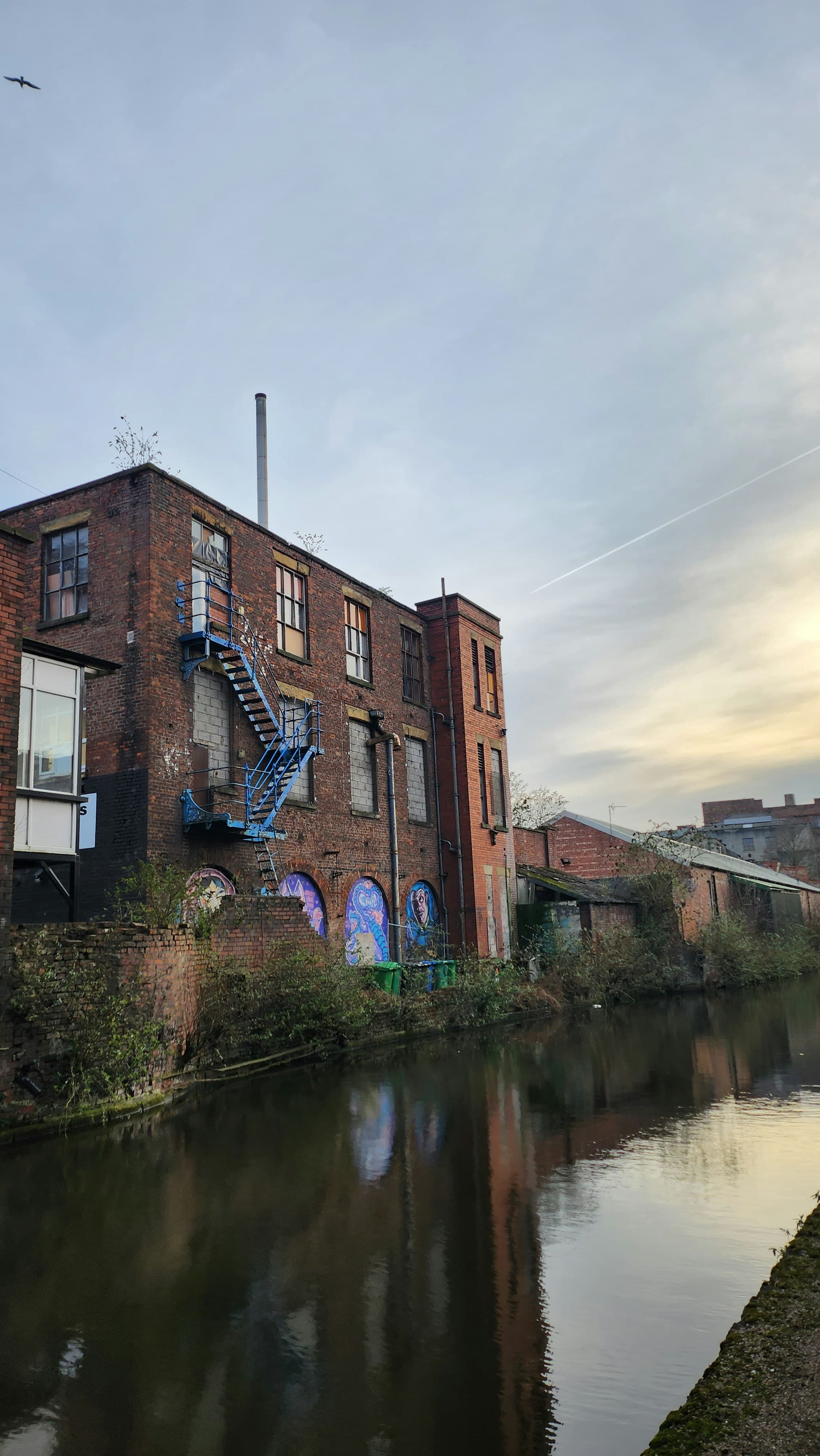
Wasps around eaves, lofts and sheds
Wasp nests may occur around rooflines, sheds and sheltered structures. Activity is often more noticeable in warmer months; do not disturb an active nest.


Call 0191 829 9920
Tap To Call For Immediate Help

Greater Manchester
Pest control enquiries in Ashton-under-Lyne and surrounding parts of Tameside, including Audenshaw, Dukinfield, Stalybridge and Mossley. Contact us about rats, mice, wasps, bed bugs and other pest concerns.
The town we work in
Ashton-under-Lyne is a town in the Metropolitan Borough of Tameside. The official figures below describe Tameside borough, not Ashton-under-Lyne town alone. Pest risks depend on the property and its conditions, not housing tenure or neighbourhood labels.
240,822
Tameside residents (mid-2025)
ONS mid-2025 population estimate for Tameside borough, not Ashton-under-Lyne town alone.
5.4%
Tameside population growth, 2011–21
ONS Census comparison records growth from about 219,300 residents in 2011 to 231,100 in 2021.
17.5%
Tameside privately rented (2021)
ONS Census 2021 share, up from 13.2% in 2011. Housing tenure does not establish pest prevalence.
21.2%
Tameside socially rented (2021)
ONS Census 2021 share, compared with 21.5% in 2011.
60.8%
Tameside owner-occupied (2021)
ONS figure for outright ownership or ownership with a mortgage or loan; shared ownership is counted separately.
99,527
Tameside households (2021 Census)
The 2021 Census recorded 99,527 households across Tameside borough, not just Ashton-under-Lyne.
Official borough-level statistical sources: Nomis: Tameside mid-2025 population · ONS: Tameside Census comparison · Census 2021: household count and tenure
Local pest pressure
Tameside Council’s 2026–27 pest-control information lists treatment services for rats, mice, squirrels, wasps, bed bugs and cockroaches. The examples below explain property conditions that can contribute to pest problems; the council’s service list does not measure infestation frequency in Ashton-under-Lyne or identify neighbourhood hotspots.
Wasp nests may occur around rooflines, sheds and sheltered structures. Activity is often more noticeable in warmer months; do not disturb an active nest.
Rats may exploit damaged drainage, food waste and openings around pipes or buildings. Tameside Council recommends secure rubbish and food storage and keeping overgrown vegetation under control. Where rats keep returning, a drain survey can find a damaged pipe.
Cockroaches may shelter near appliances, moisture and concealed kitchen spaces, and affected kitchens may need specialist cleaning after treatment. Cockroach treatment is listed in Tameside Council’s 2026–27 pest-control information; this does not establish local infestation levels.
Mice can enter through small gaps and move around pipework, cupboards and concealed voids. Tameside Council advises that rats and mice are active throughout the year, so inspections should not be limited to winter.
Bed bugs can be transported in luggage or furnishings and shelter around bed frames. They can affect any property type; no verified Ashton-under-Lyne hotspot is implied.
Businesses can reduce pest access by inspecting delivery areas, sealing entry points and securing waste. Tameside Council’s 2026–27 information lists commercial pest-control work as subject to quotation; this is a council service, not a Clear Pest Control pricing claim. Our own commercial pest control covers regular visits and written records.
Current official council guidance: Tameside Council: 2026/27 pest services · Tameside Council: rats and mice · Tameside Council: pest FAQs
Seasonal pest prevention guidance
Spring
Queen wasps may begin establishing nests as temperatures rise. Check eaves and sheds without disturbing active nests.
Summer
Wasp colonies typically grow in warmer months. Keep outdoor food and waste covered.
Autumn
Wasp colonies generally decline later in the year. Rats and mice continue seeking food and shelter year-round.
Winter
Rats and mice remain active, including indoors. Inspect building gaps, drainage and food storage throughout the year.
These are general UK seasonal patterns, not measured seasonal infestation figures for Ashton-under-Lyne. Tameside Council confirms that rats and mice are active year-round.
What we treat here
Outside the town
Explore nearby locations in Greater Manchester. Please confirm technician coverage for your Ashton-under-Lyne postcode before booking.
Before you book
Five practical reads about pests that may affect Ashton-under-Lyne homes, flats and businesses.
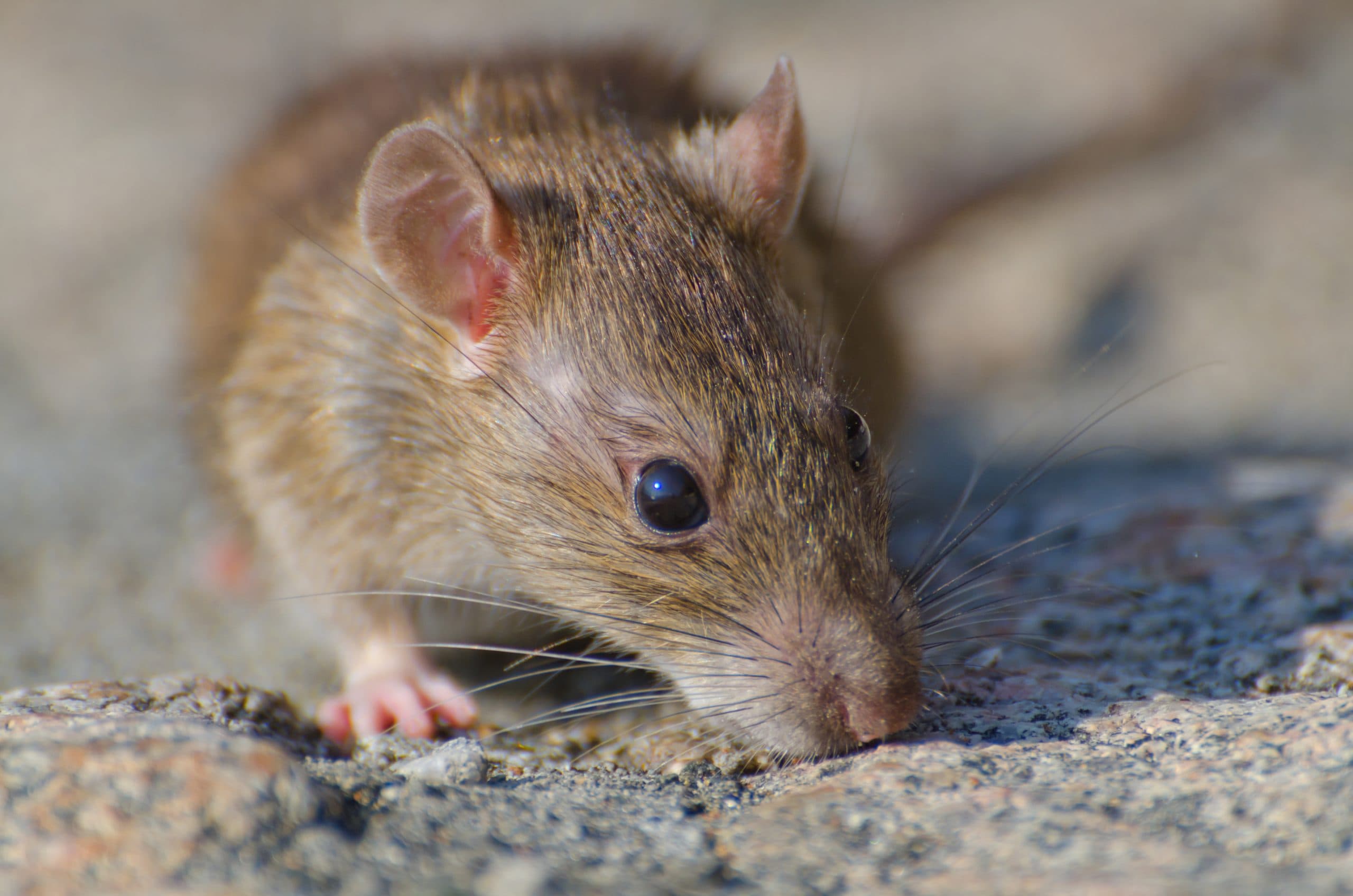
What Causes a Rat Infestation? How Rats Get In and Why They Keep Coming Back
Read article →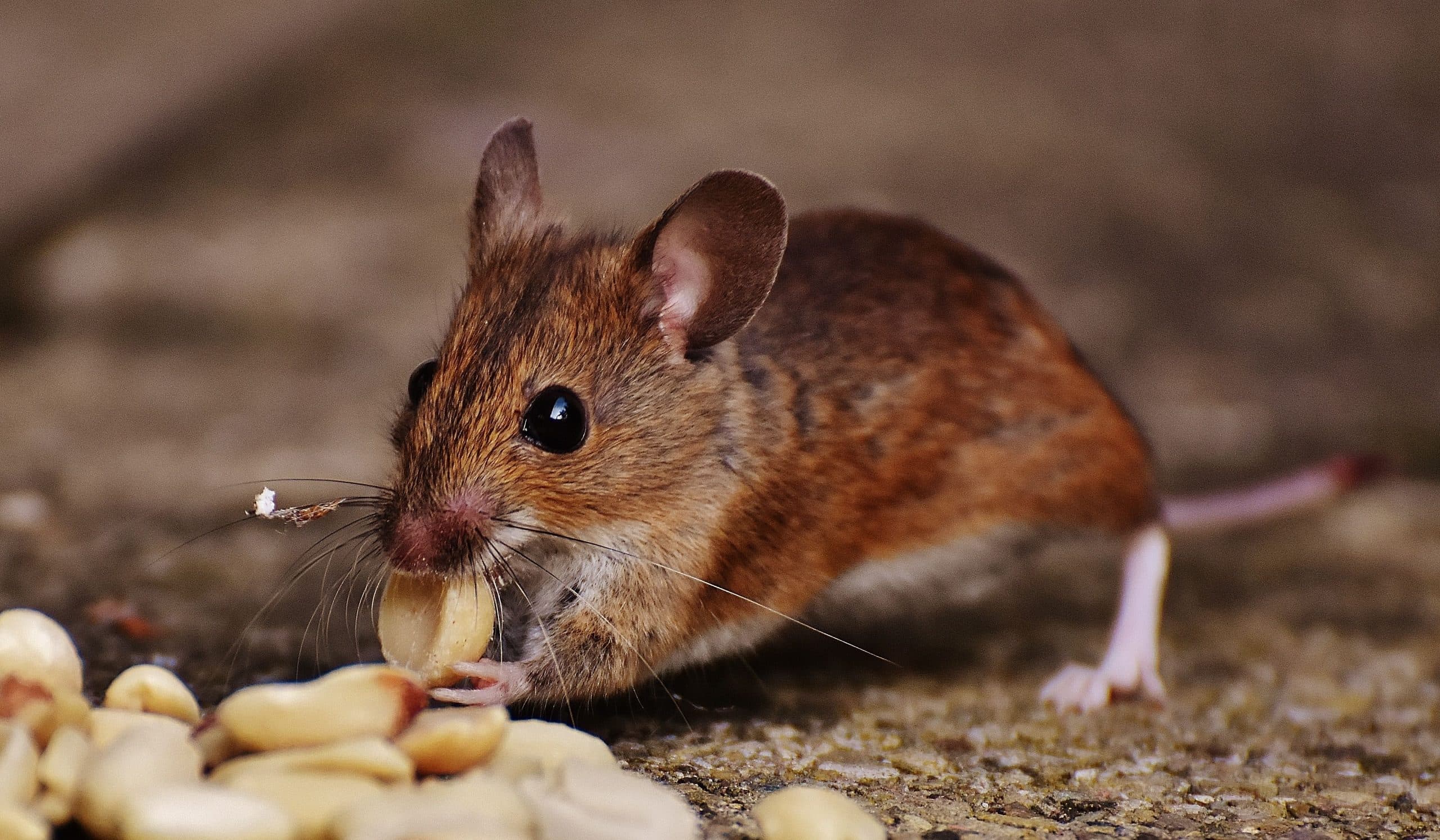
Why Do Mice Come Inside? Entry Points, Attractants and How Infestations Start
Read article →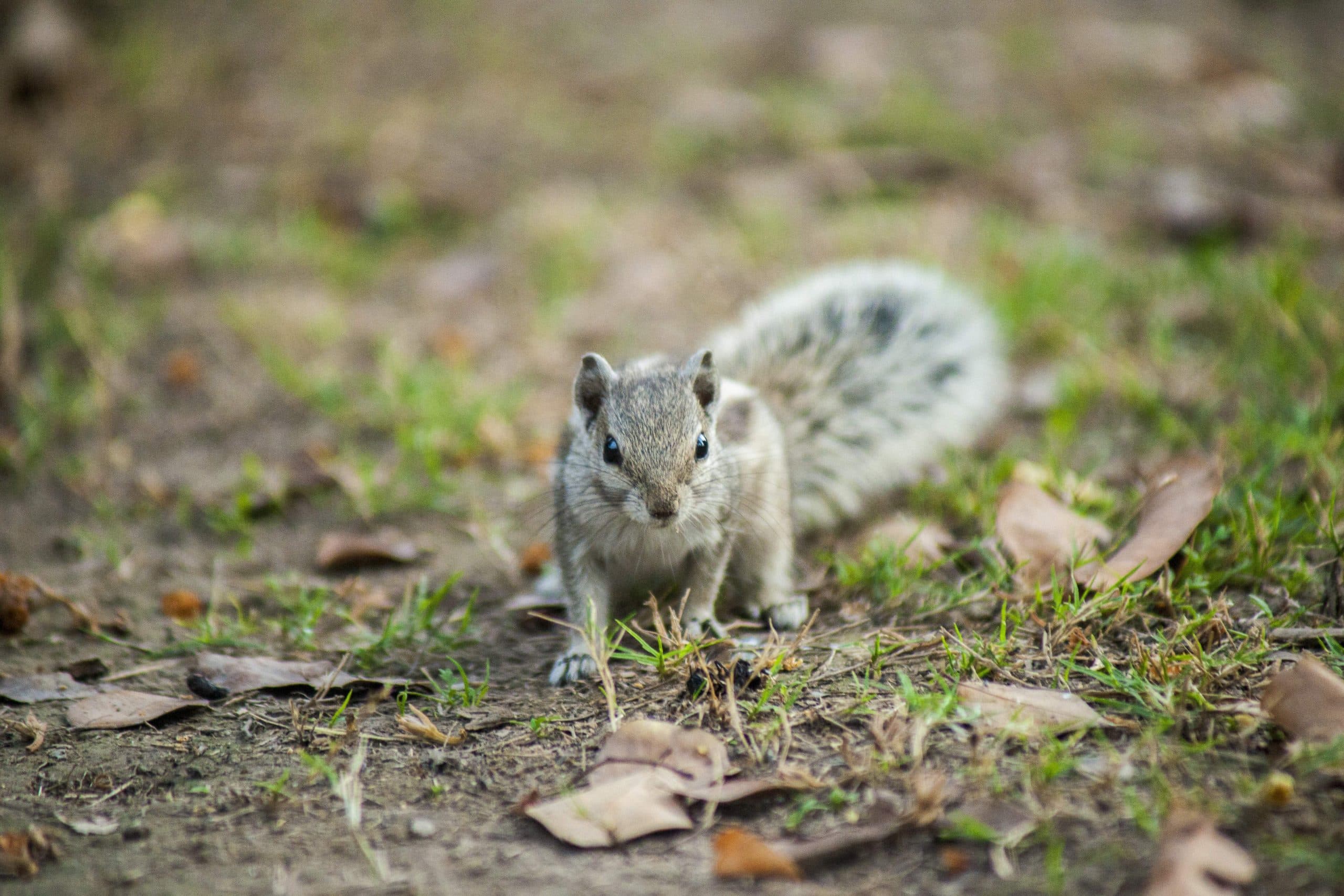
Squirrels in the Loft or Garden: What the Problem Really Looks Like
Read article →
Wasp Nests in the UK: Types, Locations and Why Early Season Removal Matters
Read article →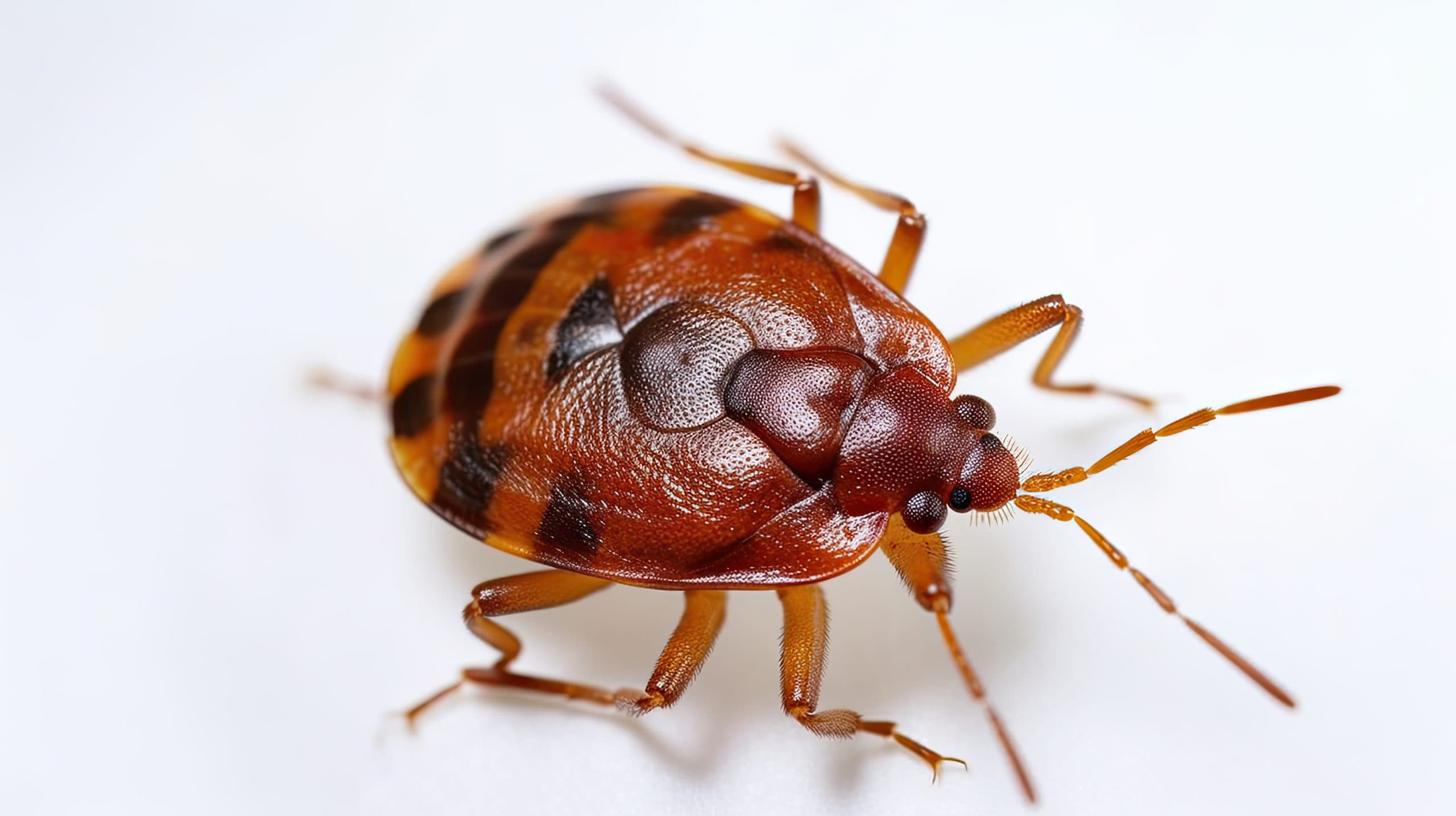
How Do You Get Bed Bugs? The Real Causes Behind an Infestation
Read article →More ways we can help
Treating the infestation is sometimes only part of the job. These services help put the property right afterwards.

Our approach to treatment and prevention.

Restoring spaces after contamination.

Finding hidden rat entry routes.

Decontamination for sensitive spaces.

Insulation spoiled by rodents or squirrels.

Clearing difficult properties.
The people behind the work
Questions
Contact us with your postcode to confirm technician availability for Ashton-under-Lyne and nearby areas such as Audenshaw, Dukinfield, Stalybridge and Mossley.
Appointment times depend on the postcode, technician availability and pest issue. Contact us for the earliest available appointment; same-day service is not guaranteed.
No. The population and housing statistics above are for the Metropolitan Borough of Tameside, which includes Ashton-under-Lyne and other towns.
No. Tameside Council advises that rats and mice are not limited to a particular time of year. Look for droppings, runs, smears, holes and nests.
Contact us to discuss the pest, property type and available inspection or treatment options. The approach depends on confirmed activity and access.
More questions? Read our full FAQ or browse our pest advice.
Tell us what you have seen and share your Ashton-under-Lyne postcode. We will discuss the next steps and available appointments.