If bed bugs are active in your home, they did not appear because the room was dirty. They were carried in on something, moved from another part of the building or arrived with someone who had recently been somewhere infested.
It does not take dozens of bugs to start the problem. The BPCA guidance on bed bug biology explains that one mated female can be enough to establish an infestation, and under favourable indoor conditions, hundreds of young bed bugs may be present within ten weeks.
This article by Clear Pest Control explains the real causes of bed bug infestations, the early signs worth checking and when bites or marks need professional confirmation.
How Do Bed Bug Infestations Start?

A bed bug infestation starts when one or more insects are introduced into the property. They may arrive inside luggage, clothing, a bag, furniture or another item with enough seams and gaps to hide them during the journey.
In flats, hotels and shared buildings, bed bugs can also move from one affected room to another. Narrow gaps around pipes, walls and electrical points may give them routes through the structure.
Once inside, they settle close to somewhere a person regularly sleeps or rests. The bugs feed, return to a protected hiding place and begin laying eggs if conditions allow.
The BPCA bed bug guide makes the point clearly: dirt is not the cause. A clean bedroom can become infested just as easily as an untidy one if a bed bug is carried inside. Clutter matters because it creates more hiding places and makes the infestation harder to find, not because it produces the insects.
Where Do Bed Bugs Come From?
The source is often connected with recent movement. Think about what has entered the property, where people have stayed and whether nearby rooms or homes have reported similar activity.
Travel and Luggage
Travel is one of the best-known routes. Bed bugs may hide in suitcase seams, travel bags, folded clothes or belongings left near an affected bed.
They do not usually live on the traveller’s body in the way lice might. The person unknowingly transports them inside an item, then brings that item into the bedroom at home.
Furniture and Belongings
Second-hand beds, sofas, headboards and bedside furniture can carry bed bugs if they come from an infested property.
That does not mean every used item is unsafe. The risk is bringing upholstered furniture indoors without checking the seams, joints, screw holes, underside and any folds in the material.
Bed bugs can also hide temporarily in boxes, books, bags and portable electronics. These are less obvious than a mattress, but they still provide narrow spaces where a small insect can remain undisturbed.
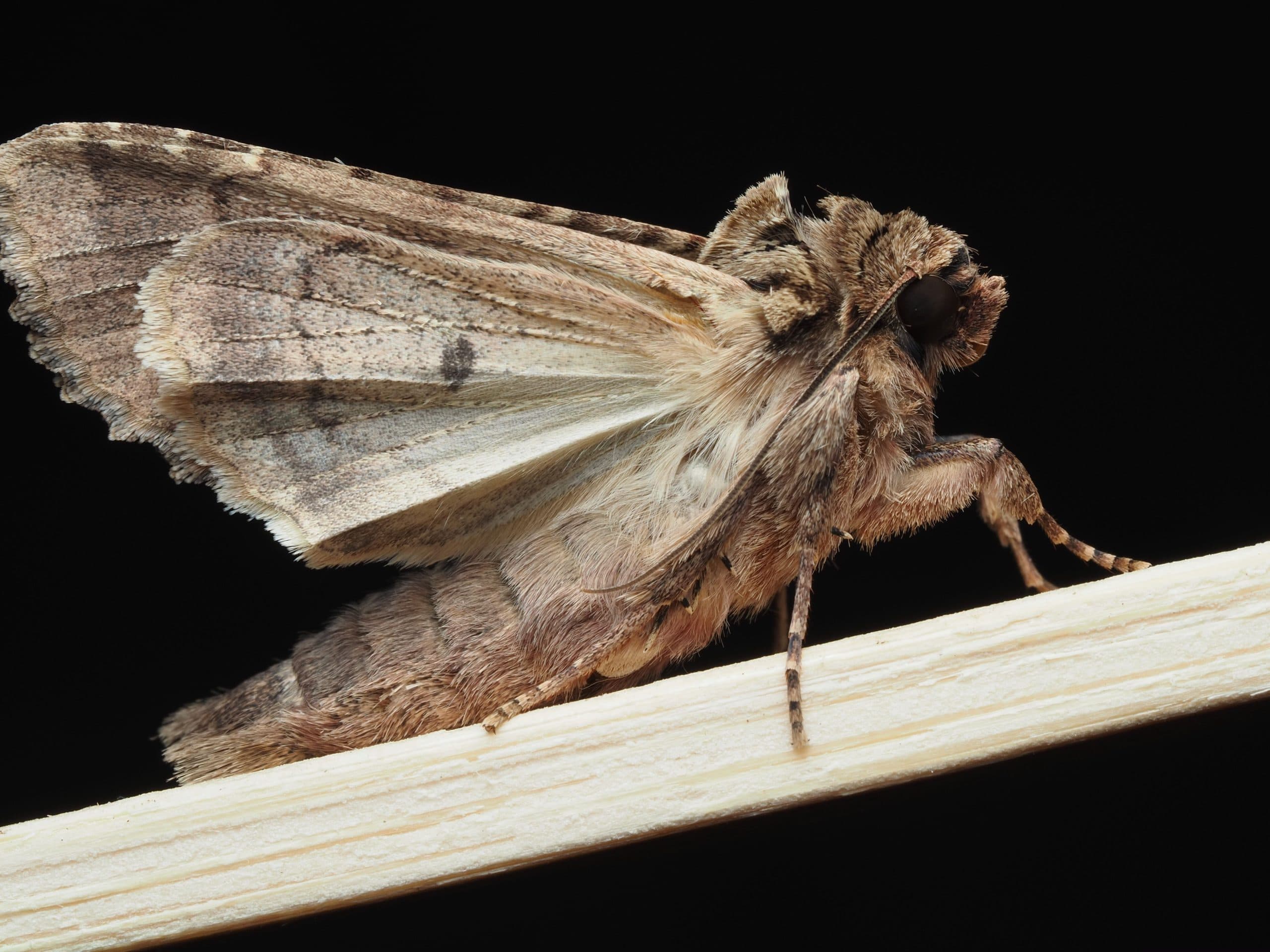
Stored fabrics and furnishings can also be affected by other household pests, including moths, although the signs they leave behind are very different from bed bug activity.
Flats and Shared Buildings
In flats, HMOs and other shared buildings, the original source may not be inside the room where the first evidence appears.
Bed bugs can move between adjoining spaces through cracks, service gaps and routes around pipework or electrical points. Furniture moved along corridors can spread them as well.
What Attracts Bed Bugs?

The BPCA research on bed bug behaviour explains that once they are already inside, they use body heat and the carbon dioxide people breathe out to locate a host. They are looking for blood, not dirt.
This distinction is important. Your warmth does not pull bed bugs into the house from outside. It helps them find you after luggage, furniture or another route has already brought them into the property.
Clutter can help the infestation survive by creating more seams, gaps and protected objects close to the bed. It does not cause the infestation in the first place.
An object usually brings bed bugs inside. Heat and carbon dioxide guide them once they are there.
Why the Bed Is Usually the Starting Point
Bed bugs often stay close to the person they are feeding on, especially during the early stages of an infestation.
BPCA guidance on how bed bugs move and hide indicates that after feeding, they commonly seek shelter within roughly half a metre of the host. That makes the mattress edge, bed frame, headboard and nearby furniture the most valuable places to inspect first.
As the infestation grows, bugs may spread towards bedside furniture, skirting, curtains and wall features. Sofas and armchairs also matter where someone regularly sleeps or rests.
What Are the Early Signs of Bed Bugs?
The early signs of bed bugs are easiest to judge when several forms of evidence appear together.
Bites alongside dark spotting, blood marks, cast skins, eggs or a live insect create a much clearer picture.
Dark Spots
Bed bug spots are usually small faecal marks left near feeding and hiding areas. They can appear along mattress seams, on bed frames, behind headboards or around nearby furniture.
The BPCA bed bug guide explains that the marks may look like tiny dark dots around 1 mm across, although their appearance varies with the surface.
Spotting tends to become heavier close to a harbourage. A few marks on one part of the sheet are useful, but a concentrated group around a bed joint or headboard gap can lead you closer to where the bugs are hiding.
Blood Marks
Signs of bed bugs on sheets can include small blood smears. These may appear when a recently fed bug is disturbed or when a bite site marks the bedding.
Blood on a sheet is not proof on its own. Skin irritation, a small cut or another insect can create similar marks.
Check the mattress seam and bed frame nearest the stain. Blood spots become more meaningful when dark faecal marks, skins or insects are also present nearby.
Eggs and Skins
Bed bug eggs are small, pale and difficult to see without good light. Females usually place them inside protected cracks, seams and joints rather than leaving them openly on the mattress.
Young bed bugs shed their skins as they develop. These cast skins can collect around harbourages with eggs, dark spotting and live insects.
One unidentified white speck can be anything. Several eggs and skins fixed inside the same protected joint deserve closer attention.
What Do Bed Bugs Look Like?
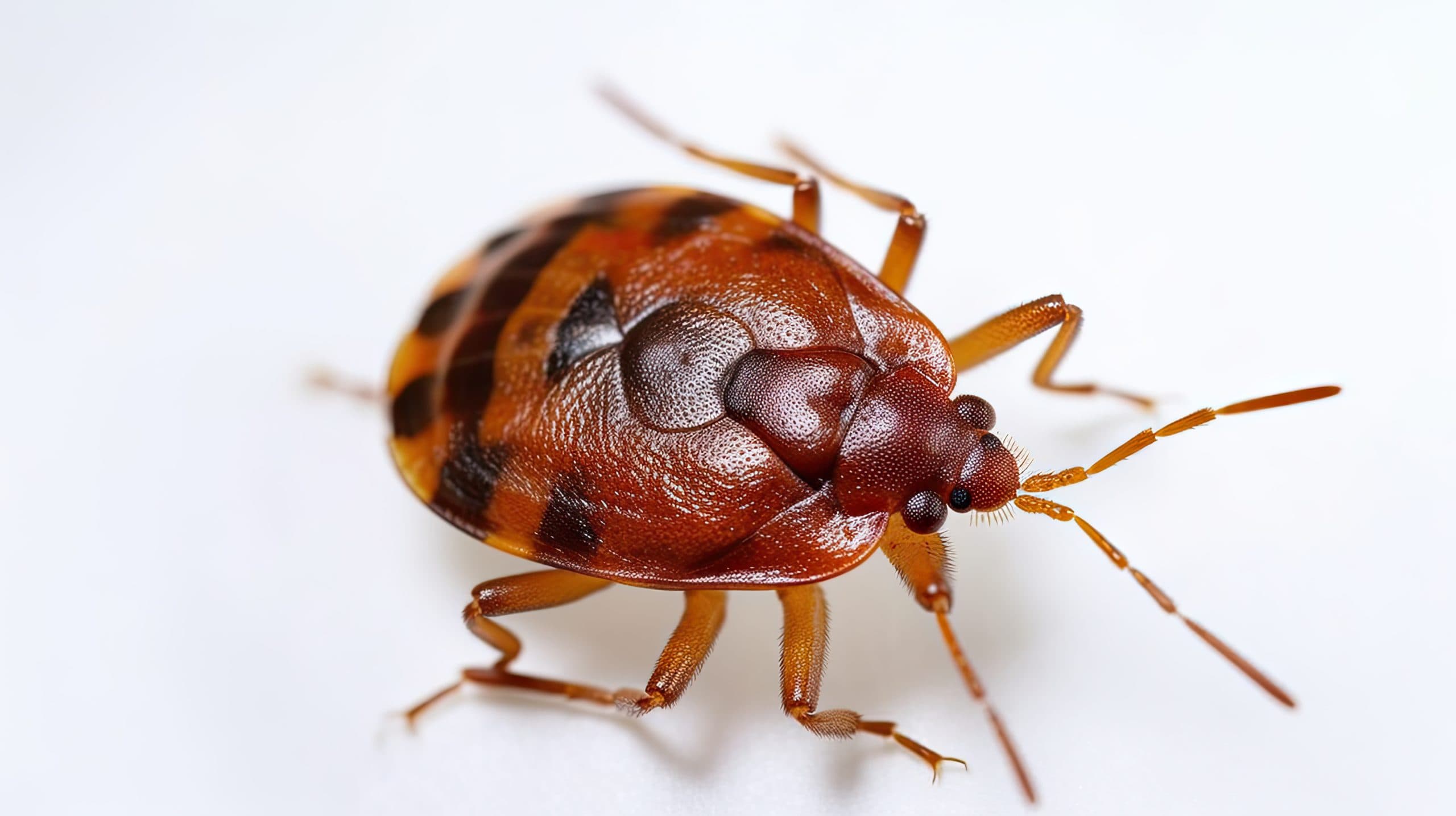
Adult bed bugs are flat, oval and reddish-brown before feeding. They become fuller and darker after taking a blood meal.
Young nymphs are smaller and paler, making them easier to miss against light fabric or timber.
For a fuller breakdown of what bed bugs look like at each life stage, see our guide to identifying bed bugs in the UK.
What Do the First Signs on Walls Mean?

The first signs of bed bugs on walls may include dark spotting around skirting, cracks, loose wallpaper or the edge of a headboard.
Bed bugs may also hide behind pictures and other wall-mounted items close to the bed. The narrow gap between an object and the wall can give them enough protection to settle.
Wall evidence usually matters most when it connects with signs around the sleeping area. Concentrated marks behind the headboard are more convincing than one unexplained spot on the opposite side of the room.
Activity on walls can indicate that the harbourage sits behind the bed or within a nearby crack. It can also mean the infestation has spread beyond the mattress and bed frame.
Wall marks matter most when they form part of the same pattern around the bed.
No Signs of Bed Bugs, but You Have Bites?
Bites alone cannot confirm bed bugs.
Some people develop raised, itchy marks after being bitten. Others show no visible reaction at all. A reaction may also be delayed, with marks appearing several days later rather than the following morning. The [LINK: British Association of Dermatologists → https://www.bad.org.uk/pils/bedbugs-and-managing-bedbug-infestations] notes that reactions can sometimes appear up to ten days after a bite.
This means two people sharing the same bed can react very differently. One may have obvious marks while the other believes they have not been bitten.
The timing can also mislead you. A reaction noticed at home may relate to bites received during a trip several days earlier.
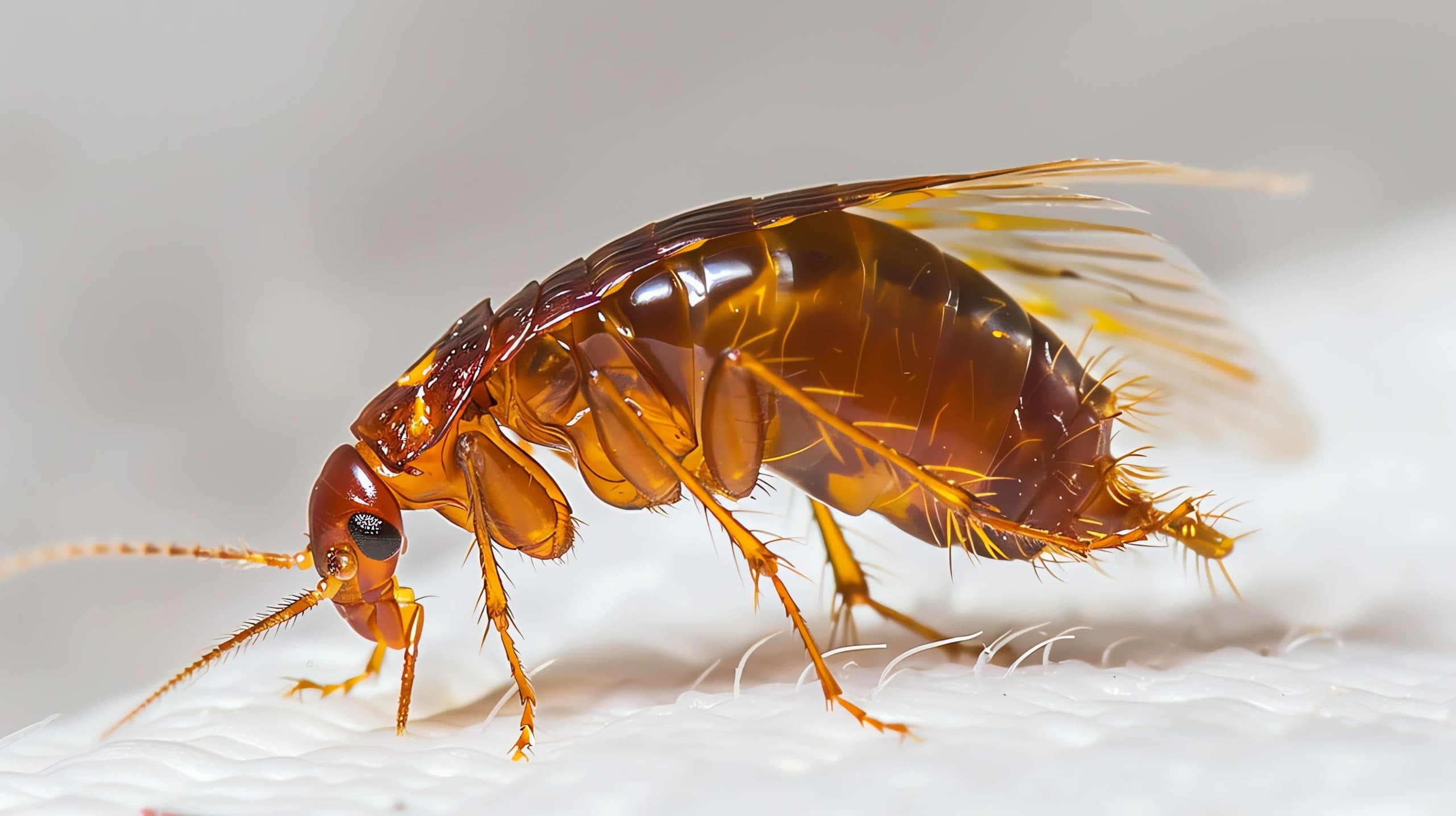
Inspect the bed, frame and nearby furniture for physical evidence. If there are pets, check whether fleas could be involved. Skin conditions such as scabies can also cause night-time itching without leaving bed bug evidence in the room.
A skin reaction tells you something may have happened. It does not tell you what caused it.
Bed Bug Bites and Skin Reactions
Bed bug bites often affect exposed areas such as the arms, shoulders, neck or legs. They may appear in groups or lines, but there is no pattern that proves bed bugs caused them.
Some people develop small raised bumps. Others may experience blistering, wheals or a broader bed bug rash. “Skin reaction” is usually the safer description because appearances vary widely.
The [LINK: NHS bed bug guidance → https://www.nhs.uk/conditions/bedbugs/] advises that bed bug bites can often be managed at home, but medical or pharmacy advice may be needed if the reaction becomes painful, swollen, infected or difficult to control.
Avoid scratching where possible, as broken skin can become infected.
Treating the irritation does not remove the pest. The room still needs to be checked for live insects and physical signs.
Treat the skin reaction, but confirm the pest through evidence in the room.
Fleas and Bed Bugs

The thing with fleas vs bed bugs is that they both bite people, but they behave differently around the property.
Fleas are commonly linked with cats, dogs, pet bedding, carpets and soft furnishings. They can jump and are often noticed around floor level.
Flea bites are commonly reported around the ankles or lower legs. Bed bug bites may appear after sleeping and can affect exposed skin higher on the body. Neither location is reliable enough for identification by itself.
Check the pets and their resting areas, then inspect the mattress seams and bed-frame joints. That gives you more to work with than comparing photographs of bites online.
Scabies vs Bed Bugs
Scabies is not a household insect infestation. It is caused by mites that live and burrow in the skin.
Bed bugs stay in the room and leave their hiding places to feed. Scabies mites remain on the person and spread mainly through prolonged skin contact.
Both can cause itching that becomes more noticeable at night, but the source and treatment are completely different.
Suspected scabies needs advice from a pharmacist or healthcare professional. Pest treatment will not remove mites living in the skin.
Suspected bed bugs require a physical inspection of the bed and surrounding room.
Why Bed Bugs Keep Spreading
An infestation can spread when numbers increase or the original hiding area is disturbed.
Moving bedding, furniture and belongings into another room can carry bugs with them. Sleeping somewhere else may also encourage bed bugs to move towards the new sleeping area.
This is why changing rooms is not always the escape it appears to be. The bugs are interested in the person, and a new regular sleeping place can create a second active area.
Unsuitable sprays can make the problem harder to track. Disturbing one harbourage without treating the wider infestation may push surviving bugs into wall gaps, neighbouring furniture or adjoining rooms.
In shared buildings, spread may continue through structural gaps even when one room appears quieter.
Moving away from the affected bed can move the problem with you.
Find out more about Clear Pest Control and the experience behind our pest advice and services across the North East.
Can You Confirm the Cause Yourself?

You can check for evidence, but confirming the full extent of the infestation is harder.
Use this inspection order:
- Check mattress seams, piping and labels under bright light.
- Inspect the bed-frame joints, screw holes and headboard.
- Look beneath the bed base and inside accessible divan sections.
- Check nearby furniture and skirting for dark spotting.
- Examine sheets for small blood marks.
- Look for pale eggs, cast skins or live insects.
- Inspect sofas where someone regularly sleeps.
- Think about luggage or furniture recently brought indoors.
- Ask whether adjoining rooms or flats have reported similar activity.
Do not use foggers or random insecticides while you are still trying to establish the source. These can disturb harbourages without reaching all insects or eggs.
You can check for evidence yourself. Confirming how far the infestation has spread often needs professional experience. Our pest control blog also covers identification, warning signs and practical advice for dealing with common pests around the home.
Bed Bug Problems Across Newcastle, Sunderland and Gateshead
Bed bug treatment in Newcastle, Sunderland, or Gateshead may be needed when physical evidence appears around more than one sleeping area or the source may involve rented accommodation, travel or an adjoining property.
People searching for bed bug control near me are usually trying to answer two questions: is this really a bed bug infestation, and how far has it already spread?
The town is not the cause. The movement of people, furniture and belongings is.
When the Evidence Needs Professional Confirmation
Professional confirmation makes sense when you find a live bed bug, pale eggs or repeated dark spotting around the bed. It is also worth arranging an inspection when bites continue without a clear cause, more than one room is affected or the property is part of a flat, HMO or shared building.
A professional inspection should confirm the insect before treatment begins. It should then identify the main harbourages, assess nearby rooms and establish whether the problem is still concentrated around one sleeping area.
Contact Clear Pest Control now to confirm whether it is a full infestation and see what a targeted professional treatment may involve.
FAQs
Can One Bed Bug Start an Infestation?
Yes, if the insect is a mated female. One female can lay several eggs a day under suitable conditions, so a single hidden introduction can become a growing infestation.
Finding one bug should therefore lead to a careful inspection of the bed and nearby furniture rather than assuming it was an isolated visitor.
Does a Clean House Get Bed Bugs?
Yes. Bed bugs can enter clean and untidy properties because they are carried in through luggage, furniture and belongings.
Clutter gives them more places to hide, but cleanliness does not prevent an infested item from bringing them indoors.
How Can You Confirm Bed Bugs?
Look for physical evidence close to where someone sleeps. This includes live insects, pale eggs, cast skins, dark faecal spots and small blood marks.
Several connected signs are more convincing than bites alone.
Should You Sleep in Another Room if You Suspect Bed Bugs?
Moving rooms can encourage bed bugs to follow the person and establish activity around the new sleeping area.
Keep the situation contained where possible and seek advice before moving bedding, furniture or personal belongings through the home.
How Do You Get Bed Bugs in the First Place?
Bed bugs are usually carried inside through luggage, clothing, bags, furniture or other belongings. They can also move from another room or adjoining property in a shared building.
Where Do Bed Bugs Come From?
They may come from hotels, guest accommodation, infested homes, second-hand furniture or neighbouring rooms.
The person carrying them usually does not know the insect is hiding in their belongings.
What Causes Bed Bugs?
The real cause is an insect being introduced into the property. Dirt does not cause bed bugs.
Once inside, access to a sleeping person and nearby hiding places allows the infestation to establish.
How Do Bed Bugs Start?
A small number of insects, sometimes only one mated female, arrives unnoticed and hides close to where someone sleeps.
The bugs then feed and reproduce until physical signs become noticeable.
What Attracts Bed Bugs?
Once bed bugs are indoors, body warmth and exhaled carbon dioxide help them locate a sleeping or resting person.
These cues guide the bugs inside the room. They are not normally what brings them into the building.
How Do Bed Bugs Get Into Your House?
They are commonly carried in through suitcases, bags, clothes and furniture. In flats and shared buildings, they may also move through cracks and service gaps.
How To Check for Bed Bugs?
Start with the mattress seams, bed frame, headboard and base. Look for live bugs, eggs, cast skins, dark spotting and blood marks.
Move towards nearby furniture and wall gaps only after checking the main sleeping area.
How To Know if You Have Bed Bugs?
Physical evidence is more reliable than bites. A live insect or several signs around the same harbourage should be professionally confirmed.
Where Do Bed Bugs Hide?
They usually hide in narrow cracks close to where people sleep. Common areas include mattress seams, bed-frame joints, headboards, divan bases and nearby furniture.
Established infestations may also spread towards skirting, wall gaps, pictures, curtains and sofas.