Rear entrances and bin stores in the town centre
Where food premises or shops have rear yards, check bin lids, waste spillage and gaps beneath doors. Food and shelter can attract rodents, but a town-centre address alone is not evidence of rats.


Call 0191 829 9920
Tap To Call For Immediate Help
North East of England
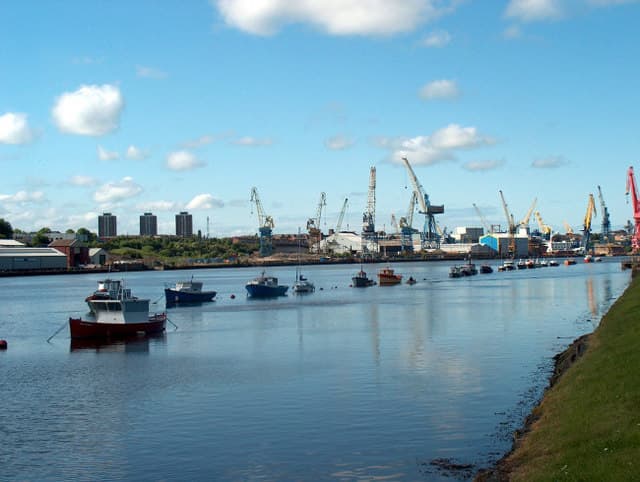
Pest control for homes and businesses in Jarrow, from the town centre and Primrose to Simonside, Bede and the riverside.
The town we work in
Jarrow is a South Tyneside town on the south bank of the River Tyne. Its residential neighbourhoods, town-centre premises and industrial areas call for different inspection approaches; none of these features proves a particular pest is prevalent.
South Tyneside
Local authority
Jarrow is in South Tyneside, whose council provides domestic and commercial pest-control services; charges apply to some services.
River Tyne
Riverside setting
Jarrow stands on the south bank of the Tyne near the River Don. Inspect individual waterside premises for defects and waste issues rather than assuming proximity to water means an infestation.
Bede and Simonside
Employment areas
These are established industrial and employment areas. Businesses should inspect delivery doors, stored goods and waste arrangements according to their operations.
Jarrow town centre
Shops and premises
Food handling, waste storage and gaps around rear service entrances are sensible inspection points for any affected town-centre premises.
Primrose and Brockley Whins
Residential areas
Housing around Jarrow varies in age and form. Check actual signs and potential access routes in each property rather than generalising across a neighbourhood.
NE32
Local postcode district
NE32 covers Jarrow addresses. Provide your full postcode when requesting a visit to confirm the service area.
Local context: South Tyneside Council · South Tyneside planning evidence
PROPERTY RISKS TO UNDERSTAND
Jarrow has residential streets, a town centre and riverside employment land. The situations below are checks relevant to those types of property, not reports of infestations or a ranking of pests in Jarrow.
Where food premises or shops have rear yards, check bin lids, waste spillage and gaps beneath doors. Food and shelter can attract rodents, but a town-centre address alone is not evidence of rats.
In houses and flats, investigate pipe penetrations, damaged air bricks and gaps around external doors if droppings or gnaw marks are found. Identify the species before choosing a treatment. Where rodents have nested in the loft, soiled insulation may need loft insulation removal.
For industrial units and warehouses, inspect loading bays, pallets, storage areas and waste compounds. The focus is preventing entry and detecting actual activity, not assuming industrial estates are infested. Our commercial pest control service covers routine site checks and records.
If a property has recurring rat signs or drainage defects, a CCTV drain survey can establish the route. The River Tyne and River Don are geographical features, not proof of a rodent problem.
During the UK nesting season, wasps can use sheltered eaves, lofts and sheds at Jarrow properties. Watch for repeated flights into a single opening and avoid disturbing a suspected active nest.
Bed bugs, cockroaches or fleas should be identified from evidence such as insects, cast skins or spotting, not from the property type. Prompt identification avoids unnecessary or unsuitable treatment.
Jarrow property checks through the year
Spring
Inspect eaves, sheds and sheltered outbuildings at Jarrow homes for emerging wasp nest activity. Queen wasps establish nests in spring in the UK; this does not establish a Jarrow-specific increase.
Summer
At town-centre food premises and properties with gardens, keep waste secured and assess any wasp activity. UK wasp colonies typically grow through summer; inspect actual signs before acting.
Autumn
Before colder weather, inspect service openings, loading-bay doors and bin areas in homes and businesses. Rats and mice can enter buildings throughout the year, so seasonal checks are preventative.
Winter
Check heated buildings, storerooms and lofts for evidence of rodents or indoor insects. Bed bugs and cockroaches are not limited to winter; identification and inspection matter more than the month.
Explore pest services
These are examples of pests a Jarrow property owner may need help identifying; they are not a measured list of the town’s most common infestations. South Tyneside Council also provides domestic and commercial pest-control services. Council pest-control information
AROUND JARROW
Explore other towns around the Tyne and South Tyneside.
Before you book
Practical guides to recognising rodent entry points, wasp nests and signs of household pests. These articles are general advice, not evidence of Jarrow-specific incidents.
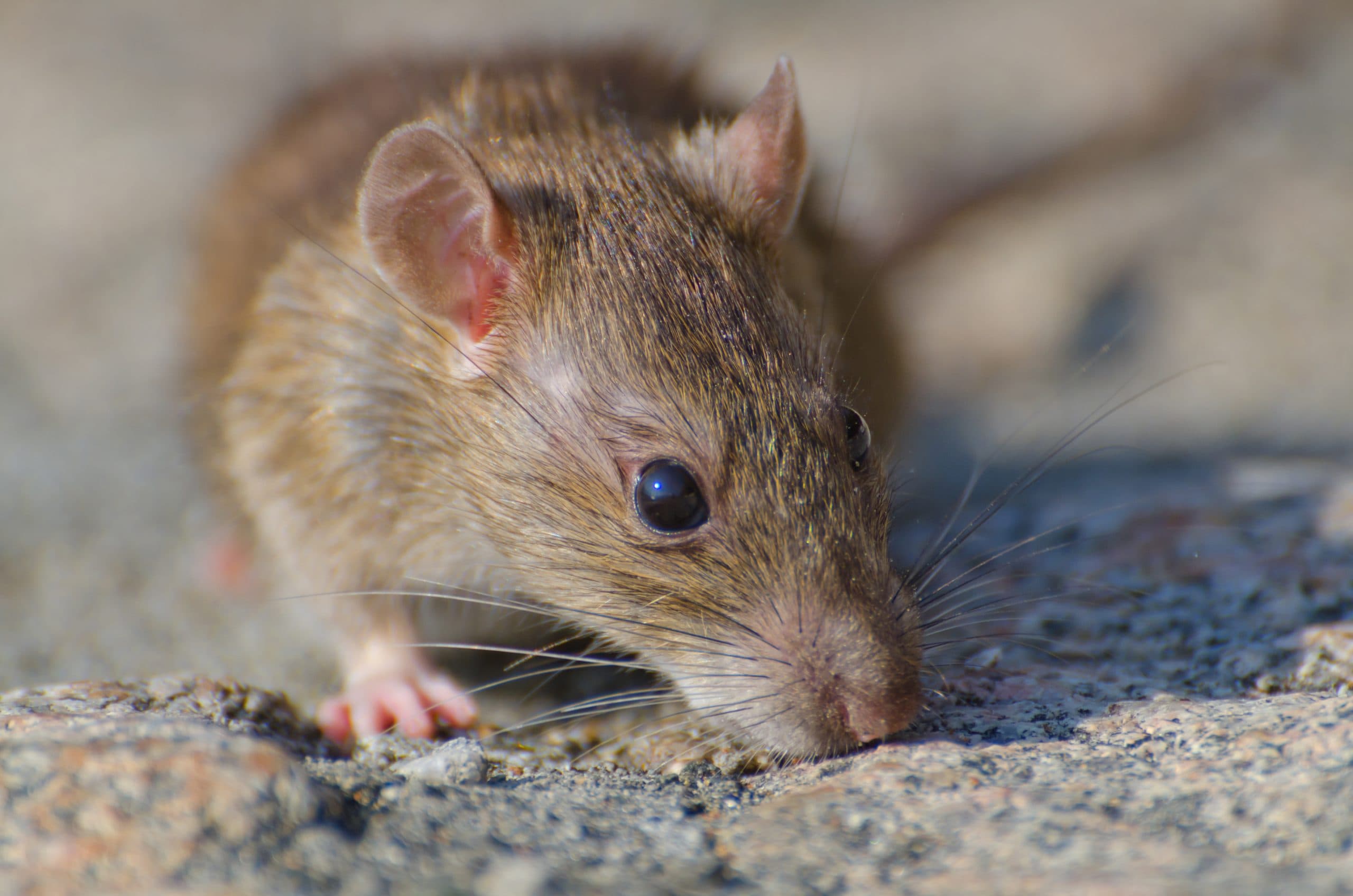
What Causes a Rat Infestation? How Rats Get In and Why They Keep Coming Back
Read article →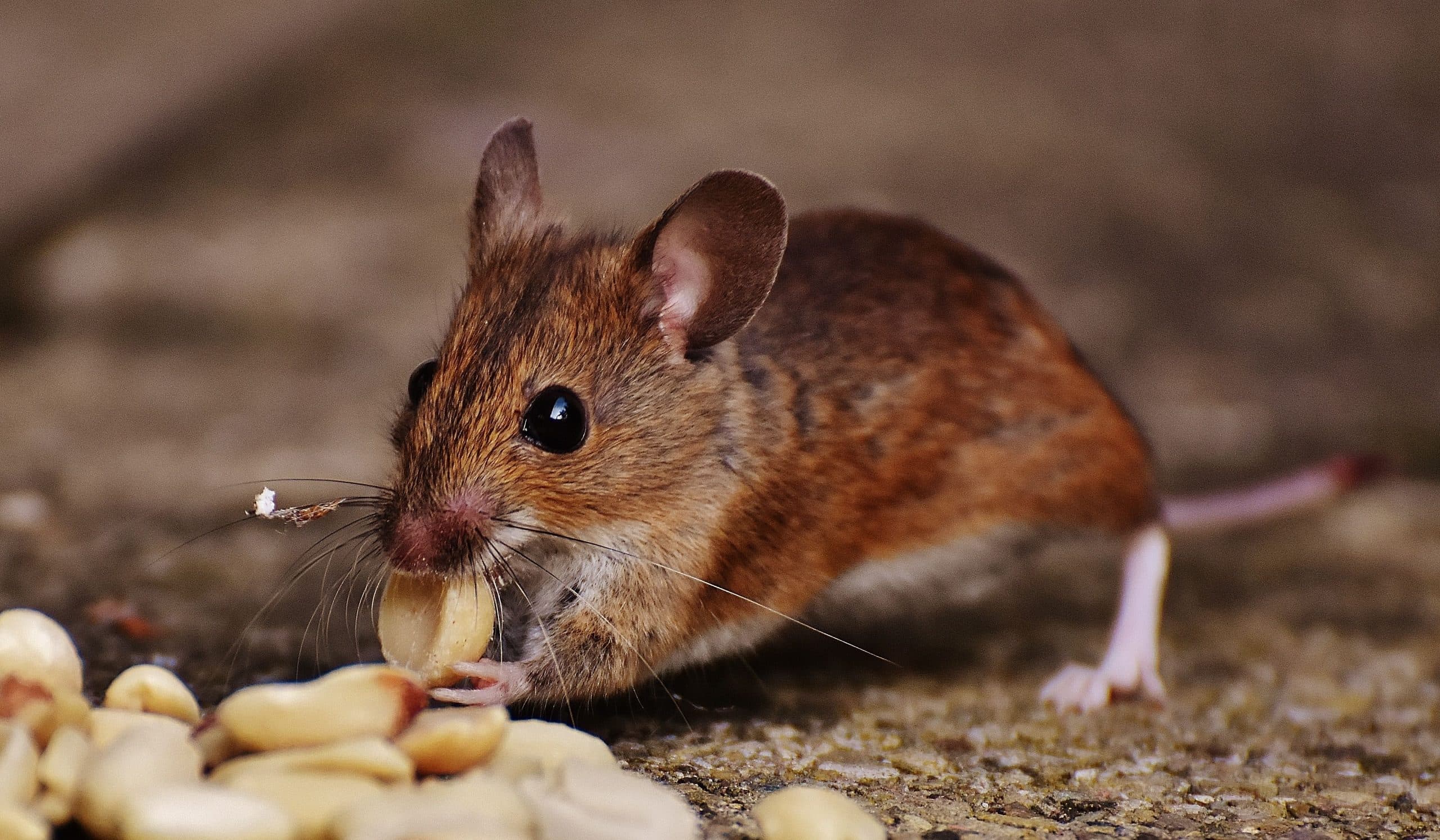
Why Do Mice Come Inside? Entry Points, Attractants and How Infestations Start
Read article →
Squirrels in the Loft or Garden: What the Problem Really Looks Like
Read article →
Wasp Nests in the UK: Types, Locations and Why Early Season Removal Matters
Read article →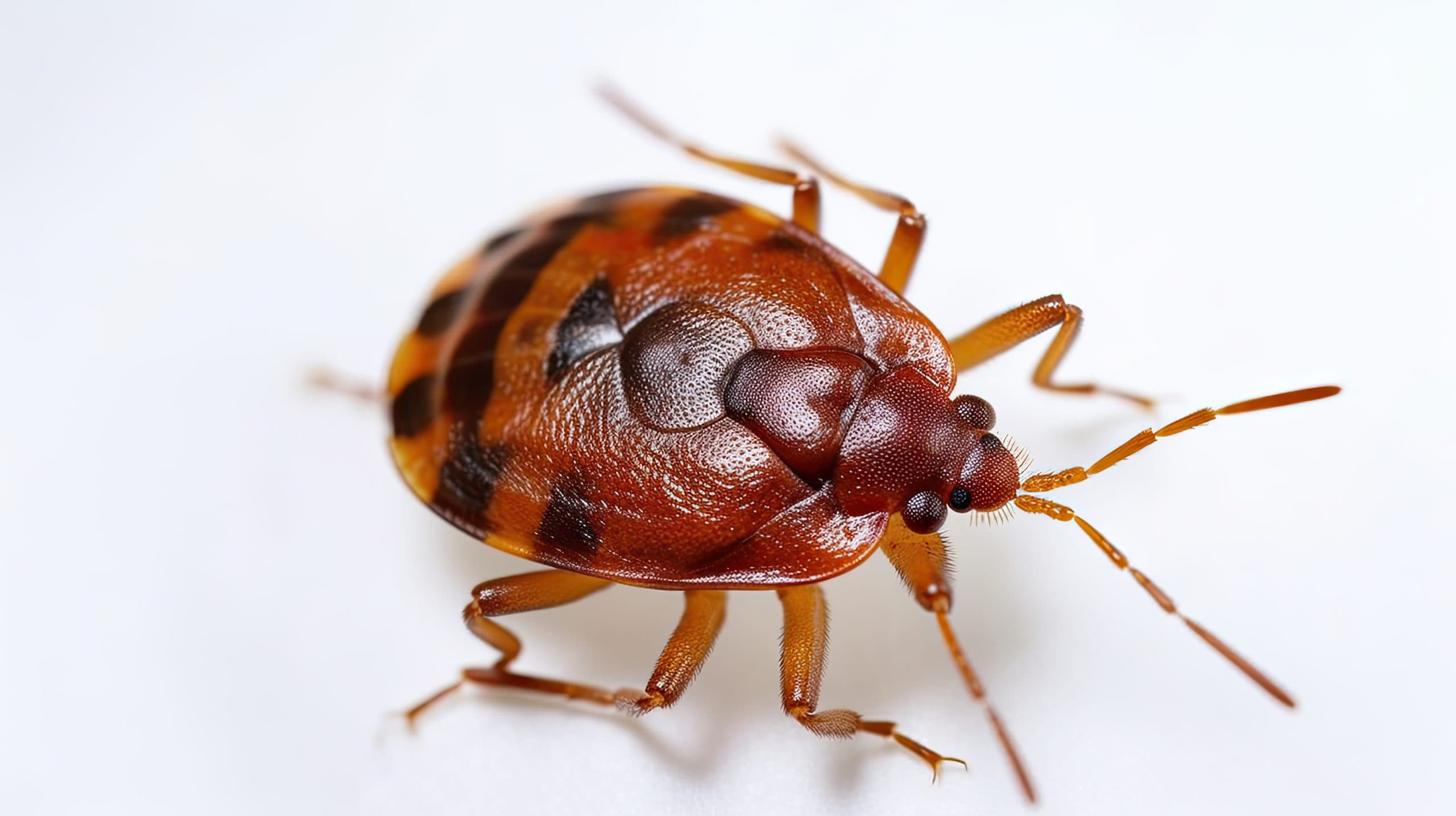
How Do You Get Bed Bugs? The Real Causes Behind an Infestation
Read article →More ways we can help
Explore the other services available from Clear Pest Control.

Our approach to treatment and prevention.

Restoring spaces after contamination.

Finding hidden rat entry routes.

Decontamination for sensitive spaces.

Insulation spoiled by rodents or squirrels.

Clearing difficult properties.
The people behind the work
Questions
For a Jarrow property, provide the full NE32 postcode and details of the problem when requesting an appointment so coverage and availability can be confirmed.
Jarrow is in South Tyneside. South Tyneside Council offers domestic rodent and insect pest-control services and commercial services, with charges applying to some work. Check its current service details.
The Tyne and Don are part of Jarrow’s geography, but riverside location alone does not demonstrate a rat infestation. Investigate droppings, gnawing, burrows or other specific evidence before deciding on treatment.
Check loading-bay seals, service penetrations, stock-storage areas and waste compounds. Any pest response should follow identification of actual signs, rather than assuming all industrial premises face the same issue.
Queen wasps generally begin nest building in spring across the UK and colonies grow through summer. Check sheltered eaves and sheds for repeated flight activity, and do not disturb an active nest.
More questions? Read our full FAQ or browse our pest advice.
Tell us what you have seen at your Jarrow property and share the full postcode. We can discuss the next step.