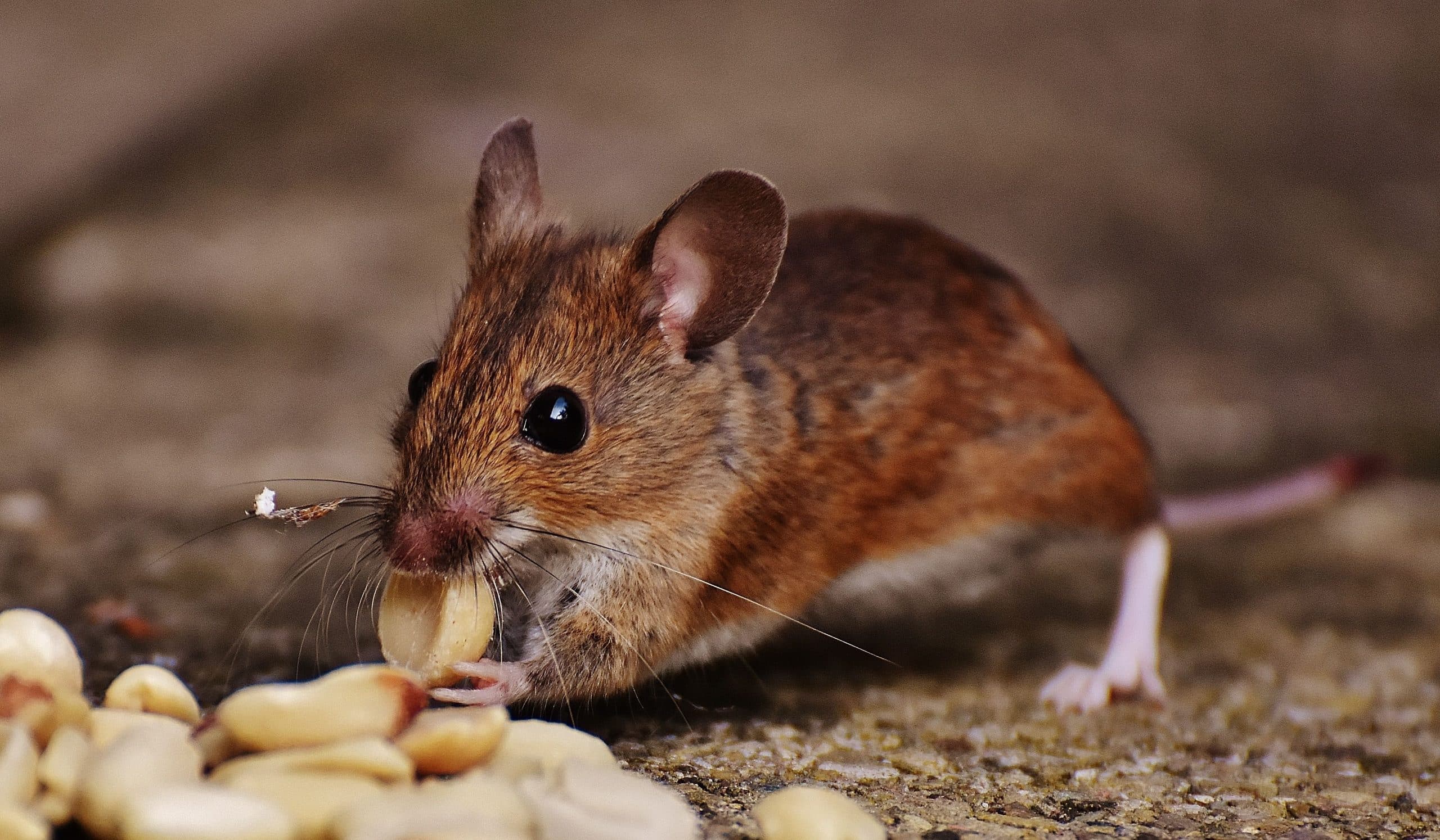
Mice do not need much to make a home worth exploring. A torn cereal packet, pet food under a unit, crumbs behind an appliance or a warm gap near pipework can be enough to start a pattern.
Food gives them a reason to move around, but access is what turns a visit into an indoor problem. Once mice find a small gap, hidden route or sheltered space, they can start using the property before anyone realises the route is active.
This article by Clear Pest Control explains why mice come inside, what attracts them, how they enter houses, why activity can seem to appear overnight, and whether a mice repellent can deal with the actual cause.
Why Do Mice Suddenly Appear?

Mice can seem to appear overnight, but the route into your home may have been available for much longer.
What usually changes is the opportunity. Food may have become easier to reach, building work may have opened a gap, or activity in a neighbouring property may have pushed them through shared walls or service routes. Oxford City Council also notes that mice can occasionally be carried indoors unnoticed in boxes or laundry baskets, particularly when these have been stored in garages, sheds or other affected spaces.
Colder weather can encourage movement indoors, but house mice can live inside buildings throughout the year. A newly accessible loft, warm wall cavity or undisturbed floor void may be more important than the temperature outside.
If activity have appeared suddenly, look at what has recently changed around the property. The sighting may be new, but the food source, shelter or entry point may already have been there.
What Attracts Mice?
Mice come inside when the building offers something they can use. Food is usually the strongest draw, but a protected nesting space can keep them there after the first meal has been found.
Food
House mice favour cereal products, but they are not especially fussy. The BPCA guide to controlling mice explains that they can feed on seeds, pet food, crumbs and many of the same packaged foods people store in kitchens.
Because mice feed in short visits, signs may appear across several cupboards rather than around one obvious source. One packet may have a small hole, another may show light gnawing, and droppings may appear beneath an appliance where the mouse pauses before moving elsewhere.
A cleaned shelf may therefore reduce one reward without removing the wider feeding route. Check behind appliances, beneath kitchen units and around food stored close to the floor.
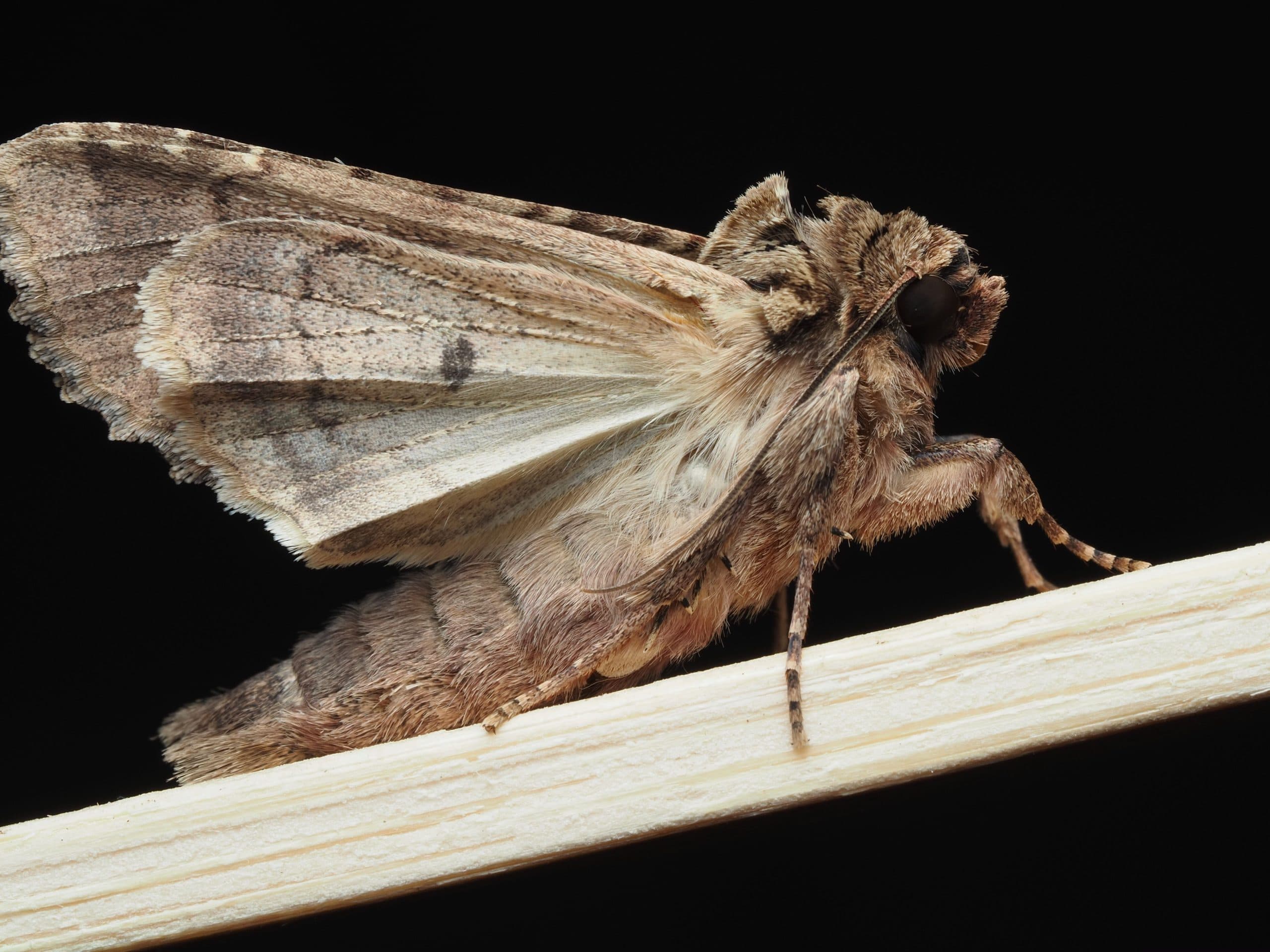
Stored food and cupboards can also attract other household pests, including moths, although their feeding habits and warning signs differ from those of mice.
Shelter
Mice prefer places where they can remain hidden and reach food without crossing large open areas. Wall cavities, floor voids and loft insulation can all provide protected nesting spaces.
Paper, fabric and soft packaging may be shredded for nesting material. Stored boxes also create narrow gaps where small mice can move without being disturbed.
The nest does not have to be in the kitchen. A mouse may feed downstairs, then travel back into a wall or beneath the floor.
Warmth
Warmth can make a void more suitable, particularly around boiler cupboards, service routes and heated walls. It is rarely the only reason mice enter, though.
A warm room without food or access gives them little reason to stay. The problem develops when the warmth comes with a small opening, nesting material and a reliable feeding route.
Water
House mice can obtain much of the moisture they need from food, so a dry-looking room does not rule them out.
Leaks and condensation can still improve the conditions, but they are not as central to most mouse infestations as food and shelter. Activity beneath a sink may be linked more closely with the pipe gap than the water itself.
Follow the Feeding Pattern
Look at where signs repeat. A few crumbs disturbed each night, fresh droppings beneath the same unit and gnawing along a cupboard corner may reveal a regular route.
According to the BPCA guide to controlling mice, a mouse can leave around 80 droppings in a day, but that does not mean dozens of mice are present. One animal moving widely can leave evidence in more than one place.
This is why counting droppings does not give you an accurate population. Their freshness and distribution are more useful. A concentrated area can point towards feeding or shelter, while a scattered line may show the route between them.
Clear Pest Control North East can assess the feeding pattern, likely nesting areas and entry points before recommending the next step.
How Do Mice Get Into Your House?

Mice exploit gaps that can be difficult to notice from standing height.
Newcastle City Council’s guidance on mice states that mice can pass through cracks as small as 5 mm. Oxford City Council gives a similar figure of around 6 mm for gaps near pipework.
Common routes include openings around gas, water and electricity services, poorly fitted doors and damaged vents. A small gap beneath kitchen units can connect the room to a wall or floor void that runs much farther through the building.
Mice may also enter at a higher level. Climbing plants, rough brickwork and connected structures can help them reach roofline weaknesses, although ground-level gaps are usually the best place to begin an inspection.
Not every mouse walks in from outside. Boxes, laundry baskets and stored items can occasionally carry one indoors. Once released, the animal only needs to find a hidden route and enough food to remain.
The opening does not need to look big enough for a mouse. That is exactly why it gets missed.
How to Find Mice Entry Points
Start where the activity is strongest, then work towards the edges of the room.
Fresh droppings beneath a sink should lead you towards pipework. Signs beside a cooker may point to gaps behind fixed units. Scratching in one wall can lead down towards the floor or up towards a service route.
Natural England guidance on house mice recommends checking doors, air bricks and the spaces around water, gas and electrical services. Mice can live beneath floors, behind skirting and inside ceiling or wall voids, so the point where they appear may only be the end of a hidden journey.
Use a torch and inspect low-level edges carefully. Look for gaps, fresh gnawing, droppings and material caught around an opening. Greasy marks can sometimes form where mice repeatedly brush against the same edge.
Do not assume the nearest hole is the outdoor entrance. It may simply connect the kitchen to an internal cavity.
Clear Pest Control pest advice starts with the route: where rodents feed, where the signs disappear and what opening connects those areas.
Mice Inside Walls and Floors
Wall cavities provide a protected route between rooms. They can move beside pipework, pass through gaps behind skirting and emerge wherever food is easiest to reach.
If you want to know how to get mice out of walls, the first step is not to seal every visible hole. You need to establish how they entered the cavity, where they are leaving it to feed and whether a nest is already inside.
Closing an active internal route too early can move the problem elsewhere or trap mice inside the structure. Likewise, removing food without closing the external gap leaves the building available when another source is found.
You need to deal with the mice and the route in the right order.
How an Infestation Starts

The BPCA gives a house-mouse gestation period of around 21 days, with five to seven pups in an average litter. A female may produce between five and ten litters in a year when the conditions remain suitable.
That breeding potential explains why early activity should not be dismissed as one harmless visitor. A hidden adult may already have access to a nesting space, while new mice remain out of sight until they begin exploring.
How many mice are in a nest? There is no fixed answer. One litter may contain five to seven young, but the same void can later support adults, older pups or more than one nesting group.
Droppings do not provide a reliable headcount either. One active mouse can create many signs, while a quiet nest may remain hidden behind a wall.
The number you see is rarely the number using the building. For more on the evidence mice leave behind, read our guide, Mice in the House: Signs, Health Risks and Why They’re Harder to Remove Than You Think.
Are Small Mice Always Babies?
Small mice are not automatically young mice. An adult house mouse is naturally small enough to pass through a pencil-width gap.
For a broader look at identification, warning signs and behaviour, see our guide to signs and behaviour of mice in the house.
A young mouse may appear paler or less developed, but size alone is difficult to judge when the animal moves quickly or is only seen at night.
The location and behaviour are more useful. Several small mice appearing together can suggest that a litter has begun leaving the nest. One small mouse following a repeated kitchen route may simply be an adult house mouse.
If the animal appears larger or the signs are more substantial, it is also worth checking whether rats could be responsible before deciding how to deal with the problem.
Avoid assuming that a tiny animal means the infestation has only just started. An adult female could already be breeding elsewhere in the property.
Do Mice Repellents Work?
A repellent may sound like the easiest answer because it avoids finding the nest or dealing with the entry point. The problem is that mice are highly adaptable and often have strong reasons to tolerate discomfort when food and shelter remain available.
A mice deterrent may alter where an animal moves for a while. It does not close the gap, remove nesting material or deal with mice already inside the structure.
Do Mice Repellent Sounds Work?
Ultrasonic devices produce high-frequency sound intended to make an area uncomfortable for rodents.
In a Greaves and Rowe study on ultrasound and rodents, wild rats and house mice showed an initial response to pulsed ultrasound, but the effect weakened as exposure continued.
A mice repellent sound may change a route temporarily. If food remains accessible, mice may become accustomed to the sound or use a part of the property the device does not reach.
Natural Repellents
Peppermint and other strong smells are often promoted as a natural mice repellent.
There is little strong evidence that household scents can remove an established infestation. At most, a smell may make one small area less attractive for a limited time.
It cannot stop a mouse inside a wall from using another opening, and the scent will weaken. Relying on it can give the infestation more time to settle.
What Is the Best Mice Repellent?
There is no single best mice repellent for every property.
The most dependable deterrent is to make the building harder to enter and less rewarding once mice begin exploring. That means identifying the route, controlling accessible food and proofing openings after active mice have been dealt with.
A repellent may influence behaviour. It does not remove the cause.
Can You Correct the Cause Yourself?

You can begin by checking food, storage and accessible building gaps. Keep the work focused on areas you can inspect safely.
Use this checklist to map the problem:
- Check cereal, pet food and other dry goods stored near floor level.
- Look behind appliances and beneath kitchen units for fresh droppings.
- Inspect gaps around pipes, cables and external doors.
- Check air bricks and vents for damage.
- Look for shredded paper, fabric or packaging near hidden spaces.
- Note where scratching is heard and where the nearest food source sits.
- Check boxes recently brought in from garages, sheds or storage.
- Watch whether signs continue after food is secured.
- Avoid sealing an opening while mice may still be active inside the wall.
Professional investigation becomes more useful when signs appear in several rooms, mice are active inside inaccessible walls or the entry point crosses between connected properties.
Find out more about Clear Pest Control, our experience and how we support homes and businesses with pest problems across the North East.
Mice in Newcastle upon Tyne and Sunderland
Mice do not behave differently because the postcode changes. Across the North East, the causes usually come back to food, hidden shelter and gaps around the building.
Mice in Newcastle upon Tyne may be found beneath floors, in lofts or close to stored food. Newcastle City Council identifies these as common nesting and feeding areas and confirms that small cracks can provide access.
A Sunderland mouse problem may also involve an adjoining property. Sunderland City Council advises that rodents can move from a nearby home and provides a reporting route where another property may be contributing to the problem.
The town is not the cause. The access and conditions around the building are.
When the Entry Route Needs Professional Help
Professional help makes sense when the mice keep returning, the nest seems to be inside a wall or several rooms are affected.
It is also worth arranging an inspection when the activity may cross between flats, terraces or adjoining properties. Treating one feeding point will not resolve an entry route that continues through the wider building.
Contact Clear Pest Control if you cannot find where the mice are getting in or signs continue after food has been secured. Send clear photographs of droppings, damaged packaging and any gaps you have found.
FAQs
Does One Mouse Mean There Are More?
Not always, but one indoor sighting confirms that a route is available. The mouse may also have access to a nest or other animals hidden nearby.
Repeated droppings, scratching or sightings in more than one area make a wider infestation more likely.
Why Do Mice Keep Coming Back After Cleaning?
Cleaning removes food and signs, but it does not close the entrance. Mice can return if a gap remains open or another food source is available elsewhere.
Check beneath appliances, inside low cupboards and around pet food before assuming the attraction has gone.
Should You Seal a Mouse Hole Straight Away?
Not when mice may already be active inside the wall or floor void. Sealing one opening too early can push them towards another route or trap them inside.
Identify where the route leads and deal with active mice before final proofing.
What Attracts Mice?
Accessible food, protected nesting space and a small entry point are the main causes. Warmth can improve the conditions, but it rarely causes an infestation by itself.
Cereal products, pet food and crumbs are common feeding sources.
What Do Mice Eat?
House mice favour cereals and seeds but will eat many foods found in homes. They often feed in small amounts from several places during the night.
How Do Mice Get Into Your House?
They enter through gaps around pipes, doors, vents and utility services. Small mice can pass through openings of around 5 mm.
They may also occasionally be carried inside in boxes, laundry or stored belongings.
How Do You Find Mice Entry Points?
Follow the signs towards walls and room edges. Check around pipes, doors, air bricks, kitchen units and the points where cables enter the building.
The opening where mice enter the room may not be the exterior entrance.
How Do You Get Mice Out of Walls?
The entry and feeding routes need to be identified before openings are sealed. Active mice must be dealt with, then the building can be proofed to prevent further access.
Avoid sealing mice inside a cavity or applying random products into inaccessible spaces.
How Many Mice Are in a Nest?
An average litter contains around five to seven pups, but there is no fixed number in a nest. Adults, older young and more than one litter may use the same area.
Why Do Mice Come Into the House?
They come inside when the building offers food, warmth, shelter or a reliable route. Cold weather can increase movement indoors, but house mice can occupy buildings all year.
Why Do I Have Mice in My House All of a Sudden?
A new food source, damaged gap, disturbed shelter or activity in a neighbouring property may have changed the pattern.
The mice may also have been present in a hidden part of the structure before the first sighting.
Do Ultrasonic Mice Repellents Work?
They may affect mouse behaviour temporarily, but results vary and mice can become accustomed to the sound.
An ultrasonic device does not close entry points, remove a nest or take away food, so it should not be treated as a complete solution.